ADC12 vs A380: Which Alloy Should You Specify?
Choosing an alloy for a new aluminum 压铸 brings up the ADC12 vs A380 question on almost every project. These two grades look nearly identical on paper. Both are Al-Si-Cu die casting alloys. Both fill thin walls, hold tight tolerances, and machine without drama. On many production lines you can run either one and never notice the swap. The choice only matters when you weigh silicon content, copper level, regional supply, and the corrosion or strength your part really needs. Pick by habit and you may overpay for properties you never use. Pick by data and you usually save money. This guide compares chemistry, mechanical properties, castability, machining, and cost so you specify the right grade the first time.
关键要点
- ADC12 vs A380 is a close contest: both are Al-Si-Cu die casting alloys with similar strength.
- ADC12 holds more silicon, near 11 percent, which improves fluidity and thin-wall fill.
- A380 carries more copper, usually 3 to 4 percent, which adds hardness and strength.
- ADC12 is the standard grade across Asia, while A380 leads in North America and Europe.
- For most housings either grade works. Decide by corrosion, machining, and price, not habit.
ADC12 vs A380: What Actually Separates Them
ADC12 comes from the Japanese JIS standard. A380 comes from the ASTM and Aluminum Association family. Both sit in the same Al-Si-Cu group, so designers treat them as cousins. The real gap is the balance of silicon and copper. ADC12 runs about 10.5 to 12 percent silicon. A380 runs about 7.5 to 9.5 percent. That single number changes how the metal flows inside the die.
Silicon lowers the melting point and raises fluidity. More silicon lets the alloy fill thin sections and long flow paths with less risk of cold shuts. It also adds wear resistance. The trade-off is ductility and tool life. Hard silicon particles wear machining inserts faster, and very high silicon makes the casting a touch more brittle.
Copper works the other way. It lifts strength and hardness and sharpens the machining response. A380 uses more copper than ADC12, so it often measures a little stronger and harder. The cost is corrosion. Copper lowers resistance to salt and moisture, which matters for outdoor and marine parts.
Iron and zinc play smaller roles, but they still matter. Both grades cap iron to limit die soldering and sludge. Zinc stays low in each spec. The two alloys also share a similar melting range near 580 to 600 degrees Celsius. That overlap is why a shop can swap between them without rebuilding the furnace curve.
Thermal conductivity is another near tie. Both grades conduct heat at roughly 92 to 96 watts per meter-kelvin. That helps LED housings and motor covers shed heat. If you need much higher conductivity, look at a low-silicon grade instead of debating these two.
Mechanical Properties Side by Side
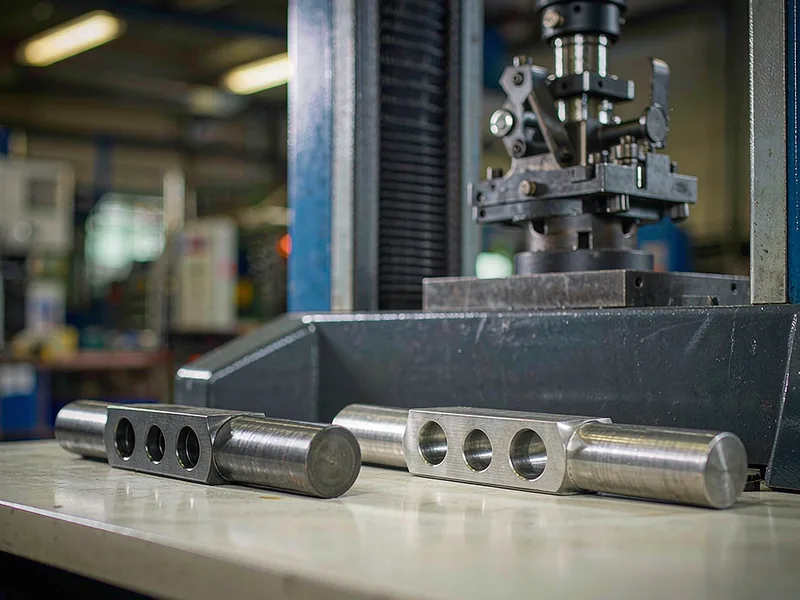
The table below lists typical values for die cast test bars. Real castings shift with section size, gate design, and process control. Treat these numbers as a fair comparison, not a guarantee for your part.
| Property | ADC12 | A380 |
|---|---|---|
| Silicon content | 10.5–12.0% | 7.5–9.5% |
| Copper content | 1.5–3.5% | 3.0–4.0% |
| 抗拉强度 | ~310 MPa | ~324 MPa |
| Yield strength | ~150 MPa | ~160 MPa |
| Elongation | ~2.5–3.0% | ~3.0–3.5% |
| Hardness | ~74 HB | ~80 HB |
| Machinability | Good | Very good |
Read the table as a range, not a verdict. The gaps are small enough that die design and gate placement move the needle more than the alloy stamp. A part with good flow paths in ADC12 will beat a poorly gated A380 part every time.
Fatigue life deserves a word here. Both alloys show similar fatigue strength in the as-cast condition, near 130 to 150 MPa at ten million cycles. Porosity, not chemistry, drives the spread. When you see early fatigue cracks, look at gas content and solidification before you blame the grade.
Castability, Machining, and Corrosion
Castability favors ADC12. The extra silicon keeps the melt moving and helps thin walls fill before they freeze. If your part has long flow paths or walls under 1.5 mm, ADC12 gives the die more room for error. That is why Asian foundries reach for it first.
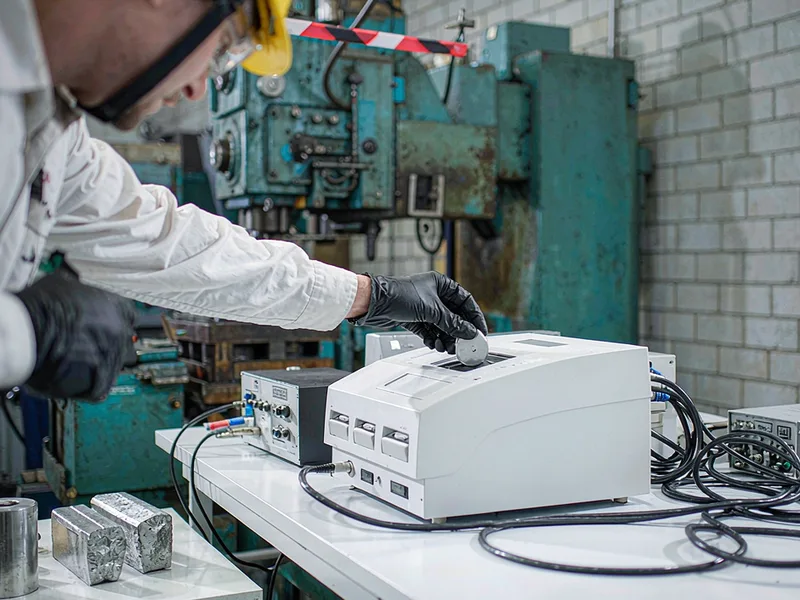
Machining favors A380. Its higher copper content breaks chips cleanly and leaves a better finish. Shops that drill, tap, and mill thousands of parts notice the difference in insert life and cycle time. ADC12 machines well too, just with a little more tool wear.
Corrosion is the tie-breaker for exposed parts. Both grades carry copper, so neither is a marine alloy. A380 carries more, so it loses the edge outdoors. For brackets, covers, and housings that see rain or wash-down, ADC12 holds up slightly better. For dry indoor parts, corrosion rarely decides the call.
Surface finish behaves in a similar way. Both alloys take as-cast texture well and polish to a fine finish. A380 defends a bright finish a little longer because of its hardness. ADC12 holds a matte or textured surface without trouble. Pick based on the look your customer wants, not the alloy label.
Cost, Supply, and the Practical Decision
Price follows the market you buy in. ADC12 is quoted daily across Asia and tracks the regional ingot price. A380 is the workhorse grade in North America and Europe. If your factory sits in one region and your supplier runs the other grade, switching costs money and time. Buy the grade your supply base already pours.
Weight the three factors that actually change your part: flow length, corrosion exposure, and machining volume. Long flow paths point to ADC12. Heavy machining and dry service point to A380. When both grades clear the spec, pick the cheaper one on your next quote. That is the honest answer to the ADC12 vs A380 question.
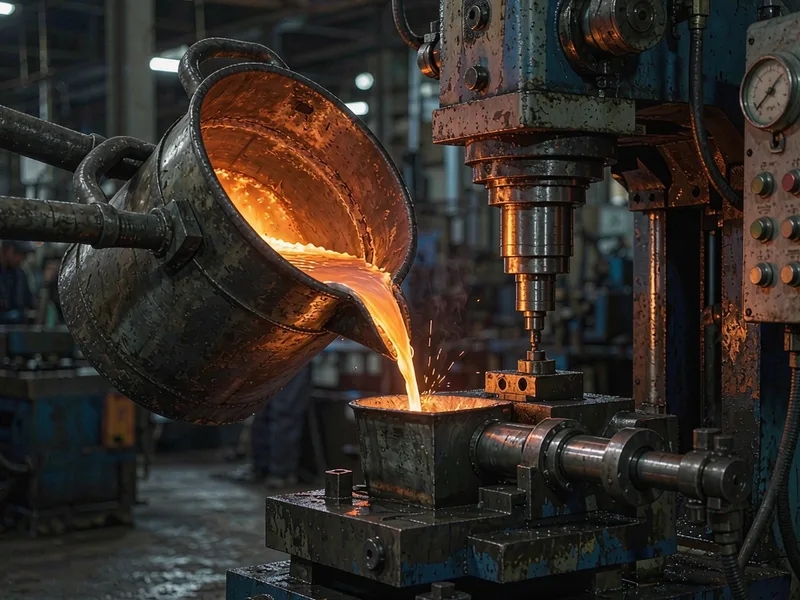
One more point on switching. Never change grade mid-program without re-running first article. Chemistry drives shrink, porosity, and fill, so a quiet swap can move dimensions. Keep the alloy locked once tooling is cut.
Scrap and yield complete the cost picture. A grade that fills reliably lowers scrap, and scrap is pure loss. If ADC12 cuts your cold-shut rate on a thin part, its small price premium can pay for itself. Run the numbers on scrap before you chase the cheaper ingot.
外部链接
- North American Die Casting Association (NADCA) — publishes alloy selection guides and design standards for A380 and related die casting grades.
- ASTM B85 — the standard specification for aluminum-alloy die castings, listing A380 chemistry and properties.
- ASM International — materials reference source for comparing aluminum casting alloys such as ADC12 and A380.
常见问题解答
Is ADC12 the same as A380?
They are close but not identical. ADC12 is the JIS grade with more silicon. A380 is the ASTM grade with more copper. Both are Al-Si-Cu die casting alloys, so many parts run on either one.
Which is stronger, ADC12 vs A380?
A380 is usually a little stronger and harder because of its higher copper. The difference is small, often under 10 percent on tensile strength. Die design affects performance more than the gap between them.
Can I switch from ADC12 to A380 without new tooling?
Yes, in most cases the die stays the same. But you must re-check fill, shrink, and first article. Copper and silicon change solidification, so dimensions can drift after the swap.
Which alloy resists corrosion better?
ADC12 resists corrosion slightly better because it carries less copper. Neither grade suits marine service. For wet or salty environments, step up to a low-copper alloy such as A360.
Does ADC12 machine better than A380?
No. A380 machines better on average. Its higher copper content gives cleaner chips and longer insert life. ADC12 costs a little more in tool wear during high-volume machining.