HKXCAST一站式铝合金产品解决方案提供商邮箱:hkxcast@163.com
 11/07/2026
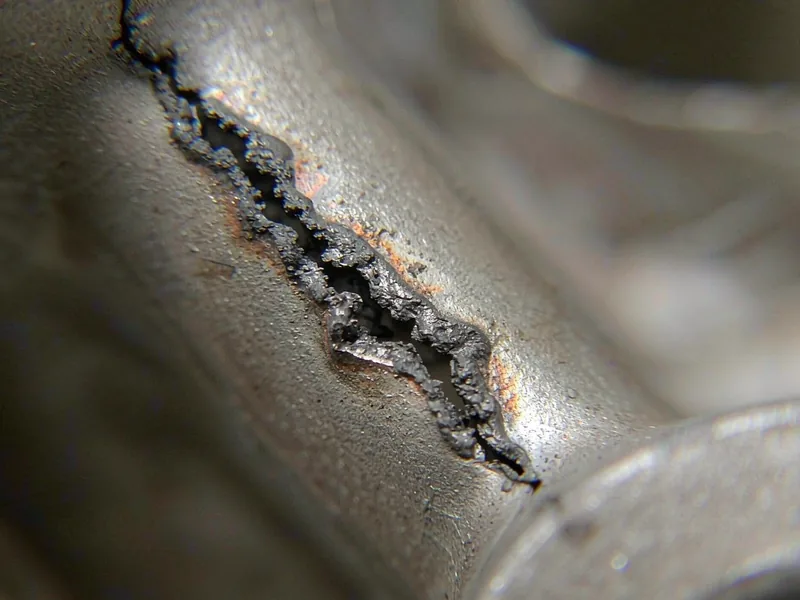
How hot tearing die casting defects start at hot spots, how to tell them from cold and quench cracks, and the accept, repair or reject rules.
 11/07/2026
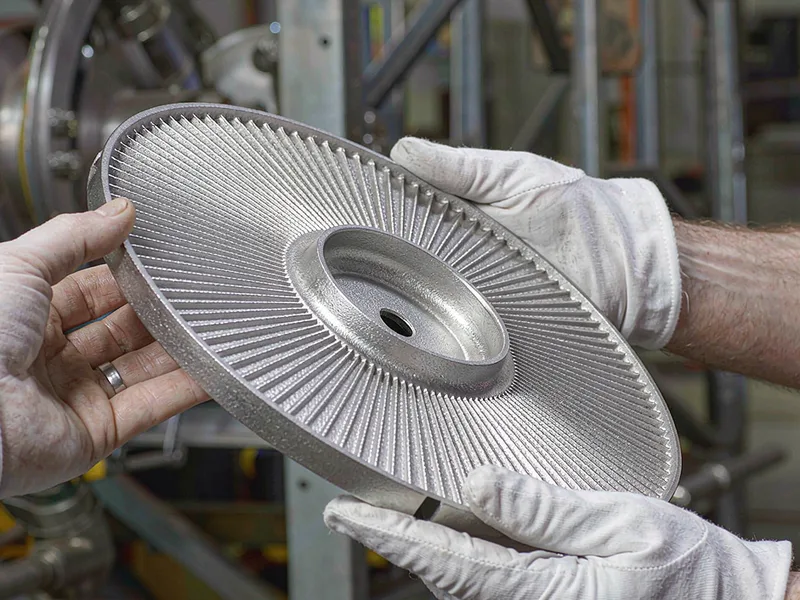
A413 aluminum alloy delivers pressure-tight thin-wall castings with near-eutectic silicon. See its properties, design rules, and where it beats A380.
 11/06/2026
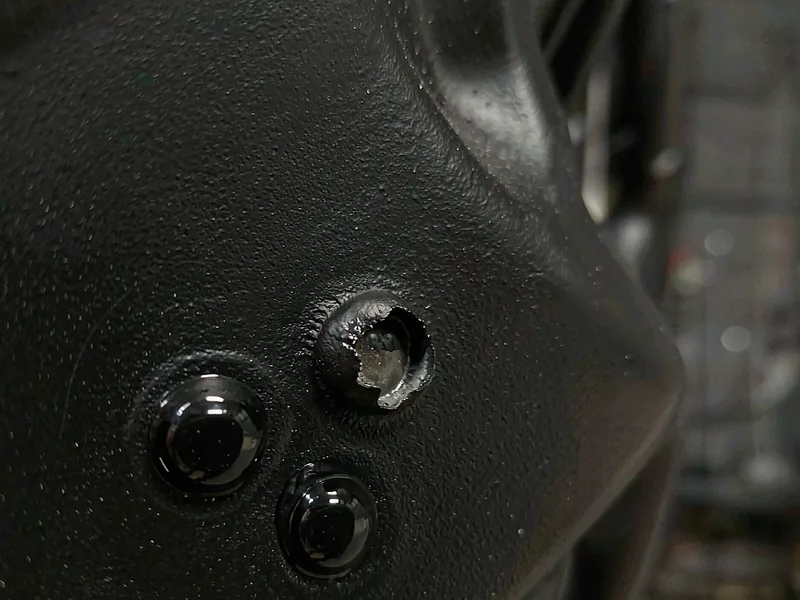
Why a die casting blister defect appears after heat treatment or coating, which gas sources cause it, and how to set accept-or-reject limits.
 11/06/2026
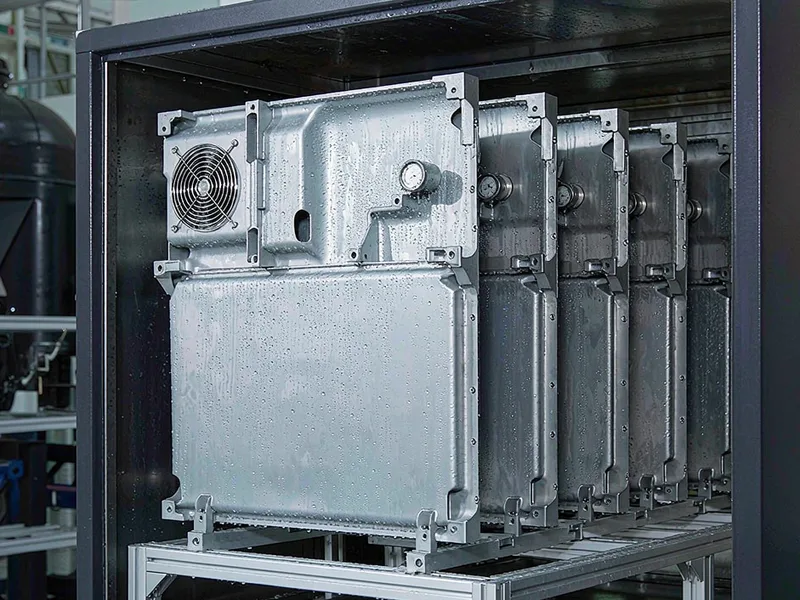
A360 aluminum alloy beats A380 on corrosion resistance with low copper. Learn its properties, trade-offs, and the parts that should specify it.
 11/05/2026
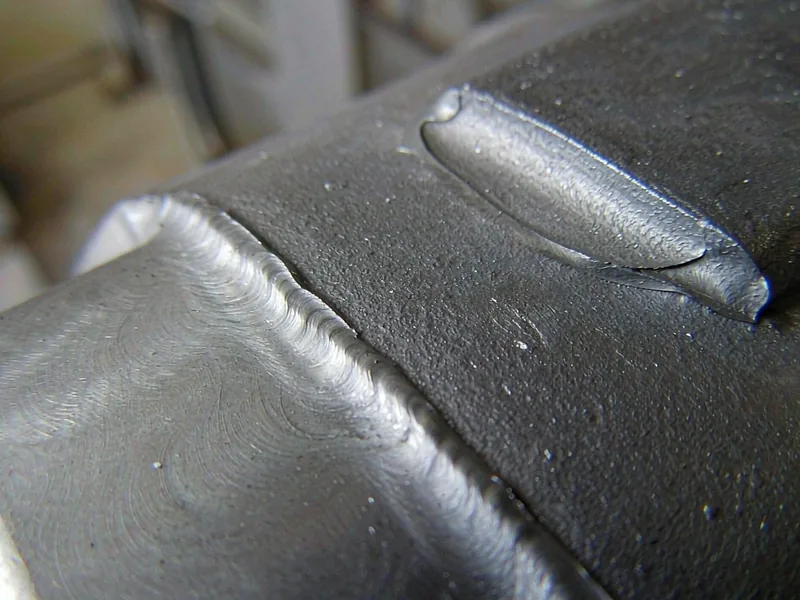
Why cold shut die casting defects form at the last-to-fill zone, how to tell them from flow lines, and the accept-or-reject rules buyers should apply.
 11/05/2026
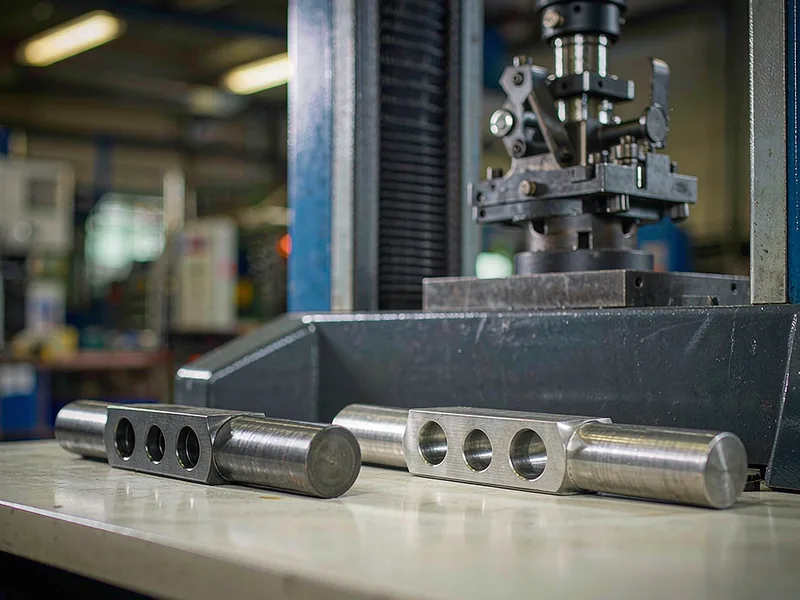
ADC12 vs A380 compared for aluminum die casting: chemistry, strength, castability, machining, cost, and how to pick the right grade for your part.
 11/04/2026
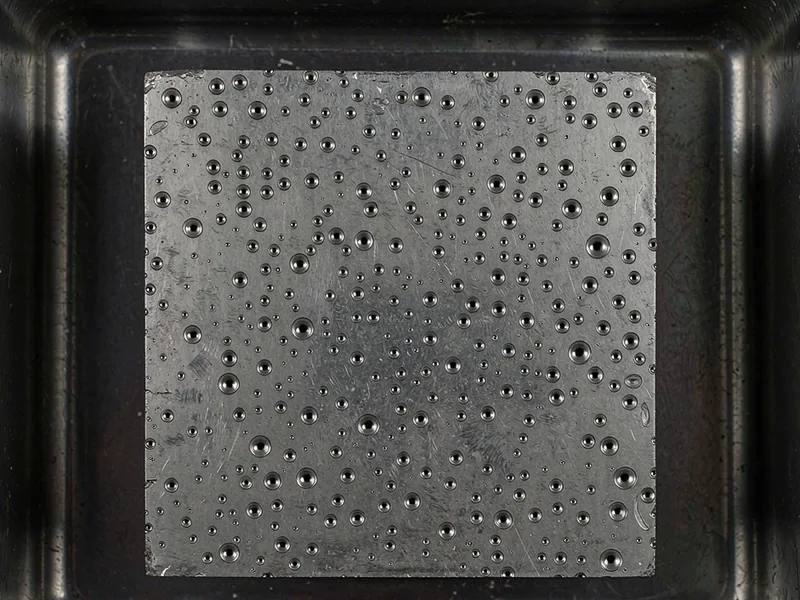
Tell gas and shrinkage porosity apart by shape, location and radiograph, then set an ASTM E505 acceptance level your foundry can hold.
 11/04/2026
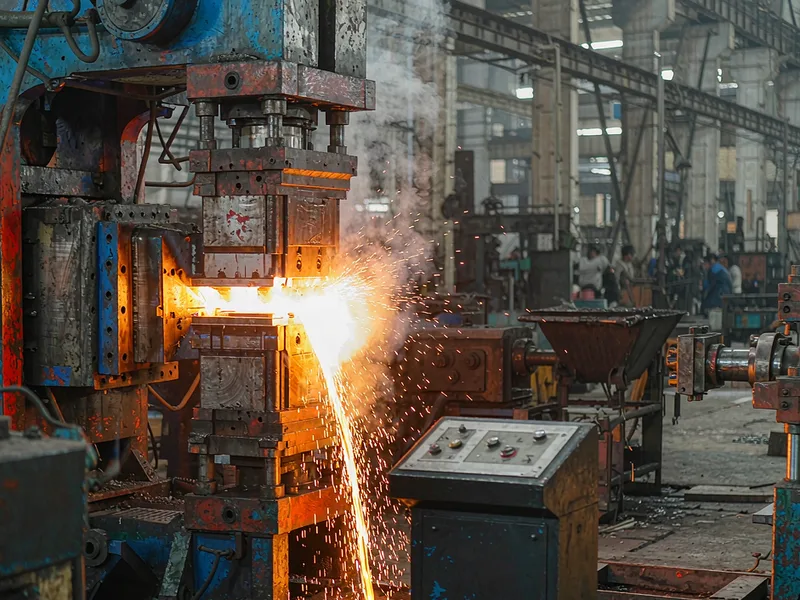
A380 aluminum alloy explained: composition, strength, and properties, plus how it compares to ADC12 and A383 for high pressure die casting.
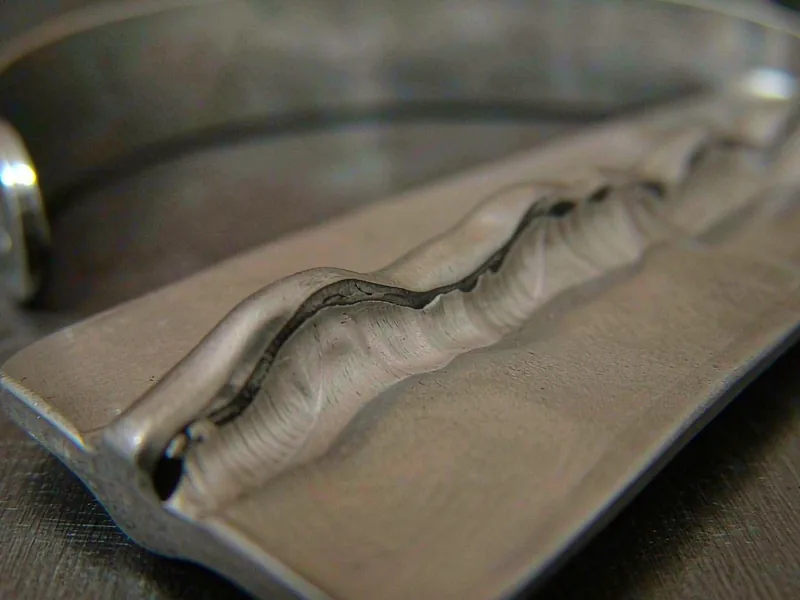 11/03/2026
Identify die casting defects by location and appearance, trace each to its cause, and decide whether to accept, rework or reject the lot.
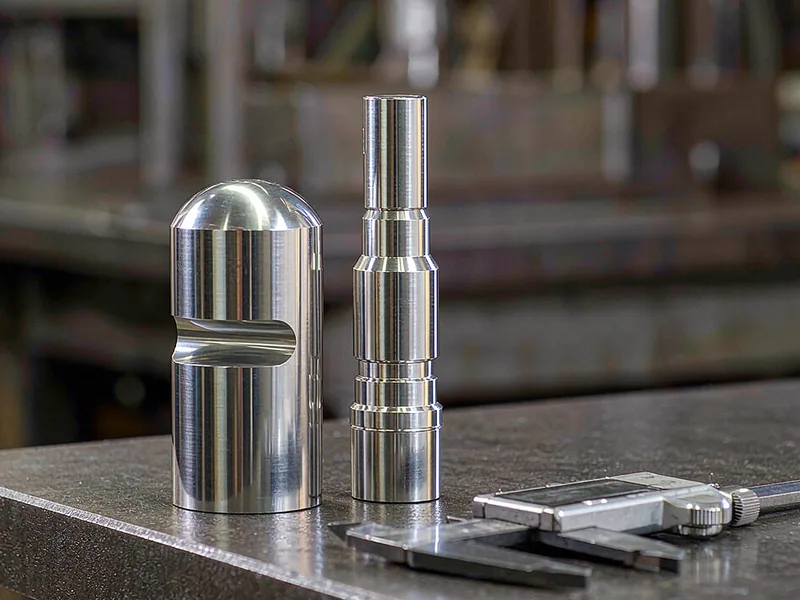 11/03/2026
7075 vs 6061 aluminum compared on strength, cost, machining, and castability, with a T6 property table and selection rules for real projects.
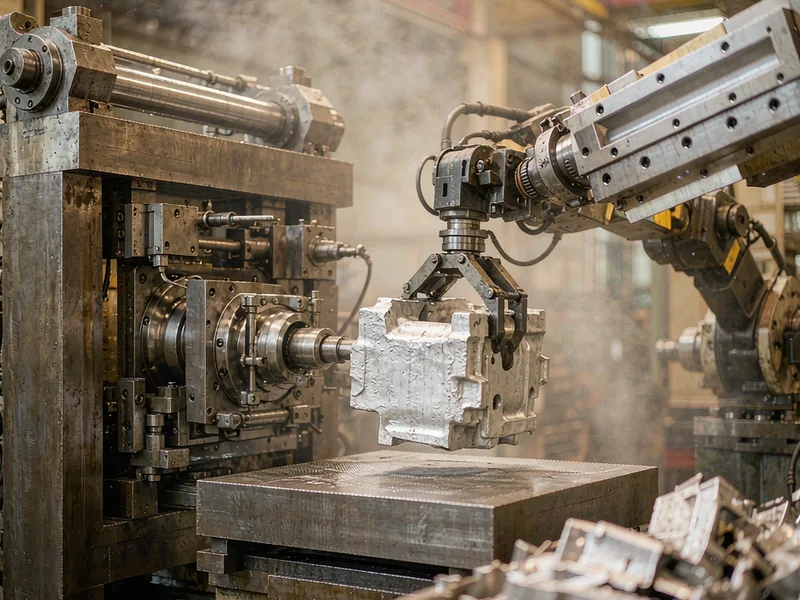 11/02/2026
A phase-by-phase die casting cycle time breakdown for aluminum HPDC: dwell, spray, injection and handling, plus how to audit a quoted cycle.
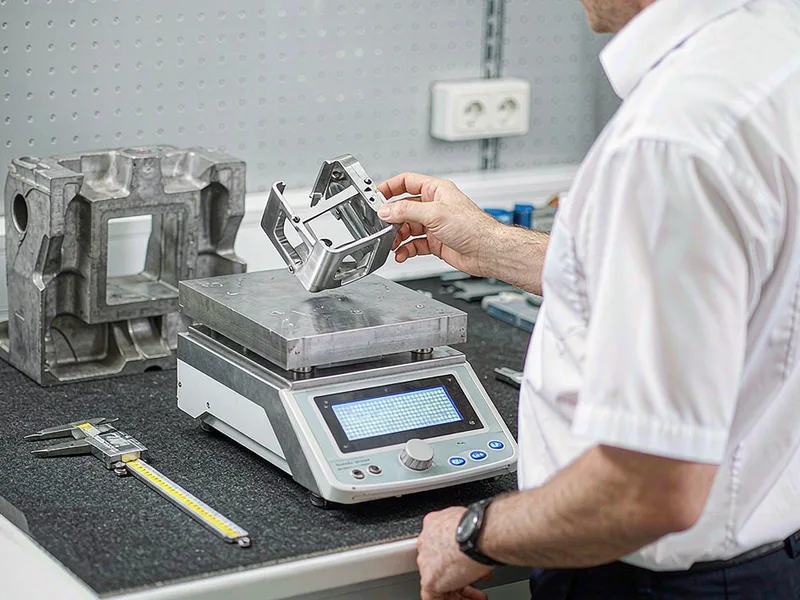 11/02/2026
Density of metals in g/cm3: tables for aluminum, zinc, magnesium, copper, and steel, plus how density drives casting weight and cost.