HKXCAST一站式铝合金产品解决方案提供商邮箱:hkxcast@163.com
 11/01/2026
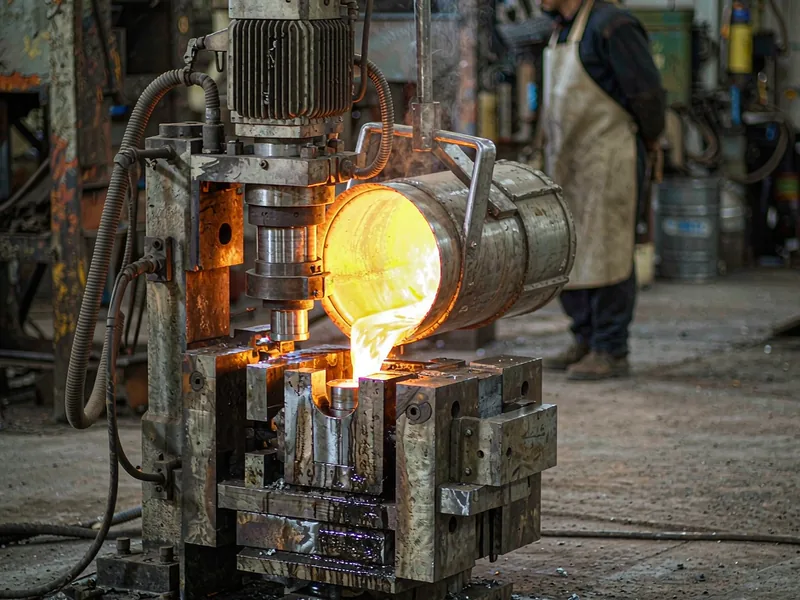
How squeeze casting works, what 50-150 MPa does to porosity and elongation, and which structural aluminum parts belong on this route.
 11/01/2026
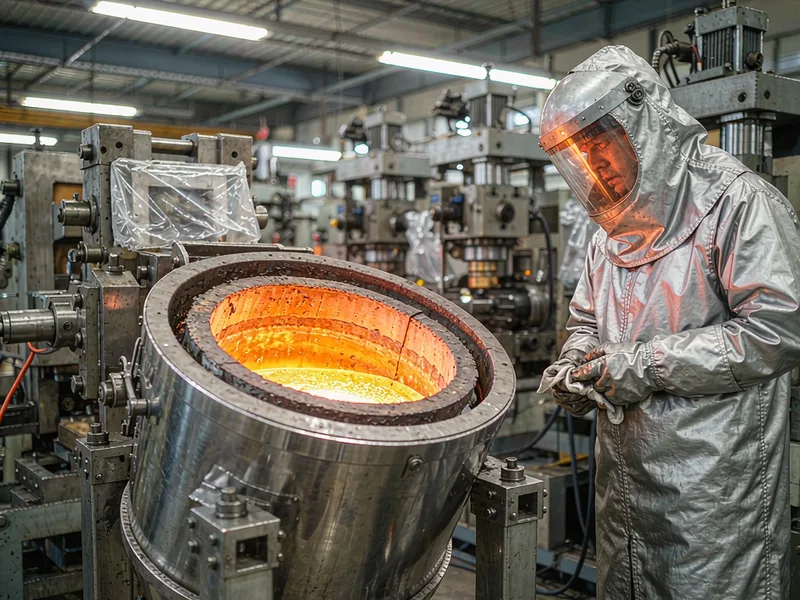
Melting point of metals explained for casting: solidus and liquidus charts for aluminum, zinc, magnesium, copper, and iron alloys.
 10/31/2026
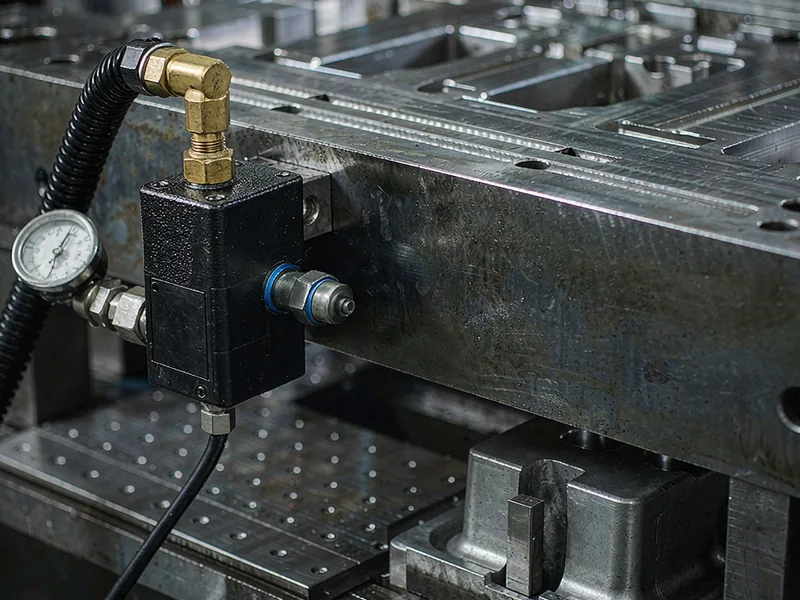
How vacuum die casting cuts gas porosity in structural aluminum parts, from cavity pressure and valve timing to X-ray acceptance and T6 treatment.
 10/31/2026
Does aluminum rust? No. Learn how cast aluminum alloys corrode instead: oxide protection, pitting, galvanic risks, and coatings that keep parts safe.
 10/30/2026
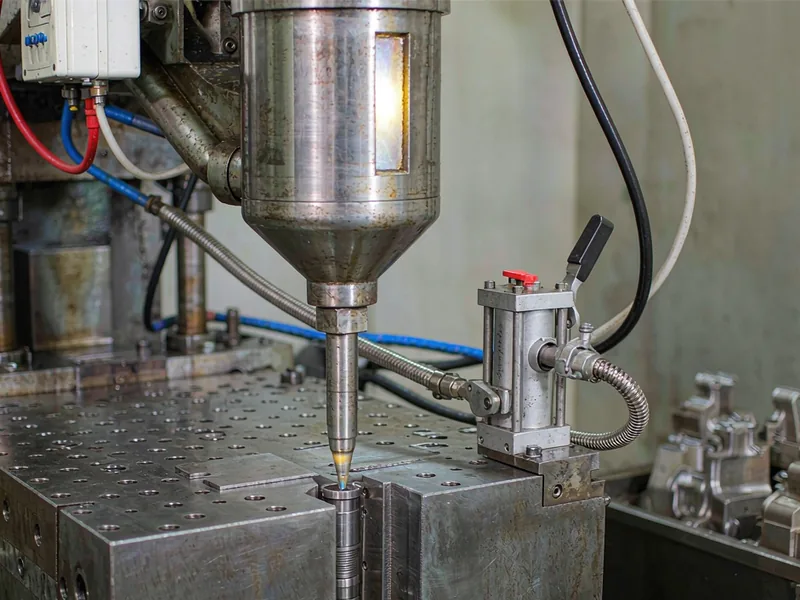
Compare cold chamber vs hot chamber die casting machines on alloy, cycle time, die life and porosity, and see which route fits your part and volume.
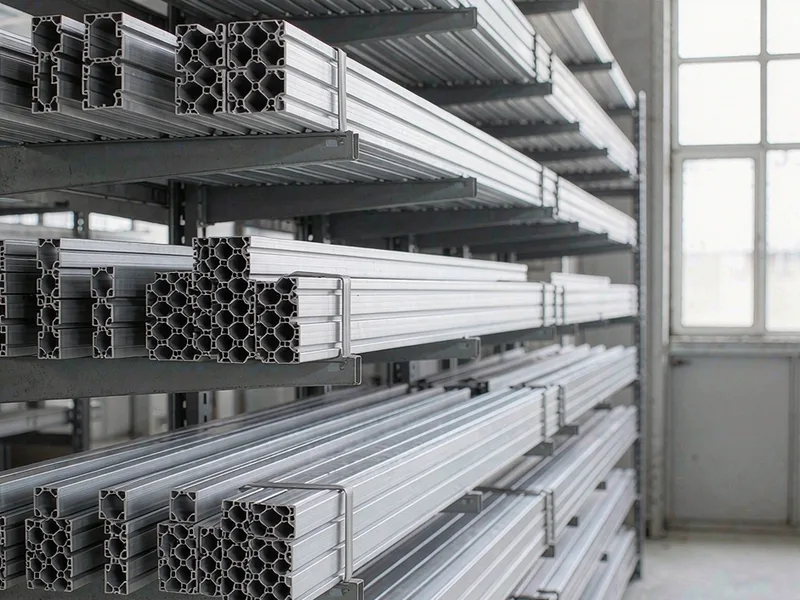 10/30/2026
Chinese aluminum alloy grades explained: the GB naming system, four-digit wrought codes, ZL and YZ casting codes, and their AA, EN, and JIS matches.
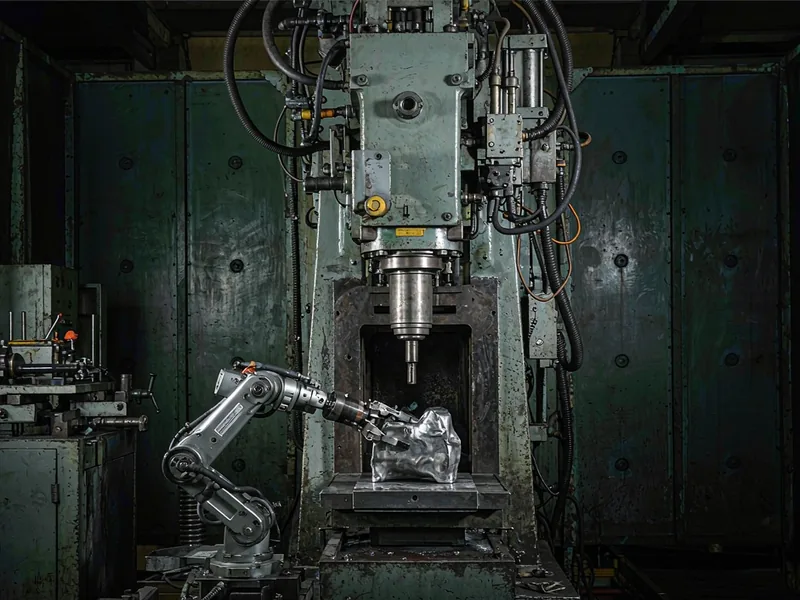 10/29/2026
Compare HPDC, LPDC and gravity casting on wall thickness, tolerance, volume and pressure tightness, and learn which aluminum process fits your part.
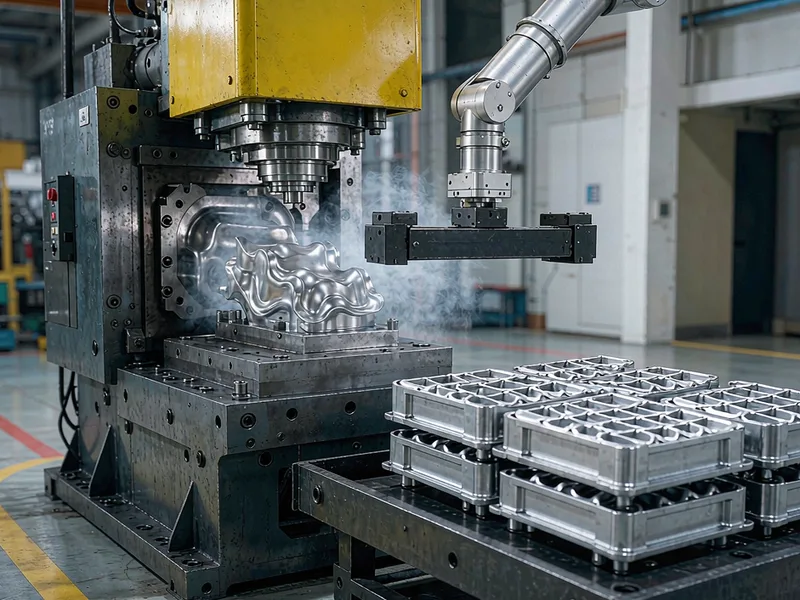 10/29/2026
Chinese casting aluminum alloy grades explained: GB/T 1173 and GB/T 15115 codes, ZL and YL names, and their A356, ADC12, and A380 equivalents.
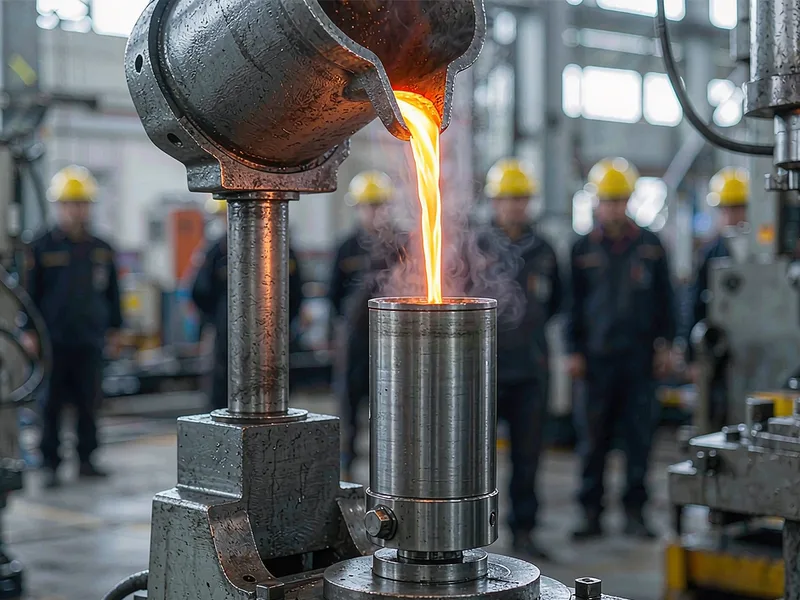 10/28/2026
ADC12 aluminum alloy explained: chemistry, mechanical properties, casting limits, and global equivalents like A383, EN AC-46000, and AlSi11Cu3.
 10/27/2026
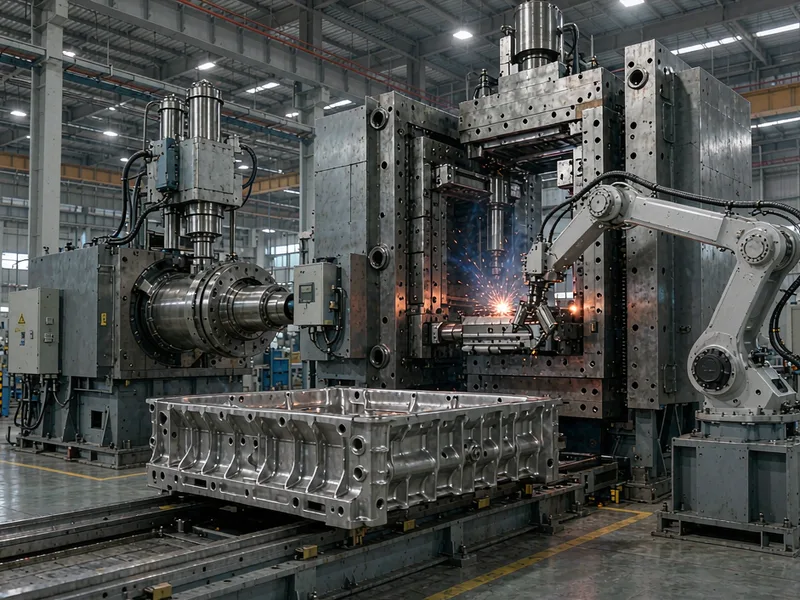
Gigacasting for EV body-in-white: part consolidation, tooling cost and risk, AlSi10MnMg alloys, and what mega castings mean for sourcing.
 10/26/2026
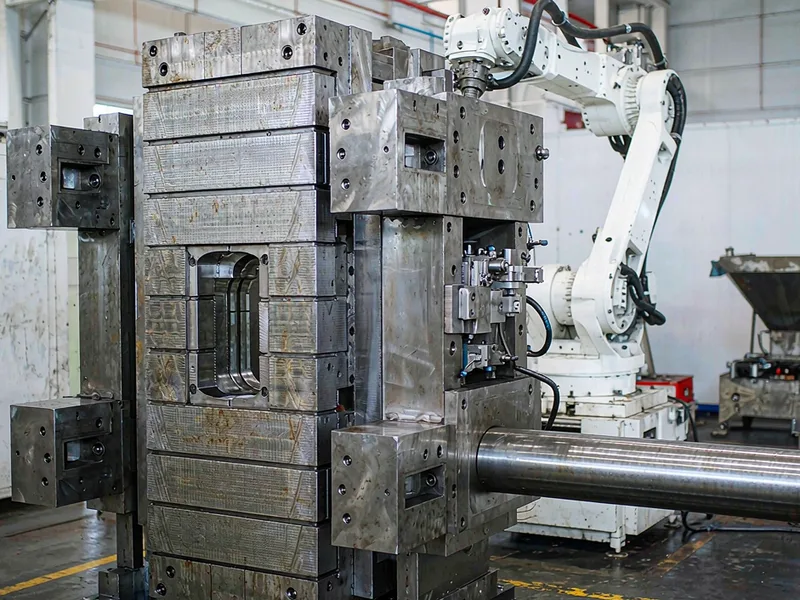
Permanent mold vs die casting: tooling cost, cycle time, tolerances and the 10,000-20,000 part crossover that decides your best route at volume.
 10/25/2026
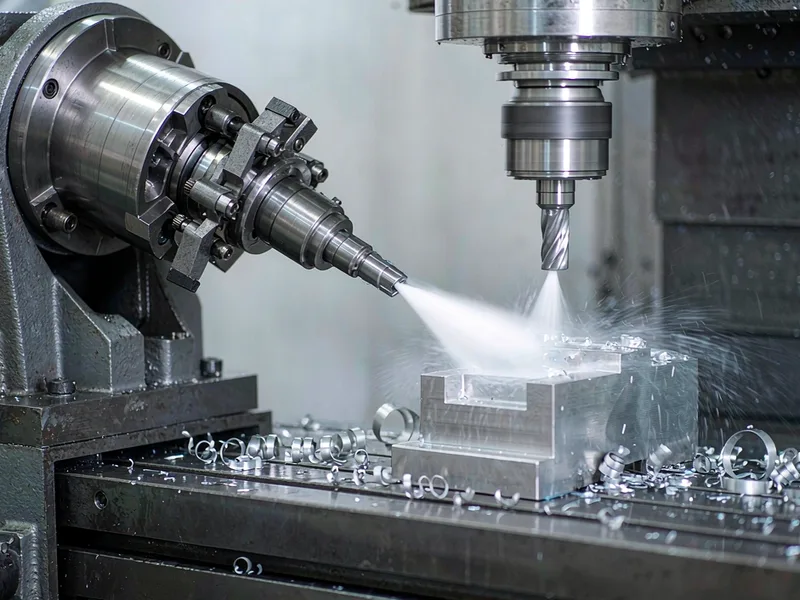
Die casting vs CNC machining: tooling, piece price and the 1,000-3,000 part crossover, plus how machining content and tolerance move the break-even.