HKXCAST一站式铝合金产品解决方案提供商邮箱:hkxcast@163.com
 09/14/2025
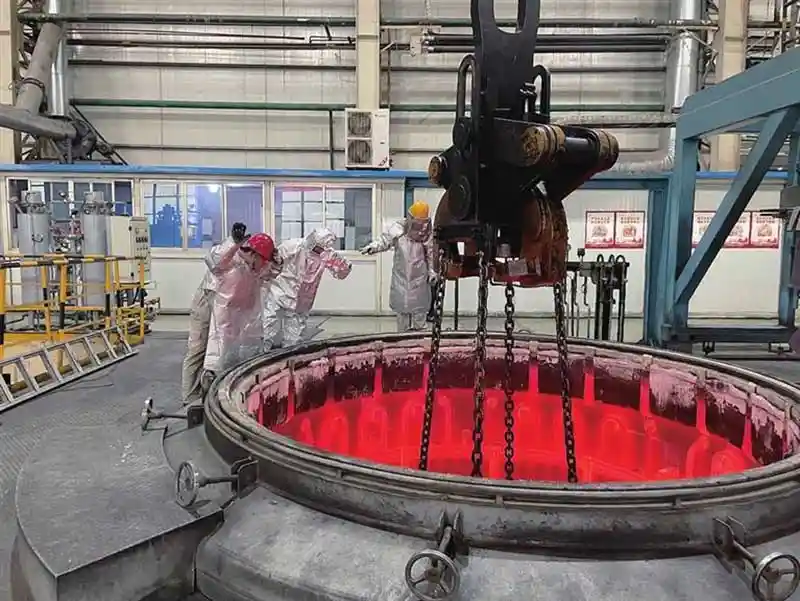
Annealing is a cornerstone technique in modern manufacturing, metallurgy, and materials engineering. Whether you’re dealing with steel beams, copper wires, or semiconductor wafers, annealing plays a vital role in shaping how materials behave under stress, respond to machining, and perform over…
 09/11/2025
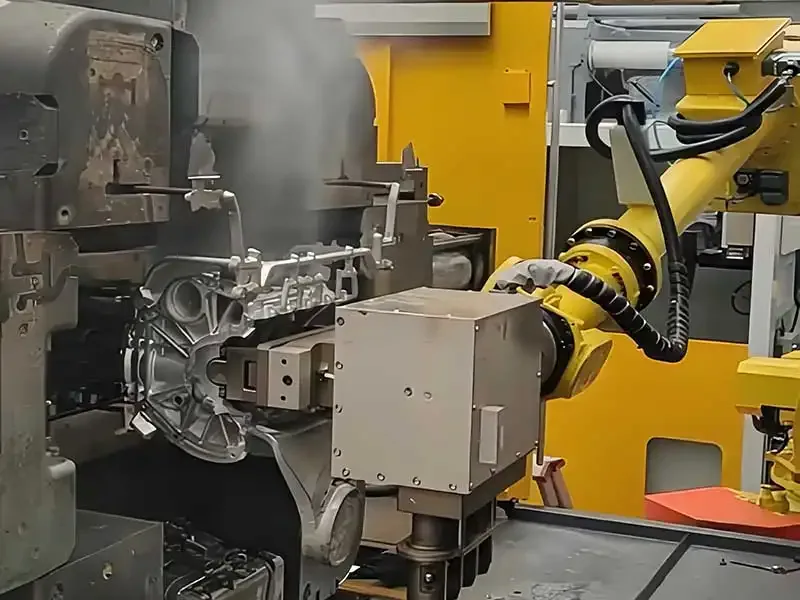
Metal casting has been a cornerstone of modern manufacturing, enabling the production of complex, high-strength components at scale. Among the many casting methods available, High Pressure Die Casting (HPDC) stands out as a critical process in industries that demand precision, efficiency, and high-v…
 09/09/2025
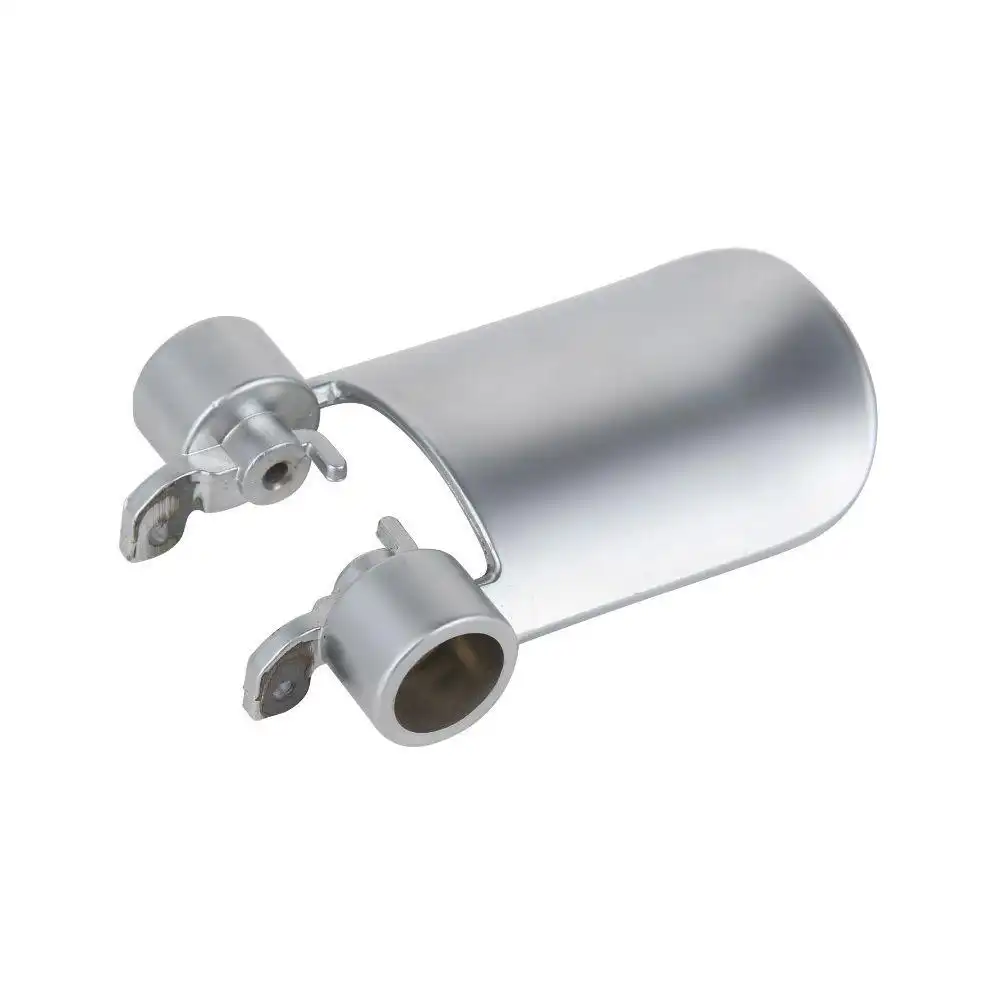
Die casting plays a pivotal role in high-volume manufacturing, especially when producing precision parts with tight tolerances. Among the most commonly used die casting metals, zinc and aluminum stand out for their unique material properties and wide application range. But when it comes to choosing …
 09/06/2025
Aluminium alloys are among the most widely used materials in modern engineering, owing to their excellent strength-to-weight ratio, corrosion resistance, and formability. Among them, 7075 aluminium and 6061 aluminium are two of the most commonly specified grades for structural and industrial applica…
 09/03/2025
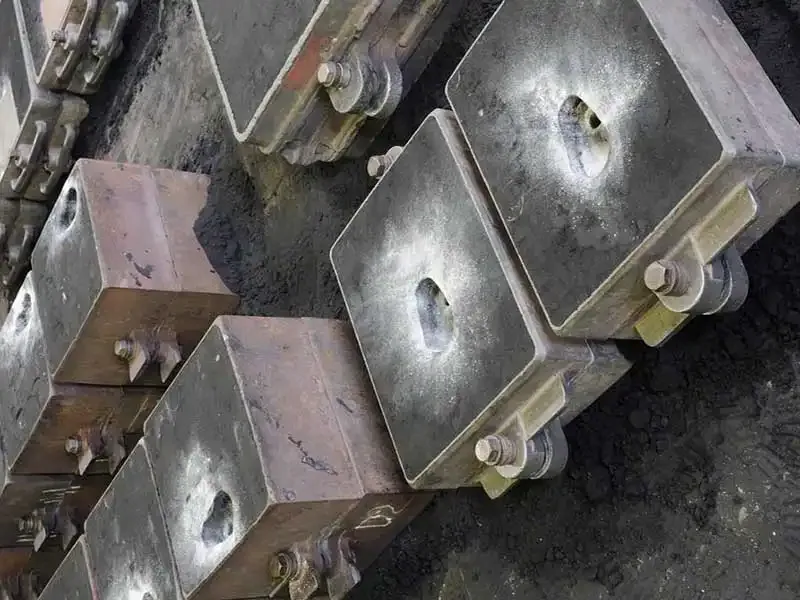
Sand casting is one of the most foundational and versatile metal casting techniques in manufacturing, capable of producing both small and extremely large components in a wide variety of metals. This guide, written from the perspective of a seasoned engineer, dives into the complete sand casting proc…
 09/01/2025
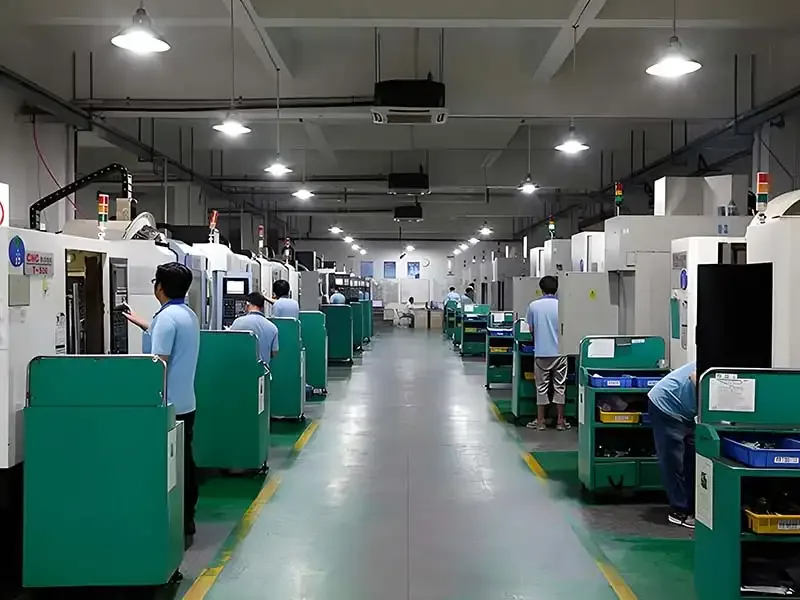
Understanding the real cost of CNC machining is critical for manufacturers, product designers, and procurement professionals. Whether you work in an engine machine shop or are evaluating automotive machine shops for a production run, this guide will help you grasp the cost drivers and practical stra…
 08/29/2025
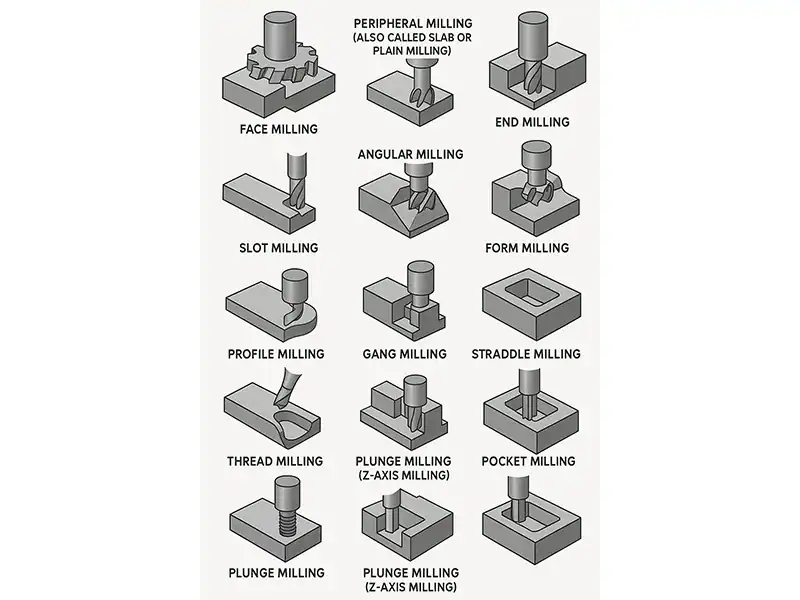
Milling is a critical machining process that uses rotary cutters to remove material from a workpiece. Known for its versatility and precision, it plays a vital role in manufacturing across industries like automotive, aerospace, mold-making, and general engineering. This guide explores the 12 essenti…
 08/26/2025
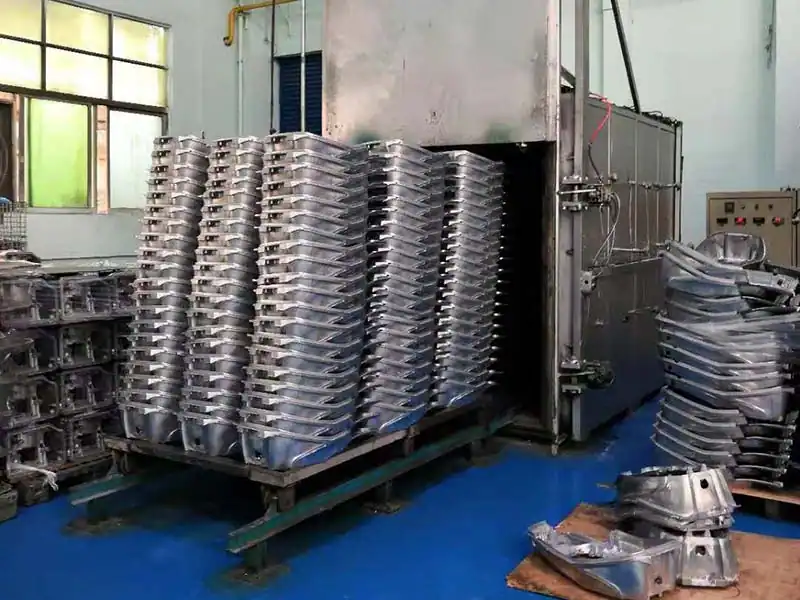
Start here. This page is the overview of heat treatment for cast aluminum alloys: what each process does, how the T4 / T5 / T6 states are built, and which defects show up on the shop floor. The individual processes have their own pages, and the table below says which one to read next. Process What i…
 08/24/2025
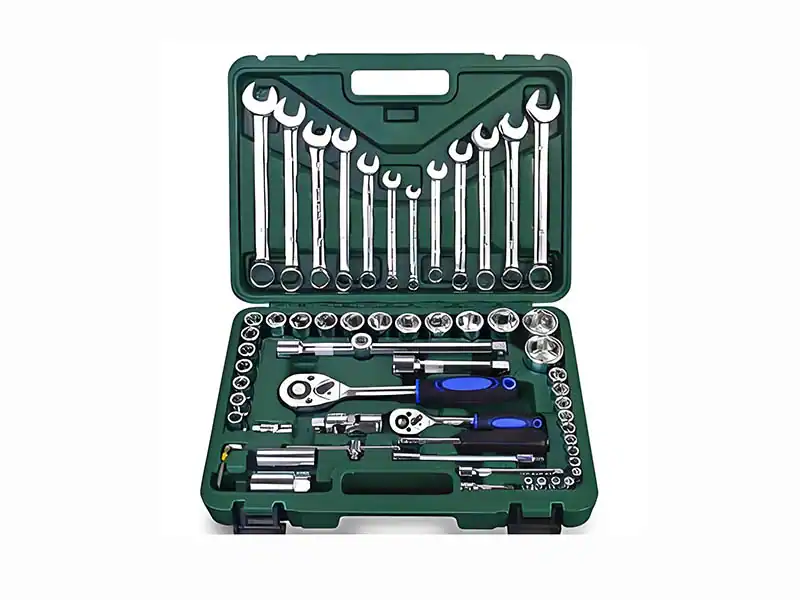
That satisfying whirr of a well-tuned lathe, the clean shaving of steel peeling away under a sharp cutter, the final part sliding perfectly into place with micron-level precision – this is the magic of machining. But behind every perfect cut and flawless fit lies a foundation of essen…
 08/21/2025
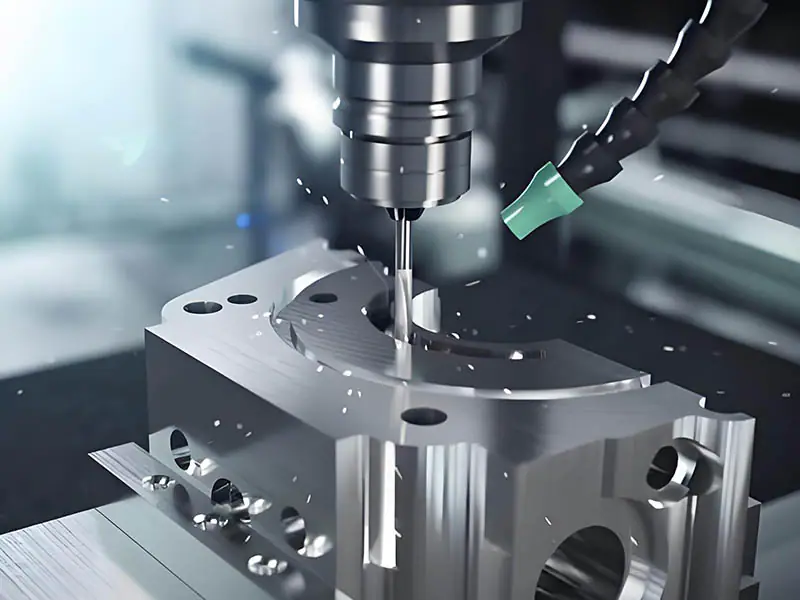
In manufacturing industries such as machinery equipment production and casting, we often encounter the term “CNC machining.” So, is CNC machining important in manufacturing? Yes, it is crucial. CNC (Computer Numerical Control) is a manufacturing technology that automates machin…
 08/18/2025
The manufacturing landscape employs diverse techniques to shape metals, balancing precision, strength, and efficiency. Casting methods like die casting (high-pressure injection into reusable molds) and sand casting (low-cost, expendable sand molds) cater to volume and size needs. Investment casting achieves intricate designs via wax patterns, while lost foam and centrifugal casting enhance efficiency and material integrity. Forging (die/drop) strengthens metals via compression, refining microstructure. Rolling (hot/cold) forms sheets/bars via rollers. Modern additive methods (SLM/SLS) enable complex geometries via laser-fused powders. Metal injection molding merges powder metallurgy with injection principles for small, precise parts. Stamping, drawing, and squeeze casting optimize sheet/semi-solid forming. Processes like continuous casting and roll forming streamline mass production, while grinding and machining (turning/milling) ensure precision. Innovations like metal deposition and die-cutting expand repair and shaping capabilities. Each technique addresses unique demands, driving advancements in aerospace, automotive, and industrial sectors.
 08/16/2025
When it comes to welding, two of the most popular methods are MIG (Metal Inert Gas) and TIG (Tungsten Inert Gas). Both techniques have their own strengths and are widely used in various industries. However, choosing between them can be a bit overwhelming, especially for beginners or those new to wel…