HKXCAST一站式铝合金产品解决方案提供商邮箱:hkxcast@163.com
 11/13/2026
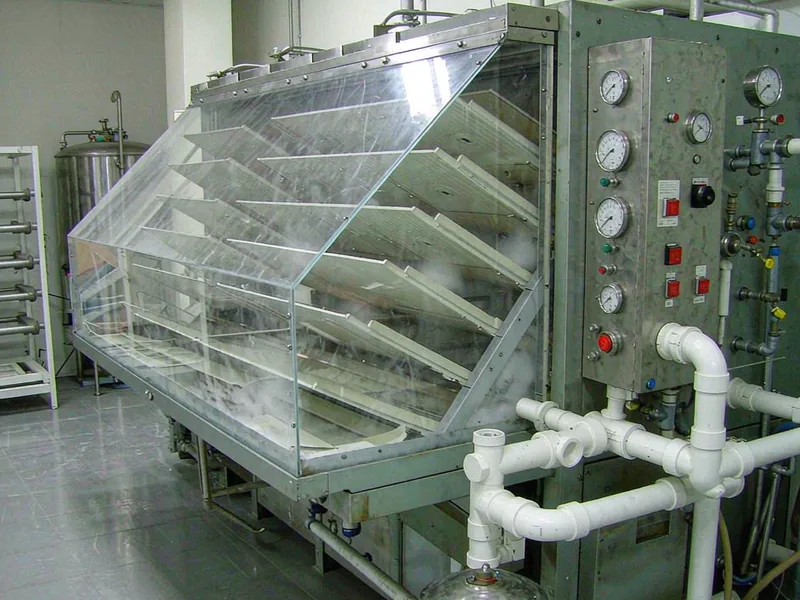
Realistic ASTM B117 salt spray hours for aluminum die castings by finish: bare, chromate, anodize, e-coat and powder coat, plus acceptance criteria.
 11/13/2026
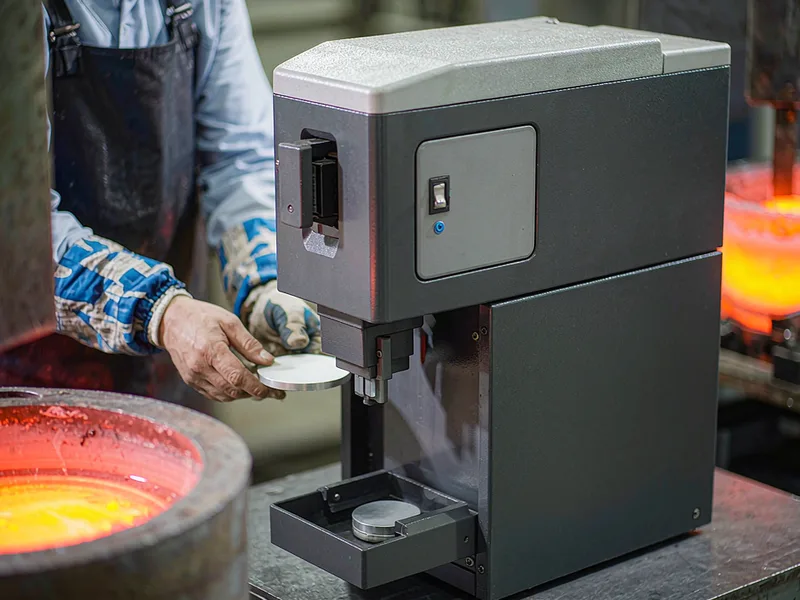
Control aluminum die casting iron content to protect die life and part quality. See target Fe ranges for A380, ADC12, and A360 plus floor test checks.
 11/12/2026
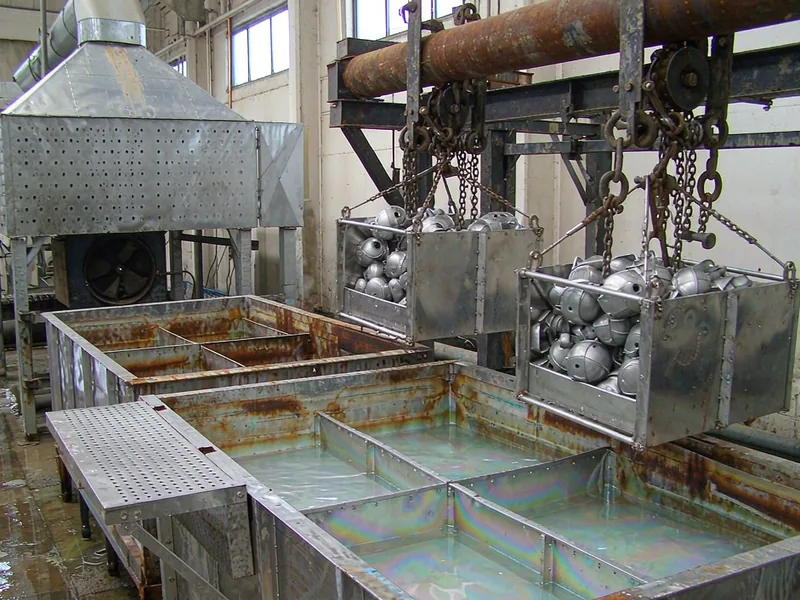
Trivalent vs hexavalent chromate on RoHS and ELV compliance, salt spray hours, contact resistance and paint adhesion, plus drawing acceptance values.
 11/12/2026
Hypoeutectic vs eutectic Al-Si alloys: the 12.6% silicon boundary, microstructure differences, property trade-offs, and how to choose the right die casting alloy family.
 11/11/2026
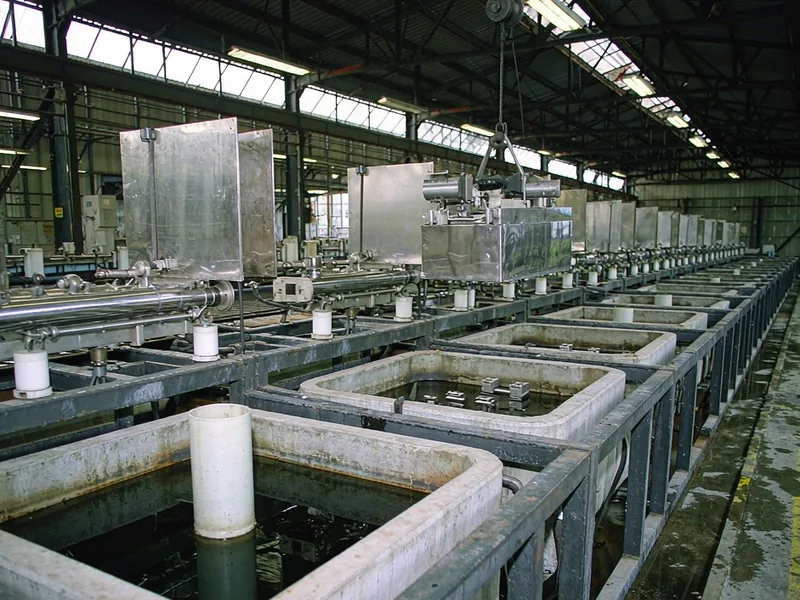
Why anodizing die cast aluminum turns ADC12 grey: silicon and copper effects, achievable film thickness, and acceptance metrics for your drawing.
 11/11/2026
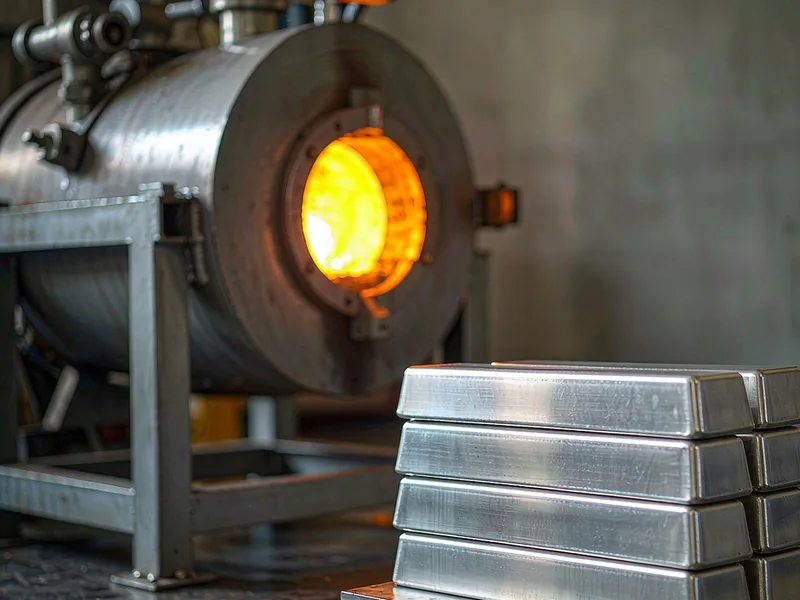
AZ91D magnesium explained: density, as-cast properties, die casting process rules, and the corrosion and galvanic limits you must design around before specifying it.
 11/10/2026
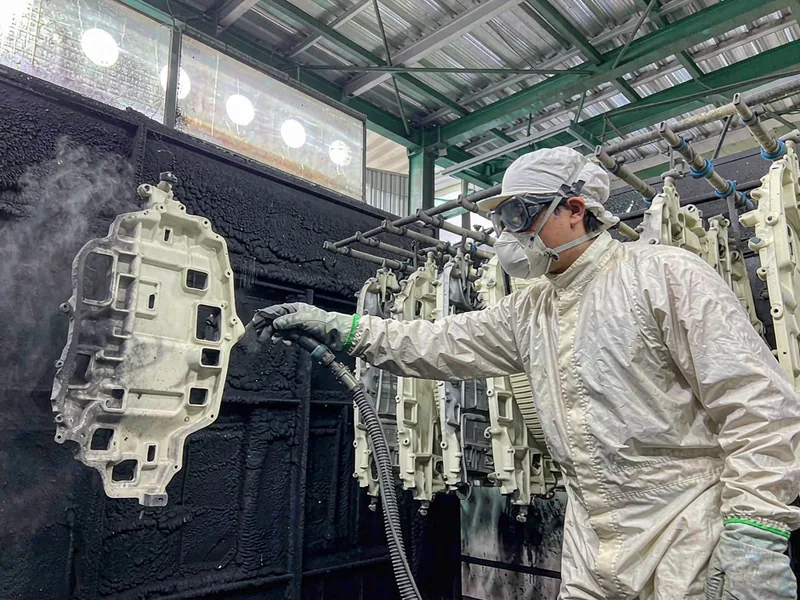
The eight-stage pretreatment line, chrome-free conversion coating and outgassing fixes that make powder coating aluminum castings pass salt spray.
 11/10/2026
Zamak 3 vs Zamak 5 compared: chemistry, tensile and hardness data, plating behavior, and a clear selection rule to pick the right zinc alloy for your die cast part.
 11/09/2026
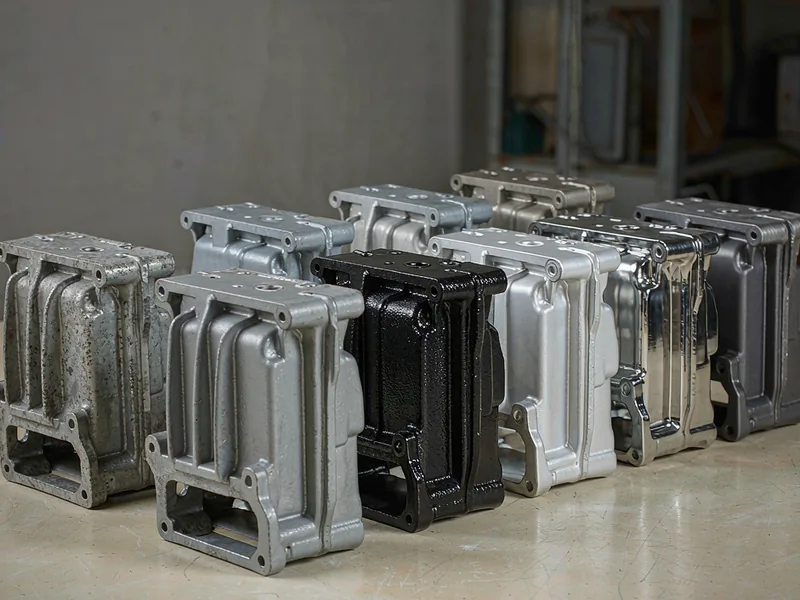
Compare as-cast, blasted, anodized, painted and powder coated finishes for aluminum die castings, with Ra values, cost index and acceptance tests.
 11/09/2026
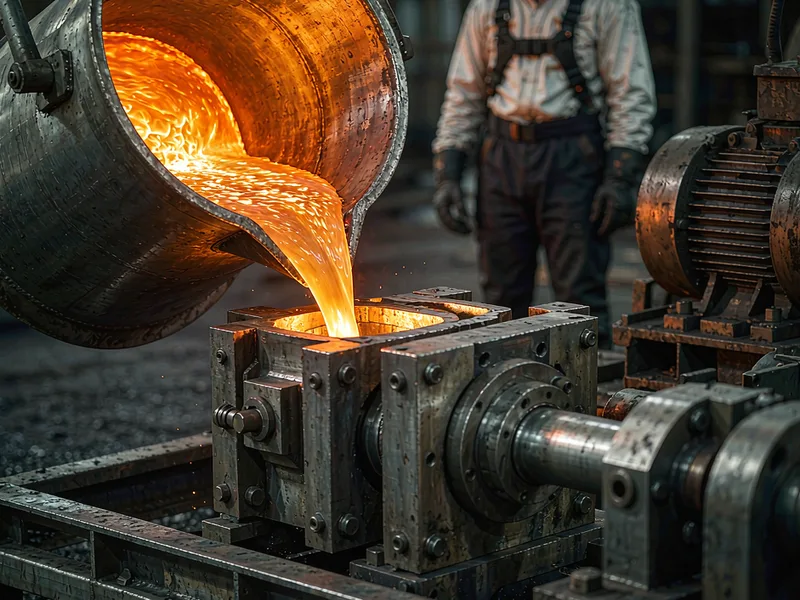
ZL101 aluminum alloy and ZL104 explained: GB/T chemistry, T6 properties, casting routes, and how to pick the right Chinese gravity casting grade for your part.
 11/08/2026
Why shrinkage porosity forms in thick die cast sections, and how to choose between coring, squeeze pins, die cooling or a different casting process.
 11/08/2026
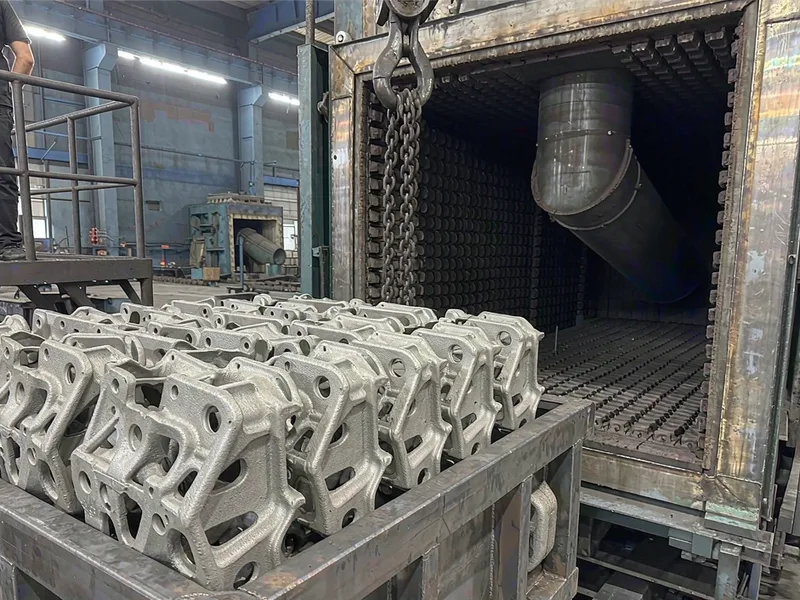
AlSi10Mg is a heat-treatable aluminum casting alloy built for structural parts. Compare as-cast and T6 properties and the methods that allow T6.