HKXCAST One-Stop Aluminum Alloy Product Solutions Provider Email :hkxcast@163.com
![[Guide] Secondary Operations for Aluminum Casting in China](https://hkxcast.com/wp-content/uploads/1776842741481-lmdkha-0.webp) 05/17/2026
05/17/2026
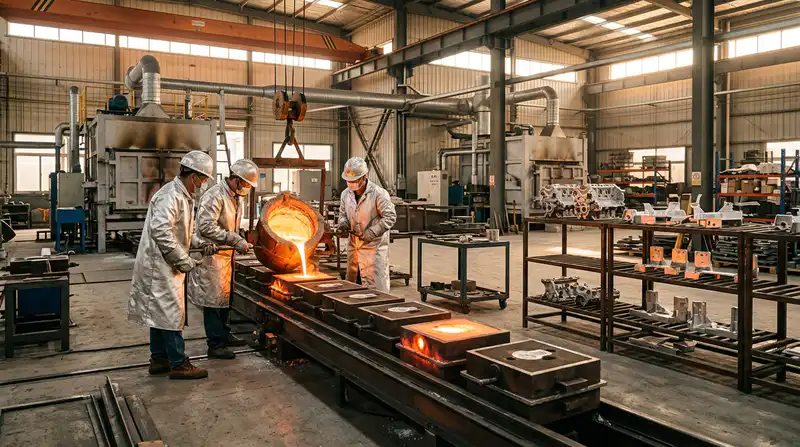
Roughly 58% of aluminum castings produced in China leave the foundry only half-finished — the real value lands in what happens next. Secondary operations for aluminum casting in China cover CNC machining, heat treatment, deburring, anodizing, powder coating, and assembly, typically adding 30-120% to…
 05/11/2026
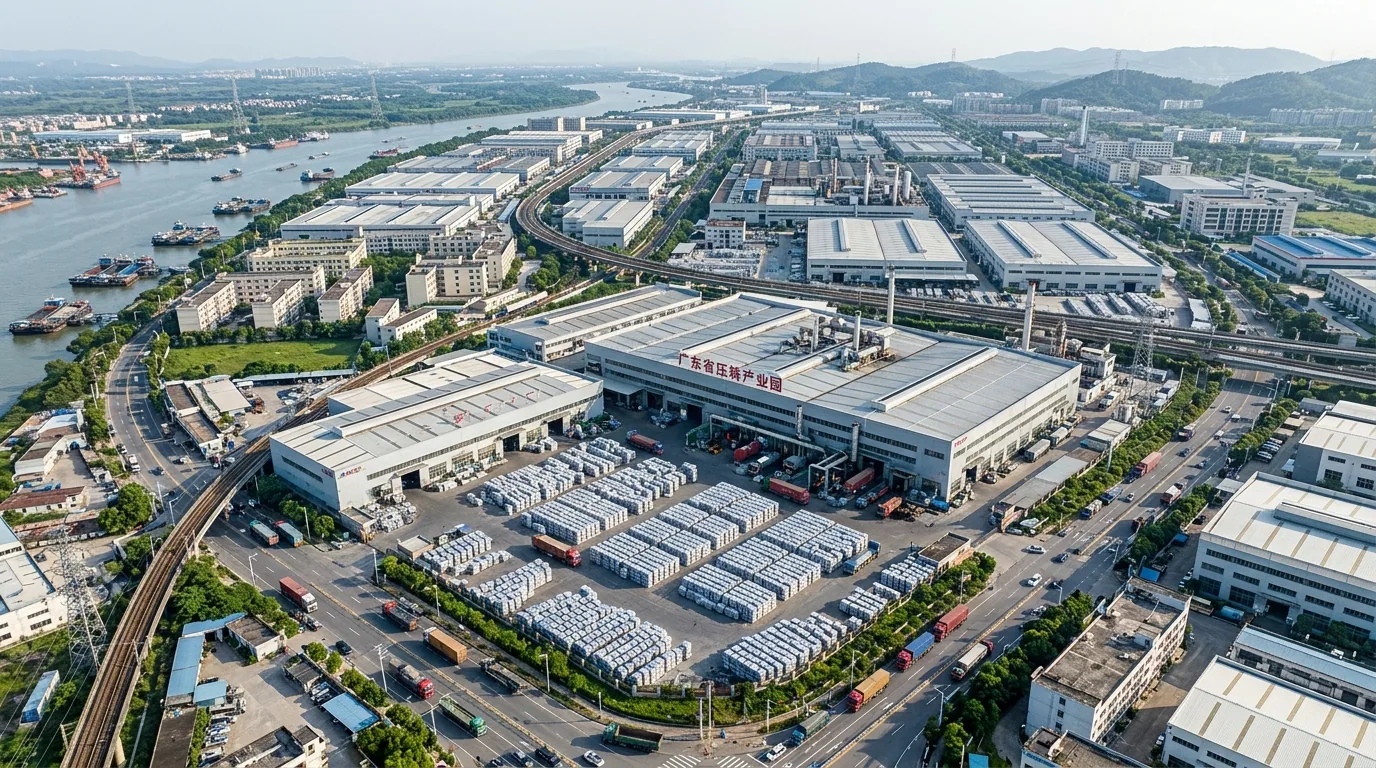
China produces roughly 58% of the world’s cast aluminum output, according to Statista industry data, yet fewer than 15% of registered foundries hold IATF 16949 or equivalent certifications — which means picking the wrong China gravity casting aluminum supplier can quietly cost you 20–40% in sc…
 05/04/2026
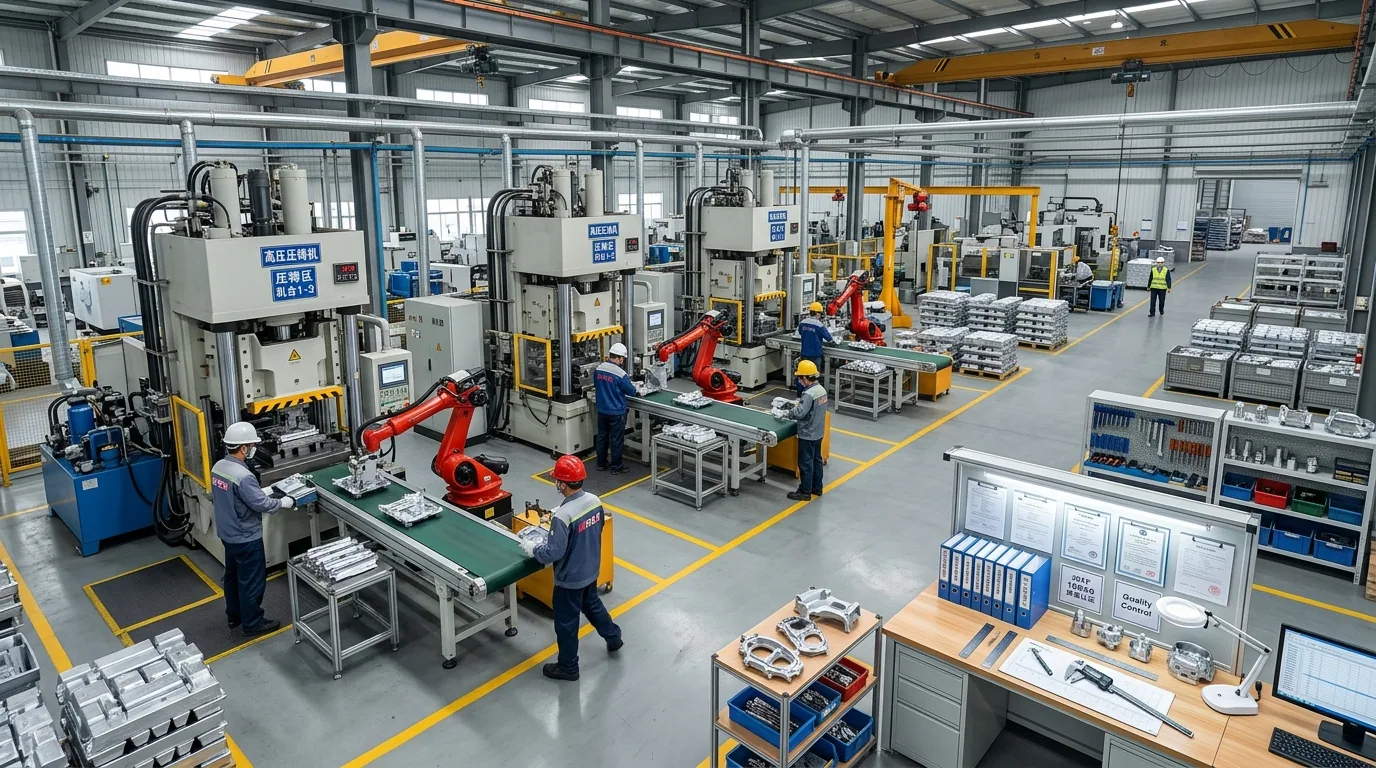
China produces roughly 58% of the world’s cast aluminum output, and that production is not evenly spread — it concentrates in four or five industrial belts with very different specializations. If you’re sourcing parts, the top aluminum casting regions in China each solve a different…
 04/27/2026
Roughly 40% of global aluminum casting output comes from China, yet a 2023 Asia Inspection report flagged that 1 in 5 first-time buyers received parts failing dimensional or porosity specs. Knowing how to verify a Chinese aluminum casting factory before wiring a deposit is the single biggest lever f…
 04/21/2026
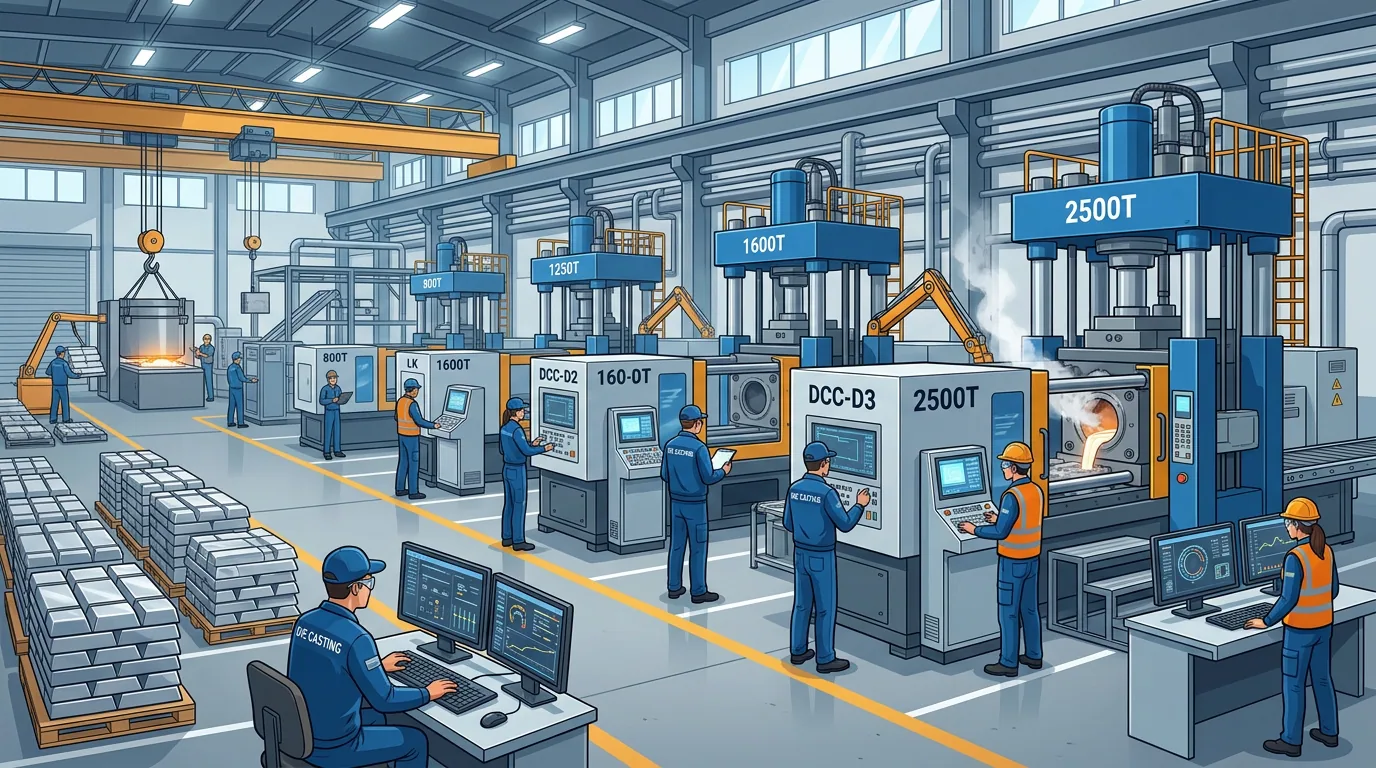
China produces roughly 58% of the world’s aluminum die castings by volume, according to Statista industry reports—yet buyer complaints about porosity defects, tooling ownership disputes, and missed lead times remain stubbornly common. Vetting high pressure die casting manufacturers in Chi…
![Essential China Aluminum Foundry Audit Checklist [PDF]](https://hkxcast.com/wp-content/uploads/1776840132754-o7r1b3-0.png) 04/14/2026
04/14/2026
Roughly 58% of aluminum casting defects traced back to Chinese suppliers originate from process control gaps that a proper on-site audit would have caught before the first PO. A rigorous China aluminum foundry audit checklist isn’t paperwork — it’s the single highest-ROI quality gate in …
 04/08/2026
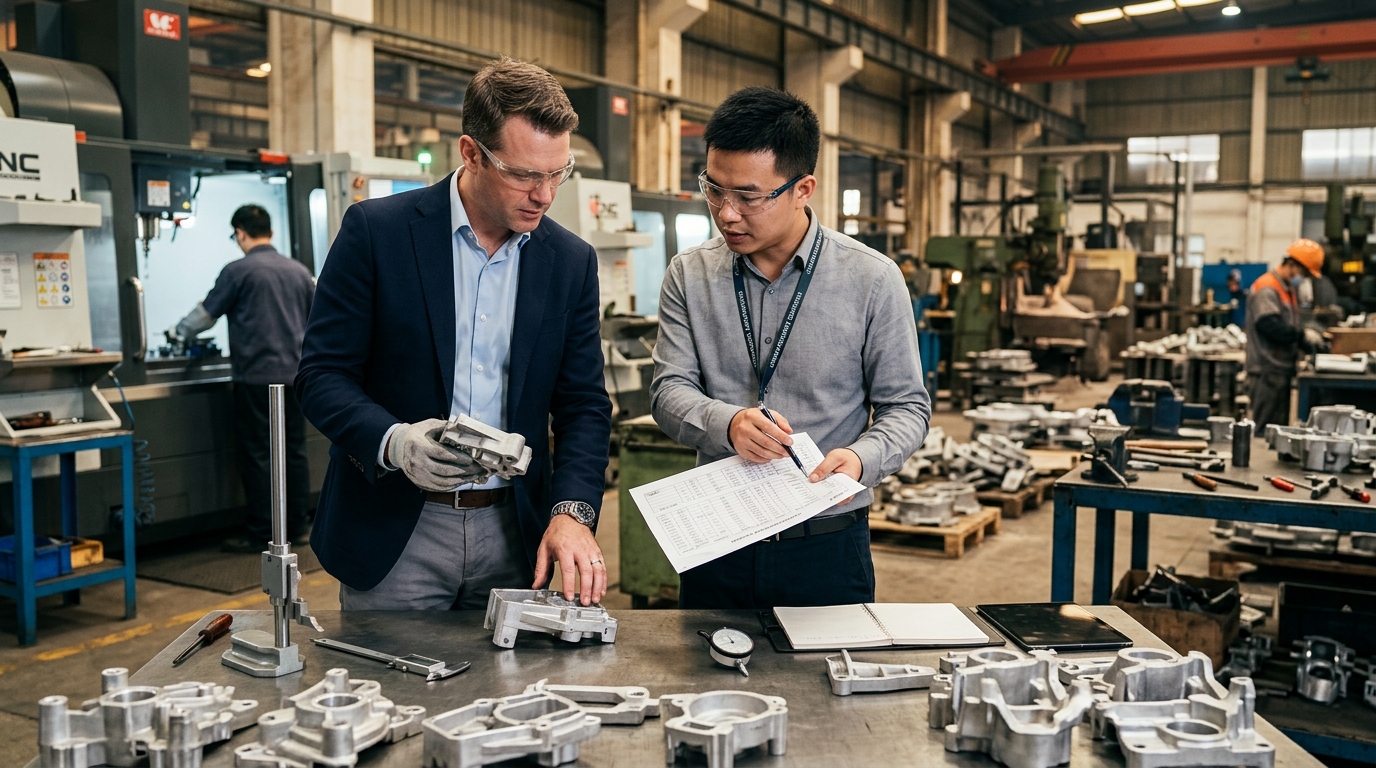
Chinese foundries export over $4.2 billion in aluminum castings annually, yet roughly 30% of first-time Western buyers report quality or delivery disputes within their first order cycle, according to industry data from Statista’s foundry market reports. A qualified sourcing agent for aluminum …
 04/01/2026
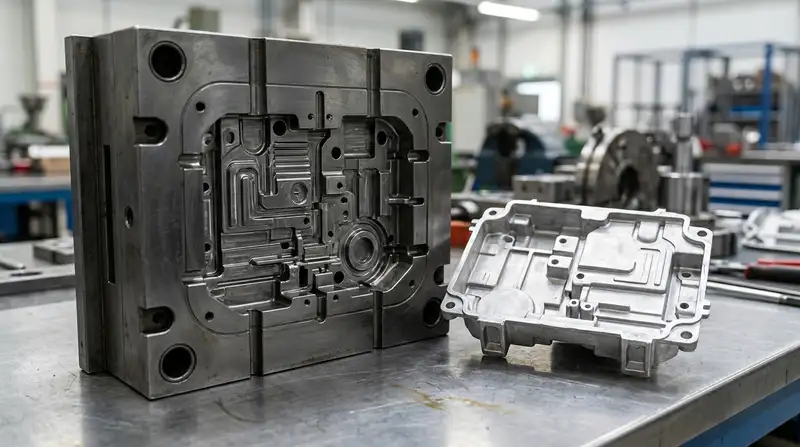
The global die casting market reached $81.3 billion in 2023 and is projected to grow at a 6.8% CAGR through 2030, according to Grand View Research — a clear signal that manufacturers are betting heavily on this process over alternatives like sand casting or CNC machining. Custom die casting services…
 09/30/2025
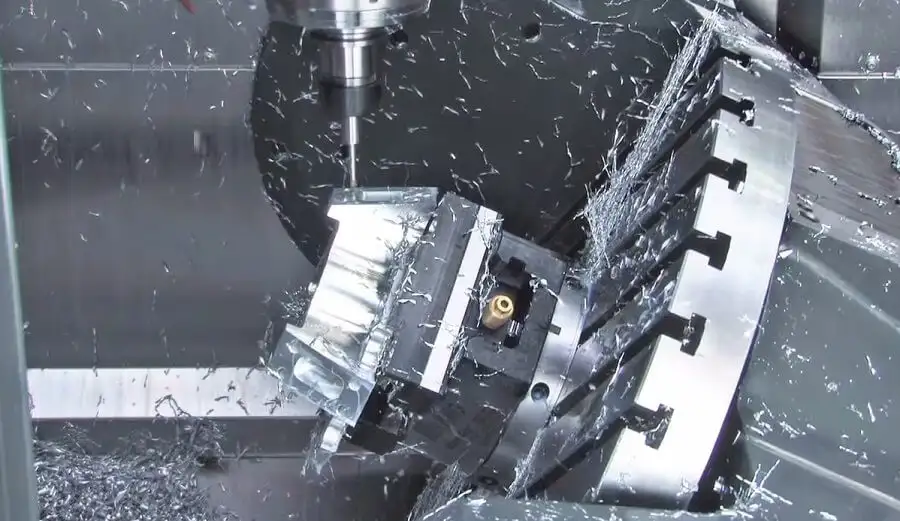
CNC (Computer Numerical Control) technology has drastically changed the landscape of modern manufacturing, making processes faster, more precise, and more efficient. The evolution of CNC has led to advancements in industries ranging from automotive to aerospace and medical devices. In this article, …
 09/27/2025
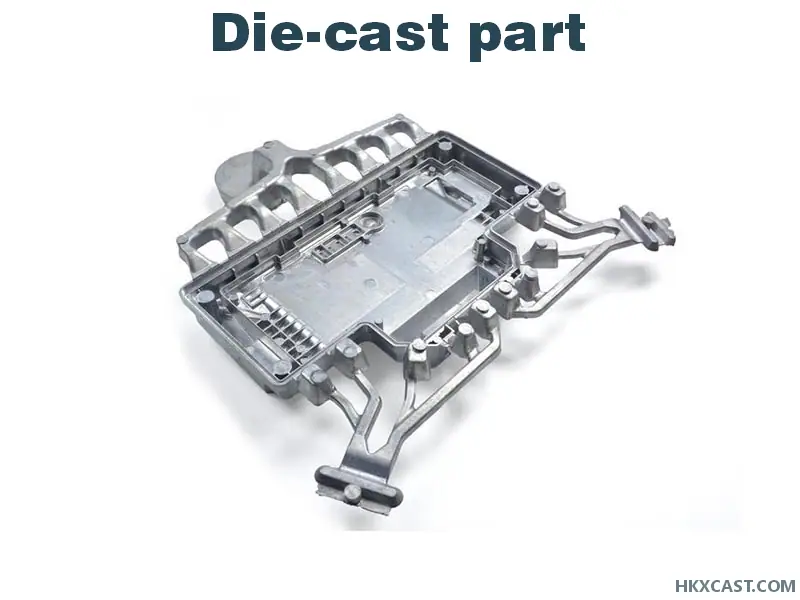
Die casting and investment casting are two of the most widely used metal casting methods in modern manufacturing. While both processes aim to produce accurate and durable parts, they differ significantly in terms of tooling, materials, cost, and production capabilities. In this article, we break dow…
 09/25/2025
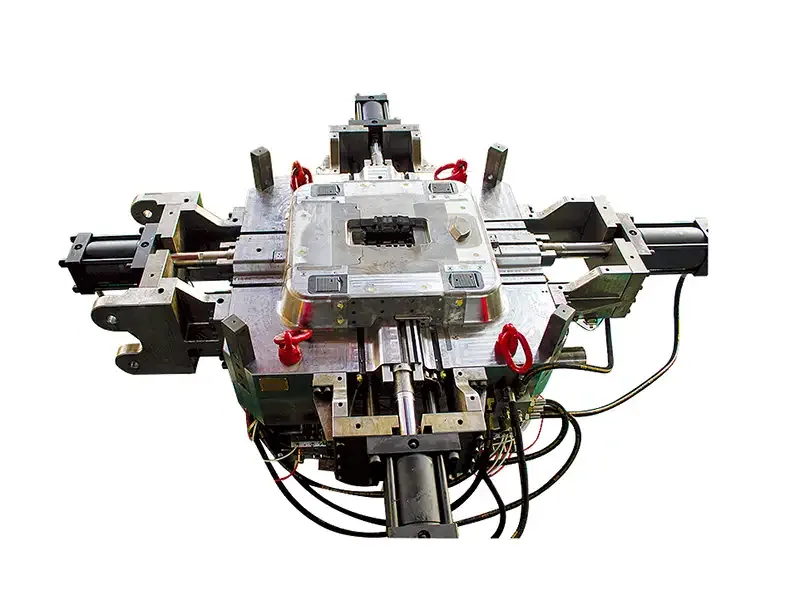
Multi-slide die casting is a specialized form of hot-chamber die casting that uses four or more slides moving in different directions to create complex, high-precision metal parts. Unlike conventional two-plate or three-plate systems, multi-slide die casting enables tooling from multiple axes, allow…
 09/22/2025
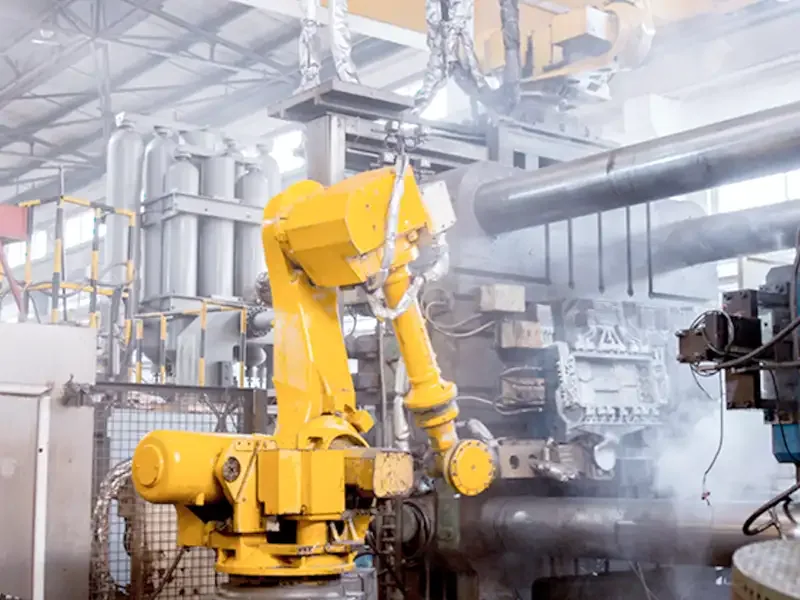
Magnesium die casting has become a prominent manufacturing technology in industries seeking lightweight, high-performance components. As the lightest structural metal, magnesium offers an excellent strength-to-weight ratio, good dimensional stability, and outstanding machinability, making it ideal f…