HKXCAST One-Stop Aluminum Alloy Product Solutions Provider Email :hkxcast@163.com
 11/11/2026
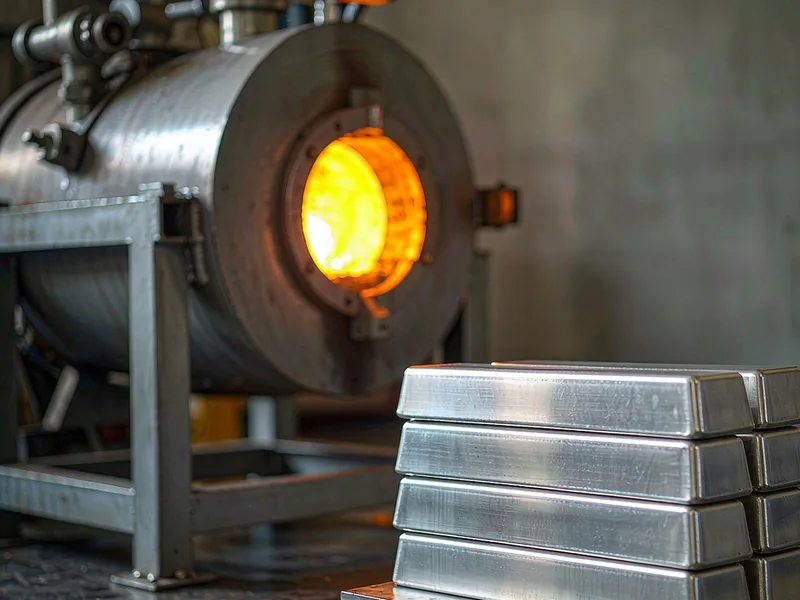
AZ91D magnesium explained: density, as-cast properties, die casting process rules, and the corrosion and galvanic limits you must design around before specifying it.
 11/10/2026
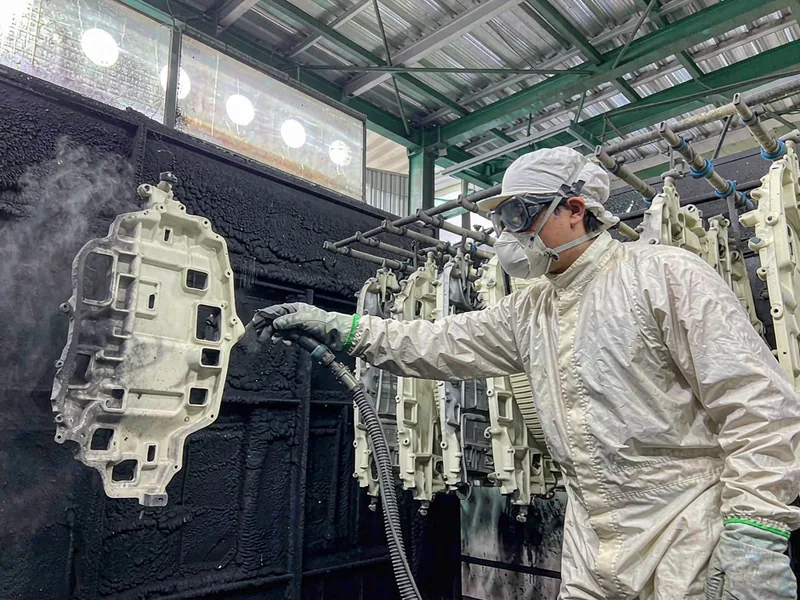
The eight-stage pretreatment line, chrome-free conversion coating and outgassing fixes that make powder coating aluminum castings pass salt spray.
 11/10/2026
Zamak 3 vs Zamak 5 compared: chemistry, tensile and hardness data, plating behavior, and a clear selection rule to pick the right zinc alloy for your die cast part.
 11/09/2026
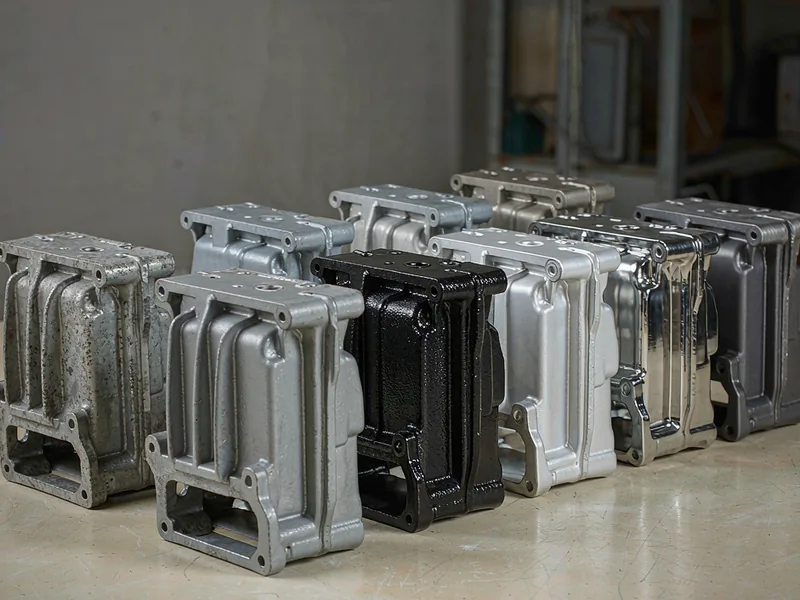
Compare as-cast, blasted, anodized, painted and powder coated finishes for aluminum die castings, with Ra values, cost index and acceptance tests.
 11/09/2026
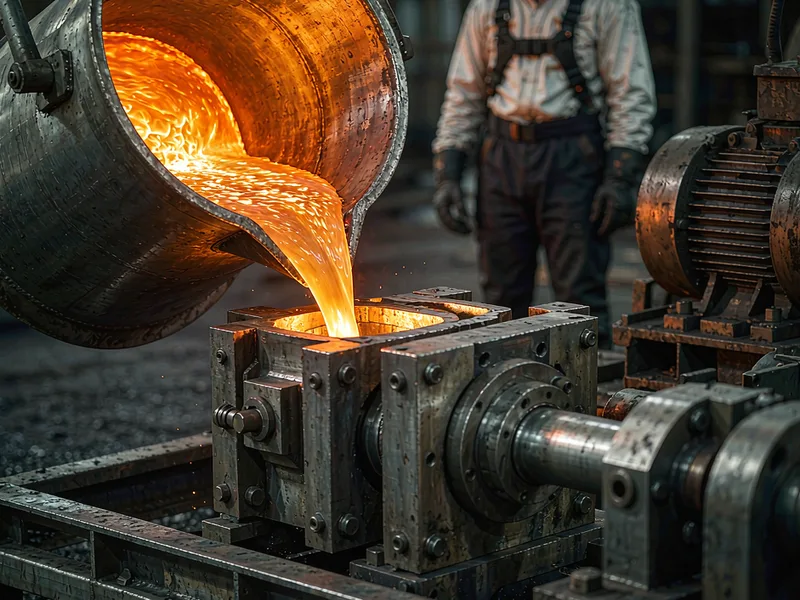
ZL101 aluminum alloy and ZL104 explained: GB/T chemistry, T6 properties, casting routes, and how to pick the right Chinese gravity casting grade for your part.
 11/08/2026
Why shrinkage porosity forms in thick die cast sections, and how to choose between coring, squeeze pins, die cooling or a different casting process.
 11/08/2026
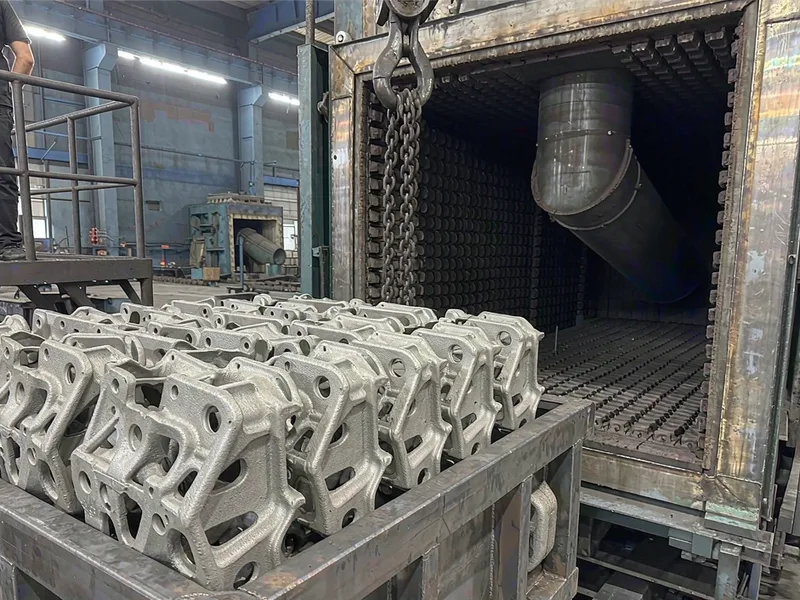
AlSi10Mg is a heat-treatable aluminum casting alloy built for structural parts. Compare as-cast and T6 properties and the methods that allow T6.
 11/07/2026
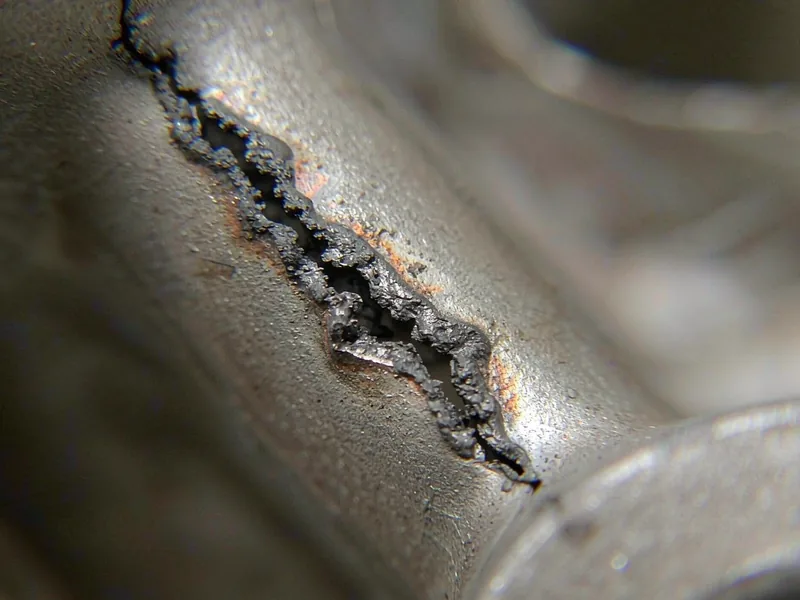
How hot tearing die casting defects start at hot spots, how to tell them from cold and quench cracks, and the accept, repair or reject rules.
 11/07/2026
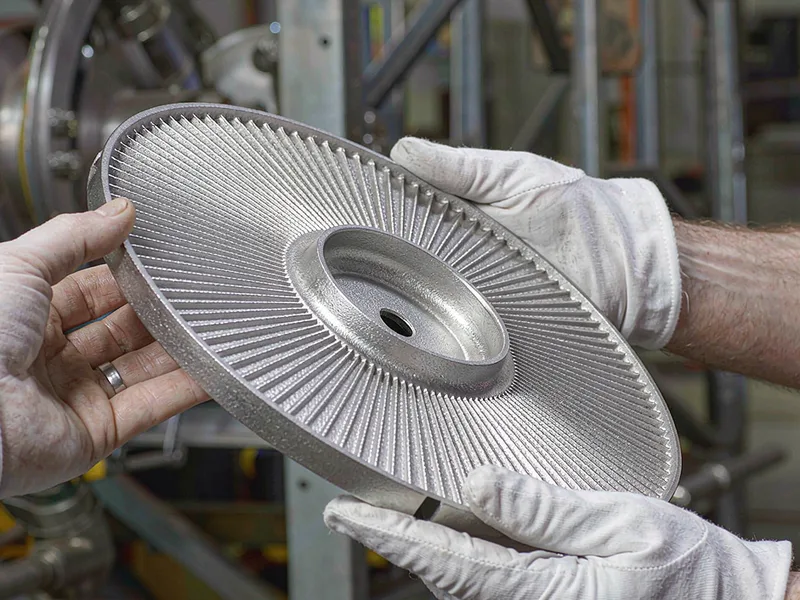
A413 aluminum alloy delivers pressure-tight thin-wall castings with near-eutectic silicon. See its properties, design rules, and where it beats A380.
 11/06/2026
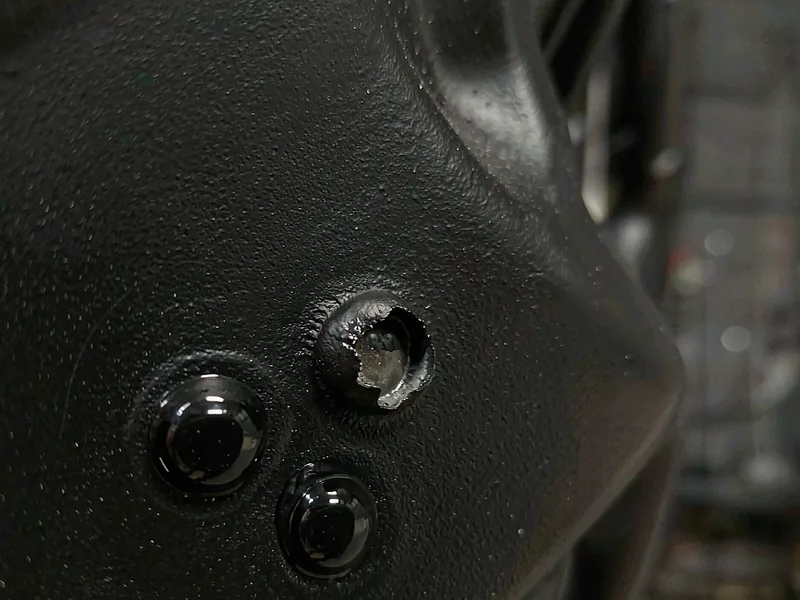
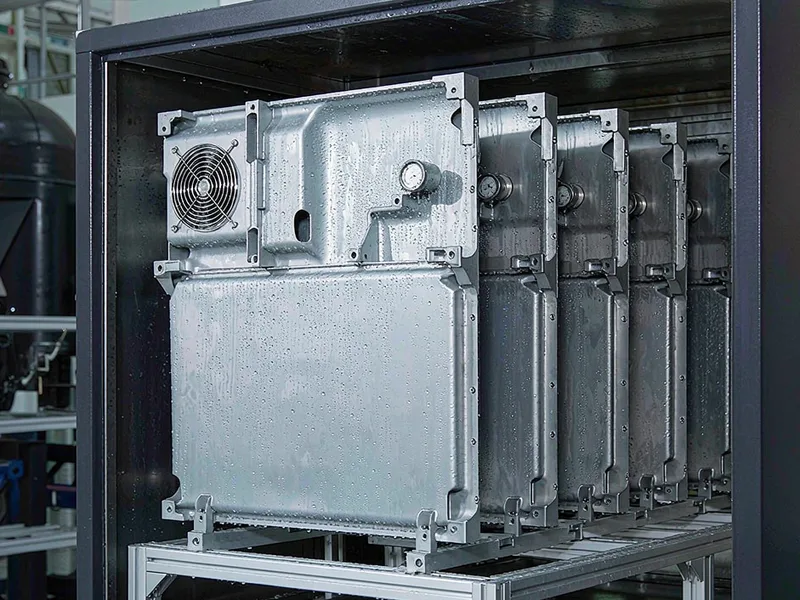
Why a die casting blister defect appears after heat treatment or coating, which gas sources cause it, and how to set accept-or-reject limits.
 11/06/2026
A360 aluminum alloy beats A380 on corrosion resistance with low copper. Learn its properties, trade-offs, and the parts that should specify it.
 11/05/2026
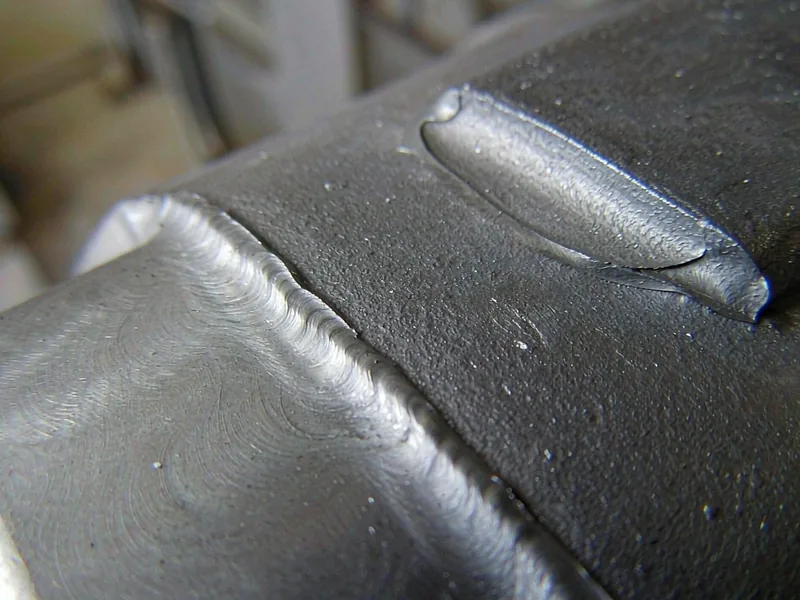
Why cold shut die casting defects form at the last-to-fill zone, how to tell them from flow lines, and the accept-or-reject rules buyers should apply.