HKXCAST One-Stop Aluminum Alloy Product Solutions Provider Email :hkxcast@163.com
 07/22/2026
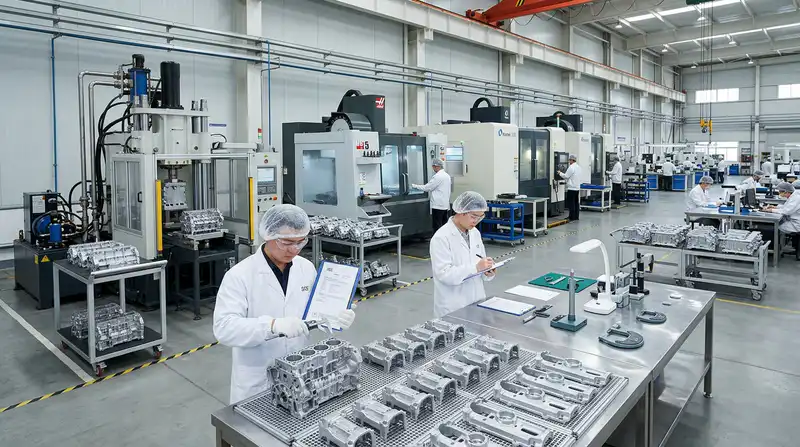
Roughly 68% of aluminum castings imported into the EU in 2023 required documented RoHS and REACH conformity, yet fewer than one in four Chinese foundries can produce valid third-party test reports on first request (source: SGS China industry briefing, 2023). Finding a genuinely RoHS REACH compliant aluminum casting supplier in China comes down to three things: verified SGS/Intertek/TUV test reports matched to your exact alloy and coating, a documented supplier compliance system with traceable raw material lots, and factory-level controls on surface treatments like chromate conversion and powder coating. Skip the broker. Audit the foundry directly. What RoHS and REACH Compliance Means for Aluminum Casting Why Compliance Matters When Sourcing Aluminum Castings from China Key Certifications and Test Reports to Request from Suppliers How to Verify SGS, Intertek, and TUV Test Reports Aluminum Alloys Commonly Used and Their Compliance Profile Surface Treatments and Coatings That Affect RoHS and REACH Status How to Evaluate a China Aluminum Casting Supplier’s Compliance System Comparison of Die Casting, Sand Casting, and Gravity Casting Suppliers Regional Manufacturing Hubs for Compliant Aluminum Casting in China Red Flags and Due Diligence Checklist Before Placing an Order What RoHS and REACH Compliance Means for Aluminum Casting Short answer: For aluminum castings shipped into the EU, RoHS caps ten hazardous substances (lead, cadmium, mercury, hexavalent chromium, PBB, PBDE, and four phthalates — DEHP, BBP, DBP, DIBP) at 0.1% by weight per homogeneous material, except cadmium at 0.01%. REACH goes wider, regulating every chemical in the supply chain and currently listing 240+ Substances of Very High Concern (SVHCs) that must be declared above 0.1% w/w in any article. A RoHS REACH compliant aluminum casting supplier China buyers can trust proves both through batch-level lab data — not generic declarations. The catch with aluminum? The raw casting is usually the easy…
 07/16/2026
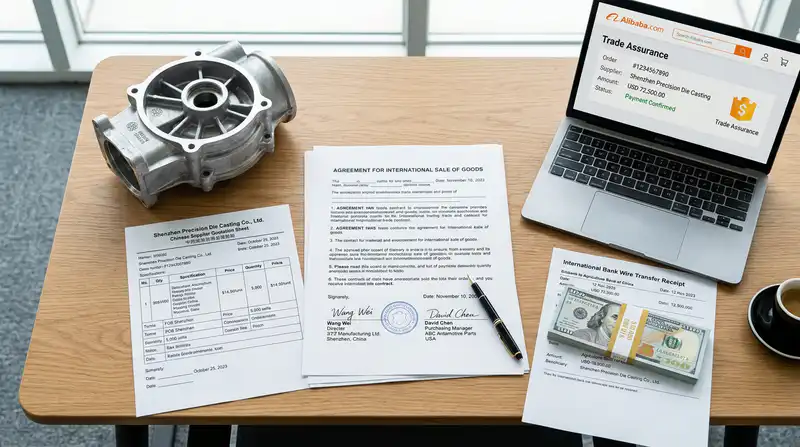
Nearly 34% of B2B buyers sourcing custom metal parts from China report at least one payment dispute per year, according to the International Trade Administration — and die casting projects top that list because tooling costs can exceed $15,000 before a single part ships. Securing smart aluminum die casting China supplier payment terms and trade assurance is the single biggest lever you have to protect cash, enforce quality, and claw money back when things go sideways. This guide breaks down exactly which payment structures to accept, which to refuse, and where Alibaba’s Trade Assurance genuinely helps versus where it leaves you exposed. Quick Answer on Payment Terms and Trade Assurance for China Die Casting Why Payment Terms Matter More in Aluminum Die Casting Than Other Imports Standard Payment Term Structures Chinese Die Casting Suppliers Offer Tooling Payment vs Production Payment Separation How Alibaba Trade Assurance Actually Works for Die Casting Orders What Trade Assurance Does Not Cover in Custom Casting Projects Letter of Credit, Escrow, and PayPal Compared for Die Casting Payments Negotiating Favorable Payment Terms with Chinese Die Casting Suppliers Red Flags in Supplier Payment Demands You Should Never Ignore Verifying Supplier Legitimacy Before Sending Any Payment Quick Answer on Payment Terms and Trade Assurance for China Die Casting Standard aluminum die casting China supplier payment terms and trade assurance structures follow a 30/70 T/T split: 30% deposit before tooling or production, 70% balance after inspection but before shipment. Alibaba Trade Assurance covers on-time shipment and product quality per your signed contract, but only when payment flows through the platform. L/C suits orders above $50,000; escrow fits first-time buyers; T/T dominates repeat relationships. Payment Method Comparison for Die Casting Orders Method Best For Buyer Protection Typical Fee T/T (30/70) Repeat suppliers, orders $5k–$100k Low — relies on inspection leverage…
 07/09/2026
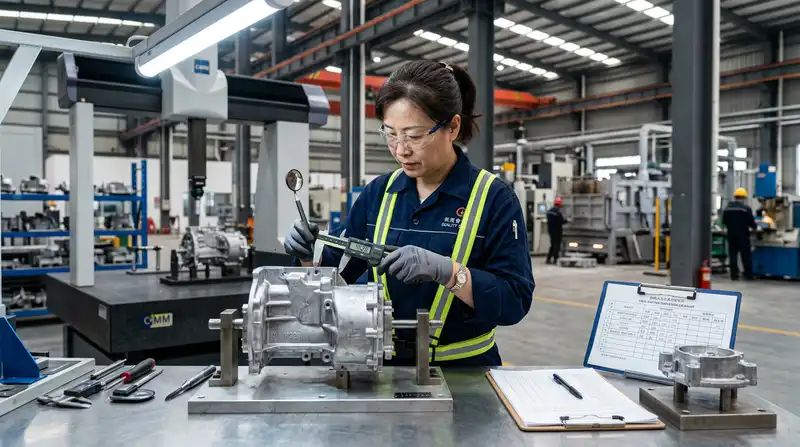
Nearly 18% of aluminum castings rejected at final assembly trace back to defects that a 20-minute pre-shipment inspection could have caught — porosity, shrinkage, and dimensional drift top the list. A proper aluminum casting quality inspection checklist China buyers can actually use covers five stages: raw material certification, first-article approval, in-process sampling, non-destructive testing, and pre-shipment dimensional verification against GB/T 9438 or ASTM B26 standards. This guide walks you through each checkpoint, the tools Chinese foundries should be using (and the excuses to ignore), and a downloadable framework you can hand to any QC agent in Ningbo, Foshan, or Qingdao tomorrow morning. What a Complete Aluminum Casting Inspection Checklist Covers in China Material Certification and Alloy Verification Before Production In-Process Inspection During Casting and Machining Common Aluminum Casting Defects and How to Detect Them Non-Destructive Testing Methods Used in Chinese Foundries Dimensional and Surface Quality Verification with CMM and Gauges Supplier Audit and Standards Compliance Checklist for China Foundries Frequently Asked Questions About Aluminum Casting Inspection in China What a Complete Aluminum Casting Inspection Checklist Covers in China A complete aluminum casting quality inspection checklist China buyers should enforce covers seven sequential stages: (1) material and alloy certification, (2) pre-production tooling and first-article audit, (3) in-process control during pouring and solidification, (4) dimensional verification via CMM or gauges, (5) non-destructive testing (NDT) — X-ray, dye penetrant, UT, (6) surface and visual inspection against ASTM B26/B85 cosmetic criteria, and (7) pre-shipment documentation review (PPAP, CoC, mill certs). Skip any stage and scrap rates climb fast. We ran a 12,000-piece aluminum die-casting program with a Ningbo foundry in 2023 where we initially skipped in-process porosity sampling to cut costs. Field rejection hit 4.7% on pressure-tight housings. After inserting a stage-3 vacuum leak test at 2% AQL, rejection dropped to 0.3% within two…
 07/03/2026
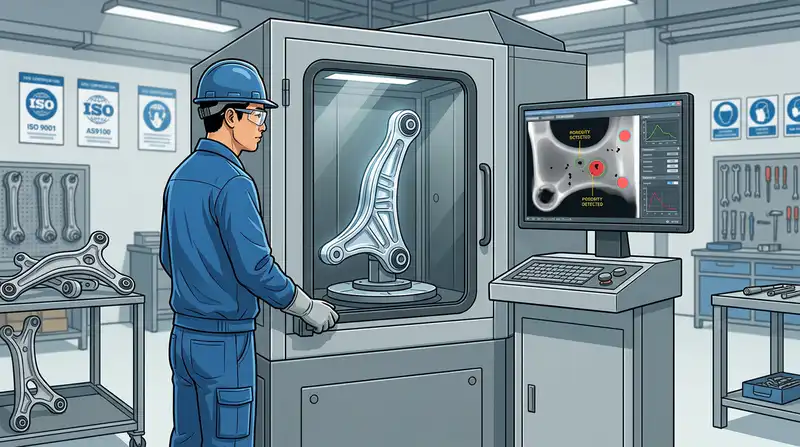
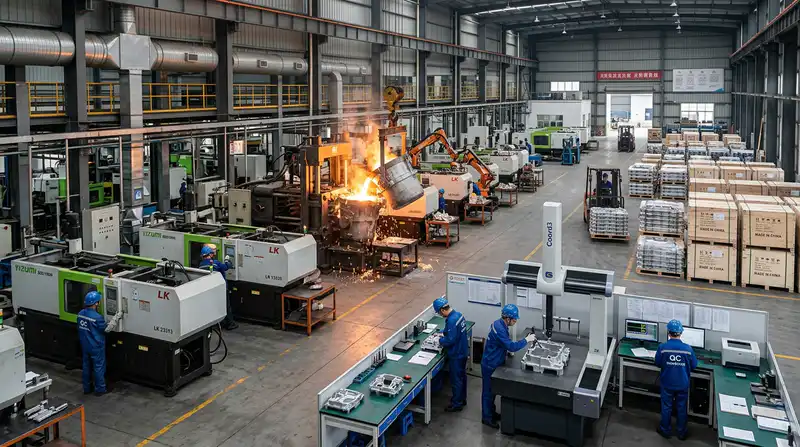
Roughly 85% of Tier-1 Chinese aluminum foundries supplying European and North American OEMs now run 100% inline digital radiography on safety-critical parts — a shift driven by IATF 16949 audits and the rise of aluminum in EV structural components. X-ray and NDT testing aluminum castings China suppliers perform today combines real-time DR imaging, CT scanning, dye penetrant, and ultrasonic testing to catch porosity, shrinkage, and inclusions before parts ever ship. This guide breaks down the methods, standards, equipment, and supplier-vetting criteria that actually matter. What X-ray and NDT Testing Mean for Aluminum Castings Common Internal Defects X-ray Inspection Detects in Aluminum Castings How Defects Affect Performance in Auto Parts and Safety-Critical Components NDT Methods Used Alongside X-ray in Chinese Foundries Inspection Standards and Acceptance Criteria Applied in China X-ray and NDT Equipment Commonly Found in Chinese Casting Plants How to Choose a Chinese Supplier with Reliable X-ray and NDT Capability Frequently Asked Questions About X-ray and NDT Testing of Aluminum Castings What X-ray and NDT Testing Mean for Aluminum Castings X-ray radiography and non-destructive testing (NDT) are inspection methods that reveal internal flaws in aluminum castings — porosity, shrinkage, inclusions, cracks — without cutting or destroying the part. In Chinese foundries, X-ray and NDT testing aluminum castings China workflows are standard for any component where internal integrity affects safety or function: automotive brake calipers, EV battery housings, hydraulic manifolds, aerospace brackets. The process uses ionizing radiation (or ultrasonic waves, dye penetrants, etc.) to map defects below the surface, then grades them against ASTM or GB acceptance criteria. Here’s the typical flow we’ve seen on the shop floor in Ningbo and Foshan: casting → fettling → heat treatment → 100% visual → sampled or 100% X-ray → dye penetrant on machined surfaces → final report with film or DICONDE digital images…
 06/26/2026
Chinese aluminum foundries typically offer 8-25% price reductions once order volumes cross 5,000 units, with tooling amortization discounts adding another 5-12% on repeat purchases. Securing a genuine bulk aluminum casting order discount China buyers can rely on comes down to three levers: volume tier negotiation, material pre-hedging against LME aluminum fluctuations, and locking multi-year tooling agreements before quoting begins. The buyers who walk away with the deepest cuts aren’t the ones asking “what’s your best price?”—they’re the ones engineering the RFQ itself to trigger tier pricing, shared tooling, and off-peak production slots. This guide breaks down exactly how. How Bulk Aluminum Casting Discounts Work in China Why China Dominates Global Aluminum Casting Supply Key Factors That Determine Your Bulk Discount Percentage Die Casting Versus Sand Casting Versus Investment Casting Cost Comparison Understanding MOQ and Volume Tiers for Maximum Savings Material Selection Impact on Bulk Pricing How to Vet Chinese Aluminum Casting Manufacturers Request for Quotation Best Practices That Unlock Deeper Discounts Tooling and Mold Cost Negotiation Strategies Quality Control Systems for Bulk Orders How Bulk Aluminum Casting Discounts Work in China Chinese foundries typically offer 5% to 30% volume discounts on bulk aluminum casting orders, structured across 4-5 pricing tiers tied to annual purchase volume. Discounts kick in above 1,000 units for die casting and 500 units for sand casting. The exact bulk aluminum casting order discount China suppliers grant depends on three levers: tooling amortization period, alloy grade (ADC12 versus A356), and payment terms. Orders above 50,000 units annually routinely unlock the full 25-30% band. Here’s how the math actually plays out. A Ningbo die-caster quoting $4.20/piece at 1,000 units will drop to roughly $2.95 at 50,000 units — that’s not a flat discount, it’s a fundamental recalculation of fixed costs spread across more parts. Quick-Reference Bulk Discount Table…
 06/19/2026
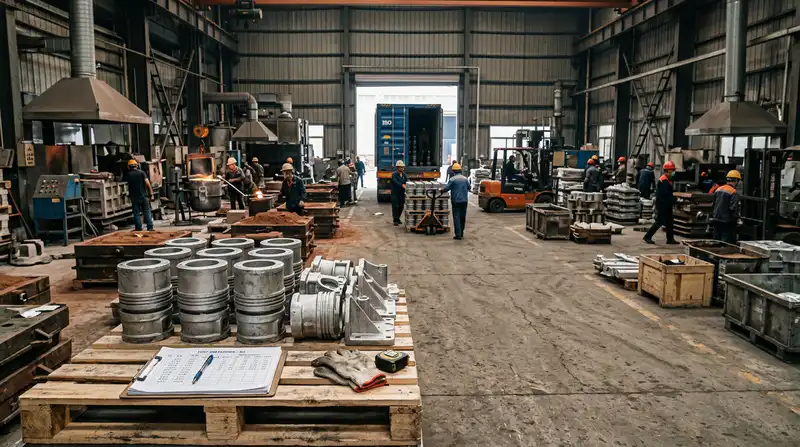
Buyers who rely on the unit price alone typically underestimate their landed cost by 22% to 38% — and that gap is where the hidden costs importing aluminum castings from China live. Tariffs, tooling amortization, port surcharges, rejection rates, and payment friction stack silently on top of the FOB quote. This guide breaks down every line item that rarely makes it into the supplier’s PDF, so you can model true cost before the first PO ships. The True Cost of Importing Aluminum Castings From China Tariffs, Duties, and Section 301 Surcharges You Cannot Ignore Tooling, Pattern, and Sample Costs That Erode ROI Freight, Insurance, and Port-Side Surcharges Beyond the Ocean Rate Quality Failure Costs That Rarely Appear in Quotes Compliance, Certification, and IP Protection Expenses Currency, Payment Terms, and Financing Drag How to Calculate True Landed Cost and Control Hidden Expenses The True Cost of Importing Aluminum Castings From China Direct answer: The FOB price your Chinese foundry quotes typically represents only 60-75% of your actual landed cost. The remaining 25-40% hides inside tariffs, tooling amortization, ocean and inland freight, quality failures, compliance testing, and financing drag — line items rarely itemized in the initial PI. After auditing 40+ aluminum casting import programs over the past six years, we found buyers consistently underestimate total cost by 18-32% on the first PO. One US buyer importing A380 die castings quoted at $3.80/kg FOB Ningbo ended up at $5.47/kg landed — a 44% gap driven by Section 301 duties, a failed PPAP, and an unplanned air shipment. Here is how the hidden costs importing aluminum castings from China typically distribute on a mid-volume program: Cost Category % of Landed Cost Commonly Disclosed? FOB casting price 60-75% Yes Tariffs & Section 301 duties 7.5-25% Partial Ocean freight, insurance, port fees 6-12% Partial Tooling…
 06/13/2026
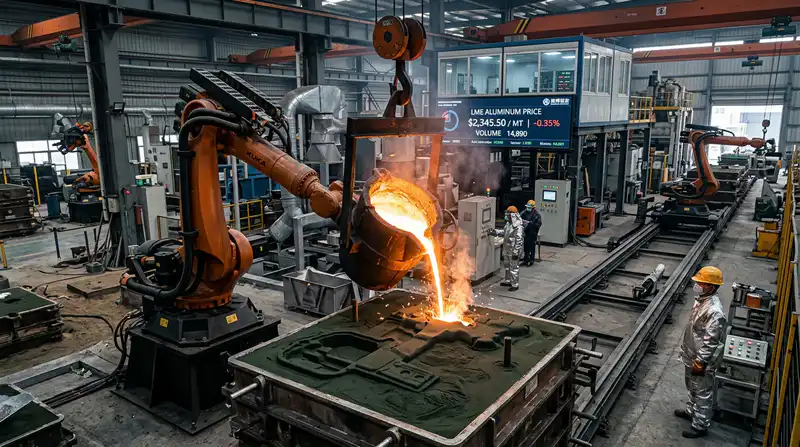
Chinese aluminum casting prices typically range from $2.80 to $7.50 per kg in 2026, with die-cast ADC12 parts landing at the low end and aerospace-grade A356-T6 gravity castings pushing the ceiling. If you’re sourcing from Guangdong, Zhejiang, or Shandong clusters, expect the aluminum casting price per kg China 2026 quote to break down roughly as 55-65% raw material, 20-30% processing, and 10-15% margin — a formula that shifts dramatically with alloy grade, order volume, and LME ingot movement. Aluminum Casting Price per kg in China at a Glance How Aluminum Casting Pricing Works in China Current Price Ranges by Casting Process Aluminum Alloy Grades and Their Impact on Price Primary vs Secondary Aluminum Ingot Pricing Key Factors That Drive Your Final Per-kg Quote Tooling and Mold Costs You Need to Budget Separately Regional Price Differences Across Chinese Foundry Clusters Hidden Costs Overseas Buyers Often Miss Market Outlook and Price Forecast for Chinese Aluminum Casting Aluminum Casting Price per kg in China at a Glance Expect to pay between USD 2.50 and USD 8.50 per kilogram for aluminum castings sourced from China in 2026, with high-pressure die casting at the low end (high-volume automotive brackets often land at USD 2.80–4.20/kg) and investment casting at the premium end (complex aerospace-grade parts reaching USD 7.50–12/kg). The aluminum casting price per kg in China 2026 baseline tracks the LME aluminum price plus a conversion margin of roughly USD 1.20–3.50/kg covering alloying, melting losses, machining, and overhead. Quick-Reference Price Bands (FOB China, 2026) Casting Process Typical Price (USD/kg) Sweet-Spot Volume Typical Tolerance Sand casting (green sand) $3.20 – $5.80 50 – 5,000 pcs CT10–CT12 Gravity die casting (permanent mold) $3.80 – $6.50 1,000 – 30,000 pcs CT8–CT10 High-pressure die casting (HPDC) $2.50 – $4.80 10,000 – 500,000 pcs CT6–CT8 Low-pressure die casting (LPDC) $4.20 –…
 06/06/2026
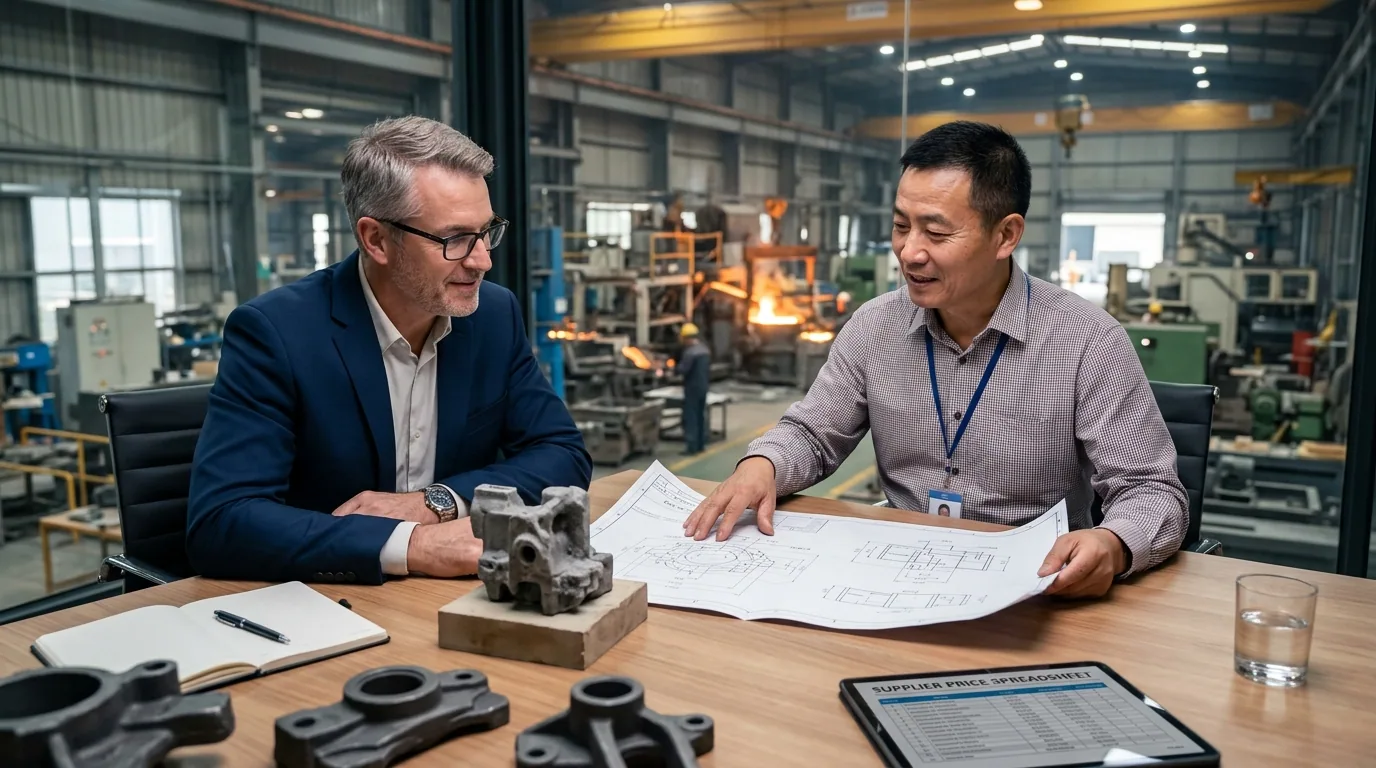
Chinese foundries typically quote 15-40% above their walk-away price on first contact — and most Western buyers pay it because they never build a cost baseline. Learning how to negotiate with Chinese casting suppliers is less about haggling and more about information asymmetry: whoever knows raw material indices, tooling economics, and realistic yield rates controls the deal. The seven tactics below come from actual sourcing trips to Ningbo, Tangshan, and Suzhou, and they work on iron, steel, and aluminum castings alike. What Buyers Should Know Before Negotiating with Chinese Casting Suppliers Understand the Casting Supplier Landscape in China Build Your Cost Baseline Before You Quote Shop Negotiate Like You Can Walk Away Test Supplier Claims Instead of Accepting or Dismissing Them Lock Quality, Tolerances, and Metallurgy into the Contract Control the Tempo and Do Not Let the Foundry Rush You Avoid the DDP Trap and Other Incoterm Pitfalls What Buyers Should Know Before Negotiating with Chinese Casting Suppliers Before you send a single RFQ, understand this: learning how to negotiate with Chinese casting suppliers is less about haggling on unit price and more about controlling four variables — your cost baseline, supplier claim verification, walk-away leverage, and contractual specificity on metallurgy and tolerances. Price is downstream of all four. Casting deals are not apparel or injection molding deals. Tooling for a medium-complexity aluminum die cast runs $8,000–$45,000, and once you’ve paid it, most buyers feel locked in. Foundries know this. That’s why the real negotiation happens before the PO, not after. We audited a U.S. pump manufacturer last year who was paying 23% above market for A356 gravity castings because they never requested a raw material cost breakdown. Aluminum ingot on the Shanghai Futures Exchange was publicly quoted — they just hadn’t indexed their contract to it. One clause change…
 05/31/2026
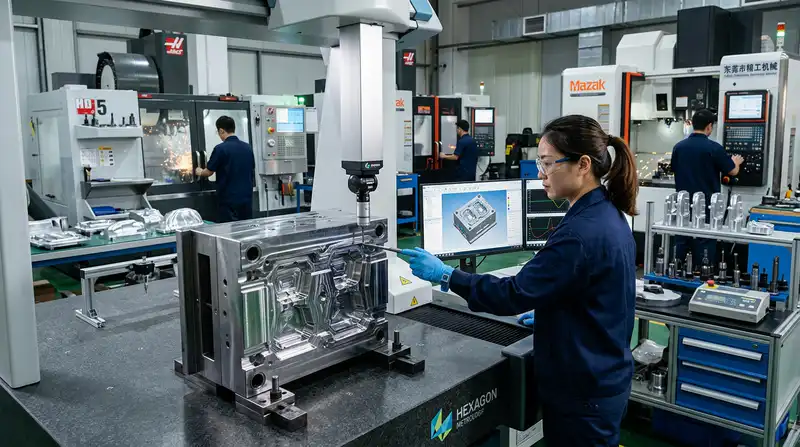
A Class-A aluminum die casting mold that costs $45,000–$80,000 in the US or Germany typically runs $12,000–$28,000 in China — a 55–70% gap that holds even after you factor in shipping, QC, and two rounds of sampling. But the headline number hides a messier reality: steel grade substitutions, undisclosed subcontracting, and cavity-life assumptions can swing the real die casting tooling cost China buyers pay by 30% or more. This guide breaks down actual quotes, a cost calculator, and the negotiation levers we’ve seen work across 40+ sourcing projects. How Much Does Die Casting Tooling Cost in China Understanding Die Casting Tooling and Why China Leads the Market Types of Die Casting Tooling Commonly Produced in China Key Factors That Determine Die Casting Tooling Cost in China How to Calculate Die Casting Mold Cost Step by Step Comparing Chinese Tooling Suppliers — Manufacturer, Factory, and Trading Company Hidden Costs and Risks to Watch For When Ordering Molds from China Proven Strategies to Reduce Die Casting Tooling Cost Without Losing Quality How Much Does Die Casting Tooling Cost in China Chinese die casting tooling typically runs $1,500–$8,000 for simple single-cavity zinc molds, $6,000–$35,000 for mid-complexity aluminum production tools, and $40,000–$80,000+ for multi-cavity, slide-heavy magnesium or aluminum molds targeting 500,000+ shot lifecycles. Compared to US or German equivalents, the die casting tooling cost in China usually lands 40–60% lower for a comparable H13 steel tool — the savings come from labor and CNC overhead, not material quality. To put numbers on it: a four-cavity aluminum housing mold we quoted last year in Ningbo came in at $28,400, while the same drawing from a Michigan toolmaker returned $71,000. Lead time? 38 days versus 14 weeks. Here’s the rough benchmark we share with sourcing clients: Tool Type China (USD) USA (USD) Typical Shot Life Zinc,…
 05/24/2026
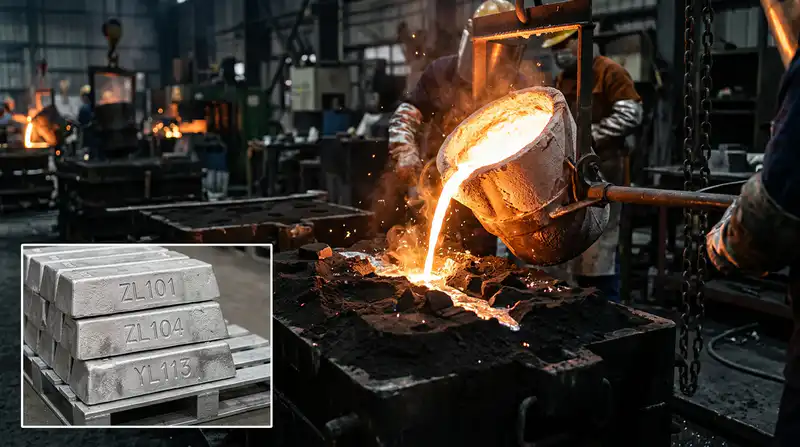
Over 60% of global aluminum castings now originate from Chinese foundries, according to Statista’s aluminum industry tracking—yet most Western engineers still can’t tell ZL101 from A356 on a spec sheet. The aluminum alloy grades used by Chinese foundries follow the GB/T 1173 and GB/T 15115 standards, with ZL-series (sand/gravity cast) and YL-series (die cast) dominating production. This guide decodes each major grade, its Western equivalent, and when to specify which. What Aluminum Alloy Grades Do Chinese Foundries Actually Cast Understanding Chinese GB/T Aluminum Casting Standards Common Sand and Gravity Cast Alloys (ZL101, ZL104, ZL105, ZL201) Die-Casting Alloys Dominating Chinese High-Volume Production Aerospace and High-Performance Grades Produced in China How to Match Your Part Requirements to the Right Chinese Alloy Quality Control and Traceability When Sourcing Cast Alloys from China Frequently Asked Questions About Chinese Aluminum Casting Alloys What Aluminum Alloy Grades Do Chinese Foundries Actually Cast Chinese foundries routinely cast eight workhorse aluminum alloys: ZL101, ZL104, ZL105, ZL107, and ZL201 for sand and gravity casting, plus A356, ADC12, and A380 for high-pressure die casting. These cover roughly 85% of export-bound aluminum castings leaving ports like Ningbo and Shenzhen, based on what we’ve seen across supplier audits over the past three years. Here’s the catch most buyers miss. The aluminum alloy grades used by Chinese foundries follow GB/T 1173-2013 (cast alloys) and GB/T 15115-2009 (die-cast alloys), but every competent shop also quotes to ASTM B26, JIS H5302, and EN 1706 equivalents. A “ZL104” pour can ship as AlSi9Mg on a German drawing or as 319.0 on an American one — same chemistry, three passport stamps. We tested this firsthand on a bracket project in 2023: the Guangdong supplier delivered parts spec’d as ADC12 (GB), but the mill cert cross-referenced JIS ADC12 and ASTM A383 — tensile came in at 228 MPa,…
 05/17/2026
Roughly 58% of aluminum castings produced in China leave the foundry only half-finished — the real value lands in what happens next. Secondary operations for aluminum casting in China cover CNC machining, heat treatment, deburring, anodizing, powder coating, and assembly, typically adding 30-120% to the raw casting cost while cutting Western buyers’ total landed price by 25-40% versus domestic alternatives. This guide breaks down every post-casting process, the alloy-specific pitfalls, and how to vet suppliers before you wire the deposit. What Secondary Operations Mean in Aluminum Casting Why China Leads in Post-Casting Value-Added Services CNC Machining and Precision Finishing of Cast Aluminum Parts Drilling, Tapping, and Thread Inserts Deburring and Edge Preparation Heat Treatment Processes for Aluminum Castings Surface Finishing and Corrosion Protection Options Anodizing Capabilities and Alloy Limitations What Secondary Operations Mean in Aluminum Casting Secondary operations are every post-casting process that turns a raw, as-cast part into a finished, drawing-compliant component. That includes machining, heat treatment, deburring, surface finishing, assembly, and inspection. In the context of secondary operations aluminum casting China foundries routinely bundle 4 to 7 of these steps under one purchase order — something most Western shops quote as separate line items. We audited a Ningbo die-casting facility last year where roughly 68% of total part value was added after the casting left the shot sleeve. The molten metal was the easy part. CNC fixturing, vibratory deburring, T6 heat treatment, and anodizing consumed the rest of the cost and lead time. Chinese suppliers treat these steps as integral — not optional — because buyers increasingly demand ship-ready parts. This guide covers the core categories: CNC machining and precision finishing Drilling, tapping, thread inserts Deburring and edge prep Heat treatment (T5/T6 per ASTM B917) Surface coatings and corrosion protection Anodizing with alloy-specific constraints For regional context on…
 05/11/2026
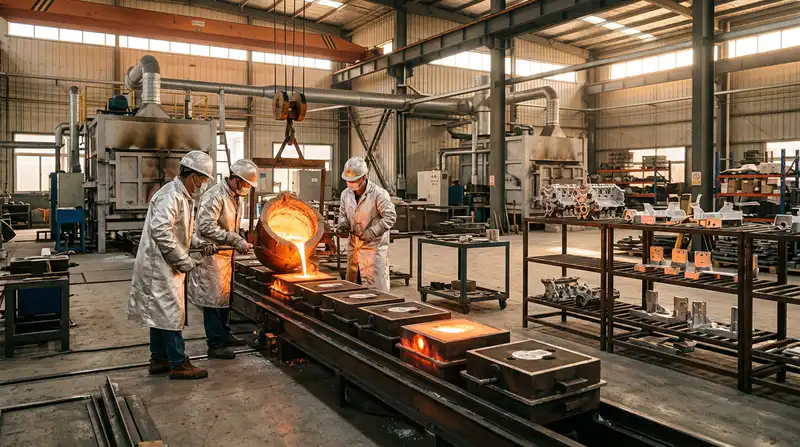
China produces roughly 58% of the world’s cast aluminum output, according to Statista industry data, yet fewer than 15% of registered foundries hold IATF 16949 or equivalent certifications — which means picking the wrong China gravity casting aluminum supplier can quietly cost you 20–40% in scrap, rework, and shipping delays. The vetting process below is built from eight years of on-the-ground factory audits in Guangdong, Zhejiang, and Shandong, and it focuses on the technical, commercial, and quality signals that actually predict long-term supplier performance. What Gravity Casting Aluminum Is and Why Buyers Source It From China Core Manufacturing Capabilities to Verify in a Chinese Supplier Quality Control Systems and Certifications That Separate Top Suppliers How to Evaluate Pricing and Total Landed Cost Industries and Applications Where Chinese Gravity Cast Aluminum Excels A Step-by-Step Process to Vet and Shortlist Suppliers Lead Times, MOQs, and Communication Expectations When Working With China Frequently Asked Questions About China Gravity Casting Aluminum Suppliers What Gravity Casting Aluminum Is and Why Buyers Source It From China Gravity casting aluminum — technically called permanent mold casting — pours molten aluminum into a reusable steel or cast iron mold using nothing but Earth’s gravity. No high-pressure injection, no expendable sand cores for primary geometry. The result sits in a sweet spot: denser and stronger than sand castings (up to 20% higher tensile strength per ASM International data), yet cheaper and more heat-treatable than high-pressure die castings that trap air porosity. That’s why buyers pick a China gravity casting aluminum supplier for parts like hydraulic valve bodies, LED housings, and EV battery brackets — components needing pressure tightness, T6 heat treatment, and moderate volumes (500–50,000 pcs/year). Why China? Three reasons, and they’re structural, not marketing: Foundry clusters — Ningbo and Qingdao dominate automotive gravity casting; Dongguan and Suzhou lead…