HKXCAST One-Stop Aluminum Alloy Product Solutions Provider Email :hkxcast@163.com
 10/14/2026
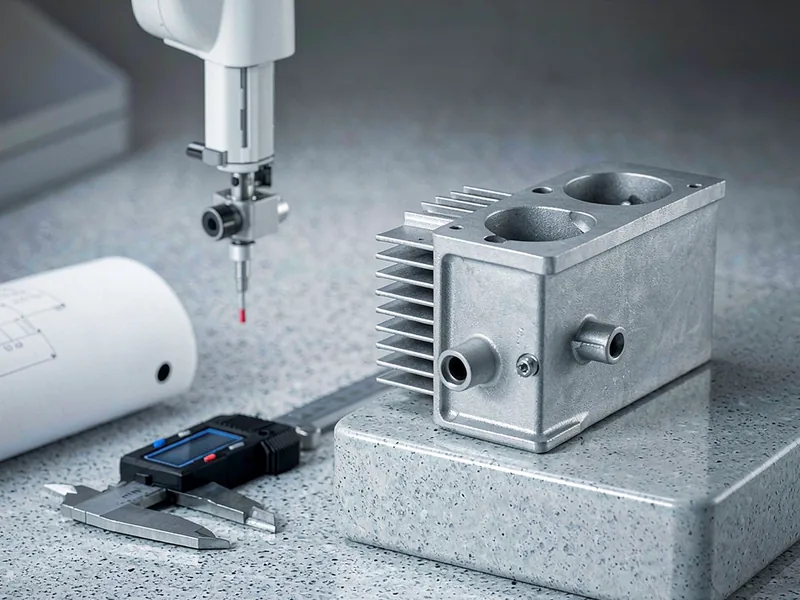
Die casting tolerances explained: NADCA Standard vs Precision limits, ISO 8062-3 CT grades, and how to spec tolerances that hold at volume.
 07/29/2026
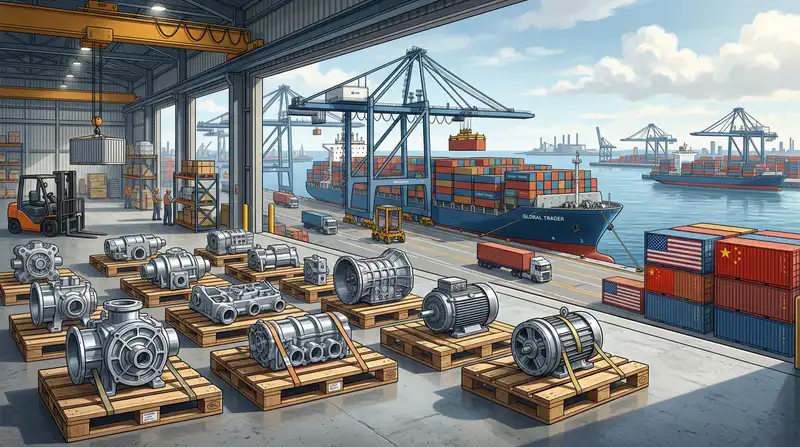
China produces roughly 40% of the world’s aluminum castings, and US importers can typically save 30-50% on unit costs versus domestic suppliers — but only if they navigate HTS classification, Section 301 tariffs, and supplier vetting correctly. This 7-step guide on how to import aluminum casti…
 07/22/2026
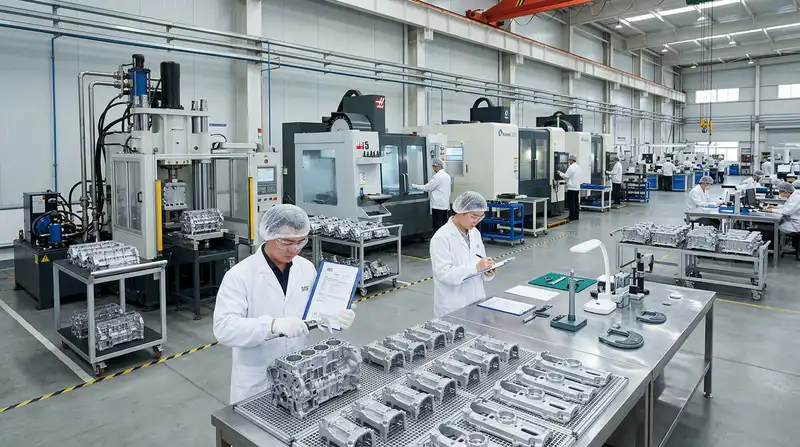
Roughly 68% of aluminum castings imported into the EU in 2023 required documented RoHS and REACH conformity, yet fewer than one in four Chinese foundries can produce valid third-party test reports on first request (source: SGS China industry briefing, 2023). Finding a genuinely RoHS REACH compliant …
 07/16/2026
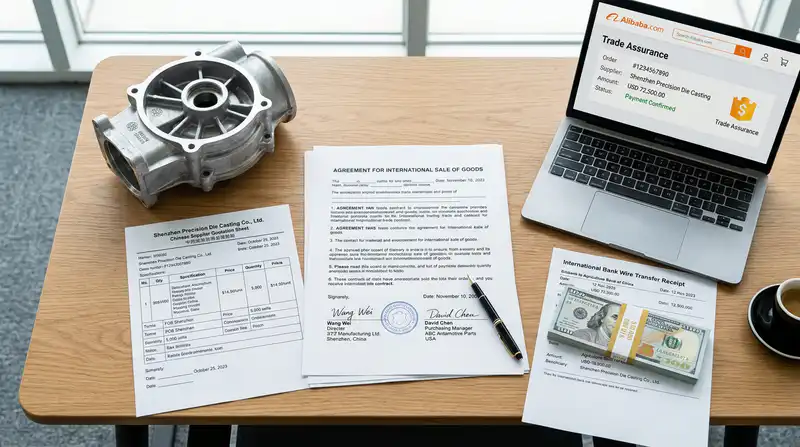
Nearly 34% of B2B buyers sourcing custom metal parts from China report at least one payment dispute per year, according to the International Trade Administration — and die casting projects top that list because tooling costs can exceed $15,000 before a single part ships. Securing smart aluminum die …
 07/09/2026
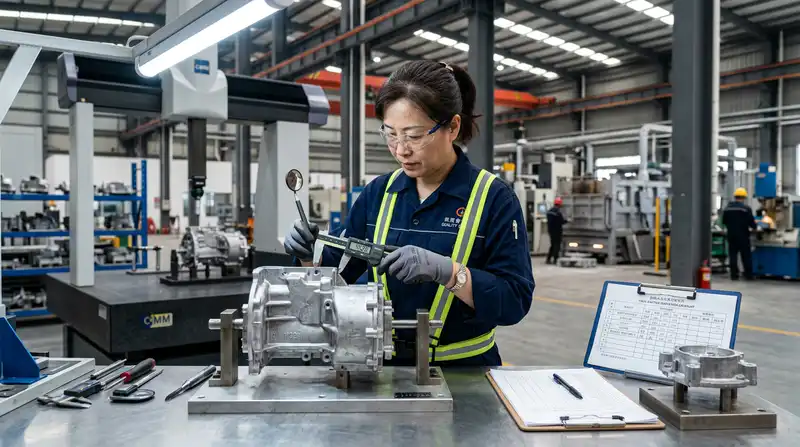
Nearly 18% of aluminum castings rejected at final assembly trace back to defects that a 20-minute pre-shipment inspection could have caught — porosity, shrinkage, and dimensional drift top the list. A proper aluminum casting quality inspection checklist China buyers can actually use covers five stag…
 07/03/2026
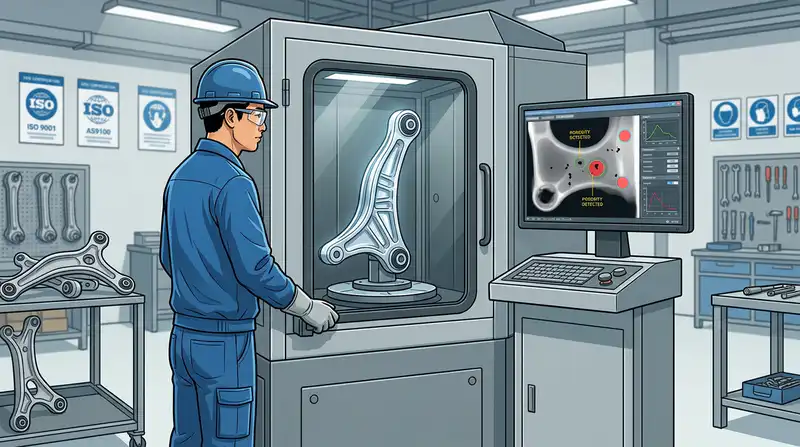
Roughly 85% of Tier-1 Chinese aluminum foundries supplying European and North American OEMs now run 100% inline digital radiography on safety-critical parts — a shift driven by IATF 16949 audits and the rise of aluminum in EV structural components. X-ray and NDT testing aluminum castings China suppl…
 06/26/2026
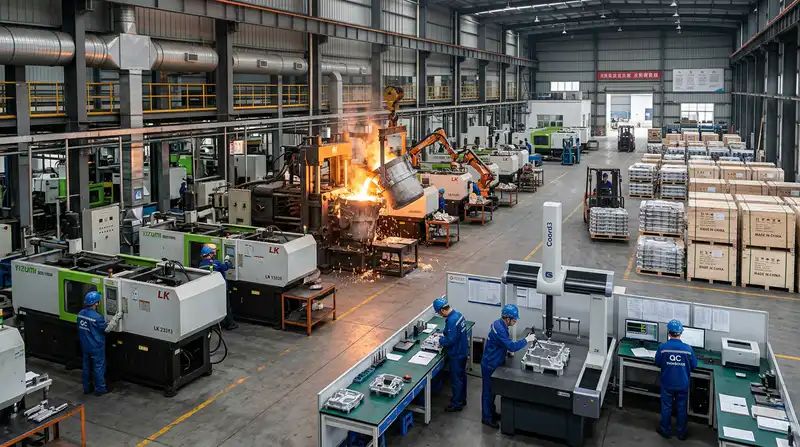
Chinese aluminum foundries typically offer 8-25% price reductions once order volumes cross 5,000 units, with tooling amortization discounts adding another 5-12% on repeat purchases. Securing a genuine bulk aluminum casting order discount China buyers can rely on comes down to three levers: volume ti…
 06/19/2026
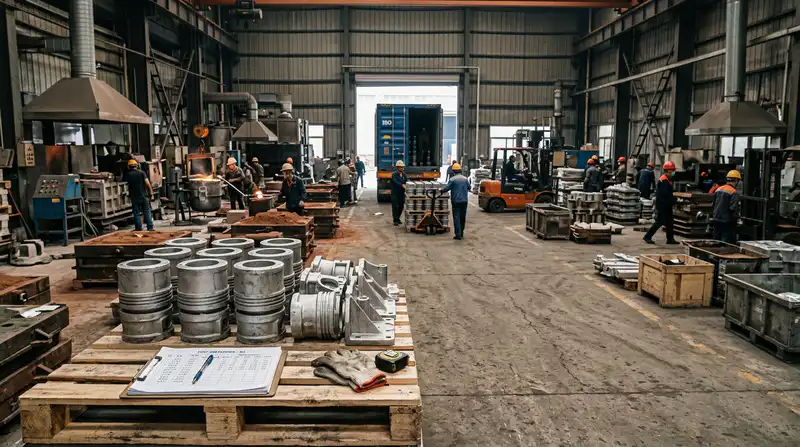
Buyers who rely on the unit price alone typically underestimate their landed cost by 22% to 38% — and that gap is where the hidden costs importing aluminum castings from China live. Tariffs, tooling amortization, port surcharges, rejection rates, and payment friction stack silently on top of the FOB…
 06/13/2026
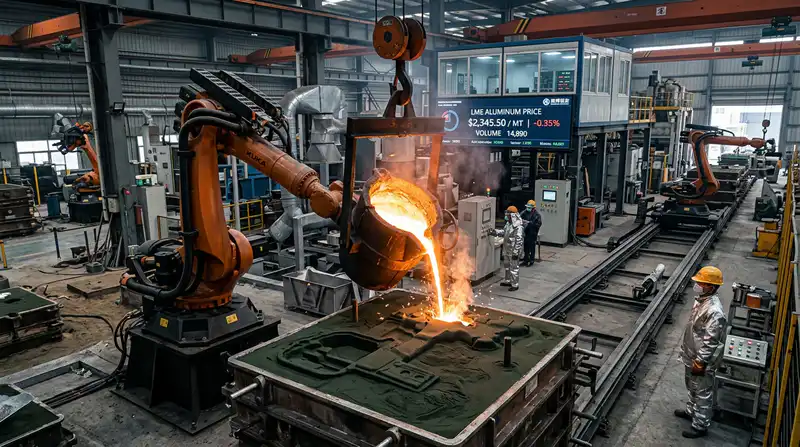
Chinese aluminum casting prices typically range from $2.80 to $7.50 per kg in 2026, with die-cast ADC12 parts landing at the low end and aerospace-grade A356-T6 gravity castings pushing the ceiling. If you’re sourcing from Guangdong, Zhejiang, or Shandong clusters, expect the aluminum casting …
 06/06/2026
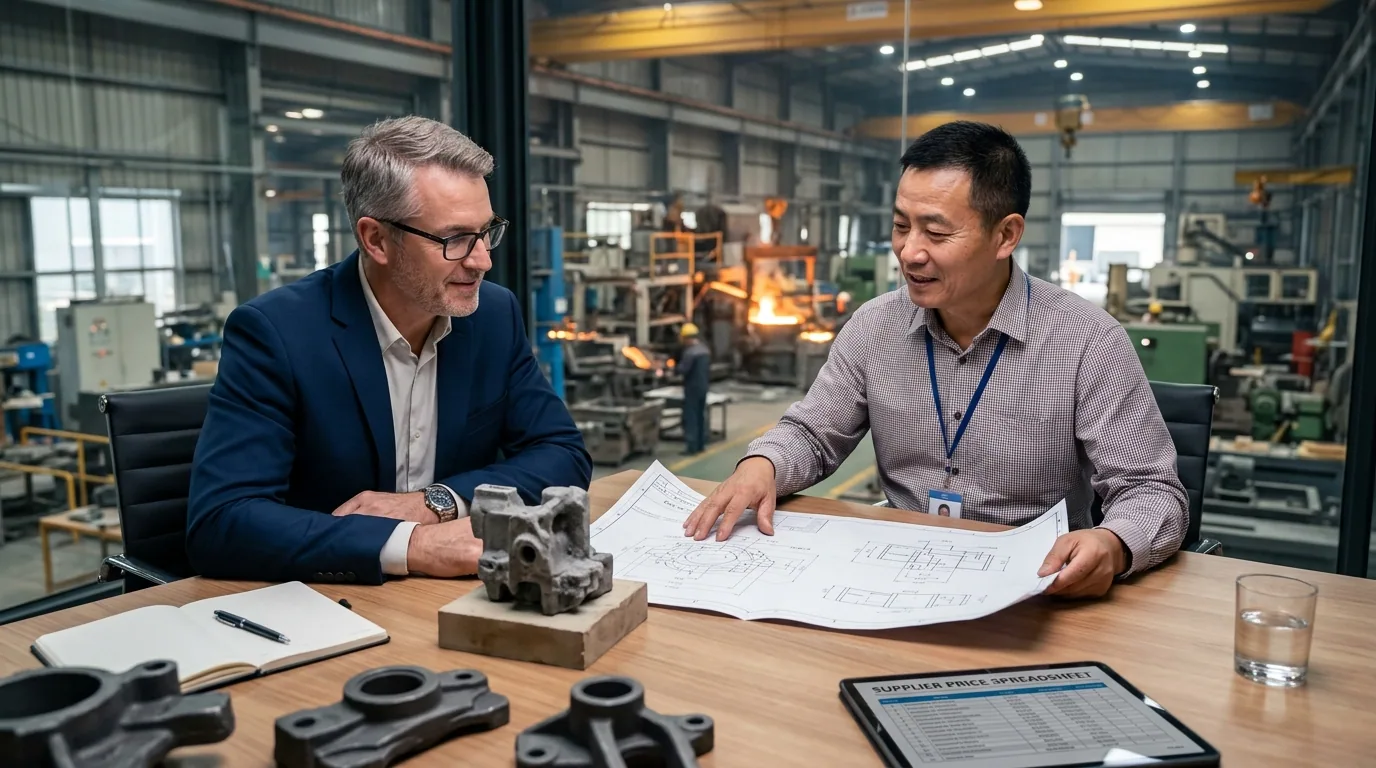
Chinese foundries typically quote 15-40% above their walk-away price on first contact — and most Western buyers pay it because they never build a cost baseline. Learning how to negotiate with Chinese casting suppliers is less about haggling and more about information asymmetry: whoever knows raw mat…
 05/31/2026
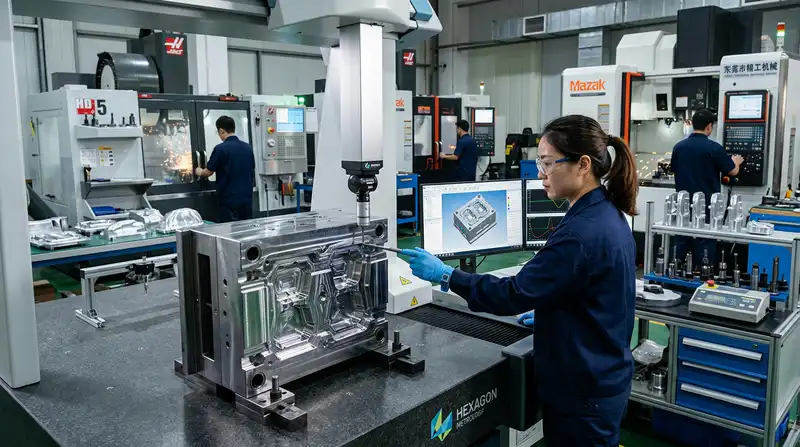
A Class-A aluminum die casting mold that costs $45,000–$80,000 in the US or Germany typically runs $12,000–$28,000 in China — a 55–70% gap that holds even after you factor in shipping, QC, and two rounds of sampling. But the headline number hides a messier reality: steel grade substitutions, undiscl…
 05/24/2026
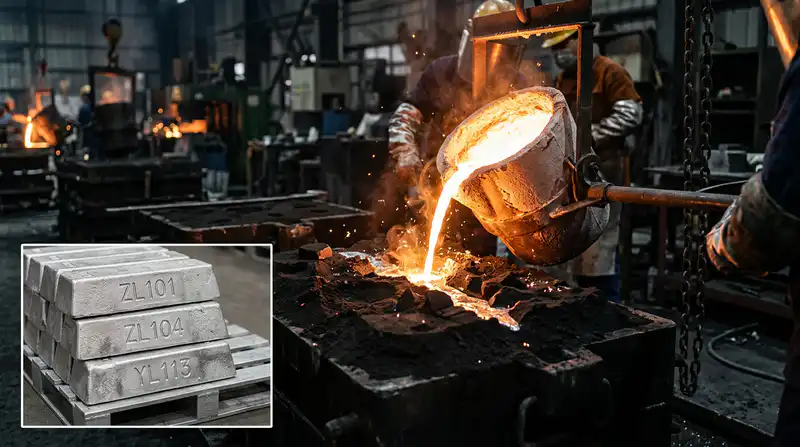
Over 60% of global aluminum castings now originate from Chinese foundries, according to Statista’s aluminum industry tracking—yet most Western engineers still can’t tell ZL101 from A356 on a spec sheet. The aluminum alloy grades used by Chinese foundries follow the GB/T 1173 and GB/T 151…