HKXCAST One-Stop Aluminum Alloy Product Solutions Provider Email :hkxcast@163.com
 10/24/2026
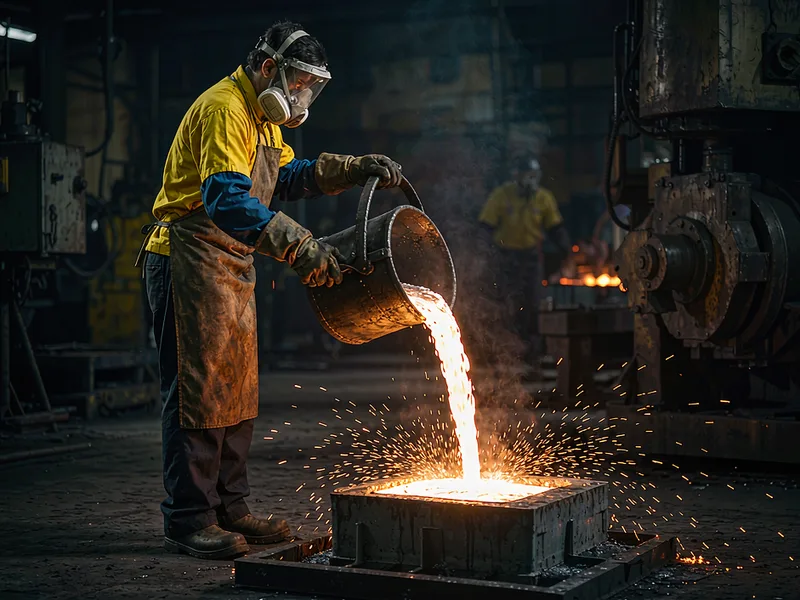
Sand casting vs die casting: tooling, piece price and the 2,000-10,000 part break-even, plus how tolerance and wall thickness shift the crossover.
 10/23/2026
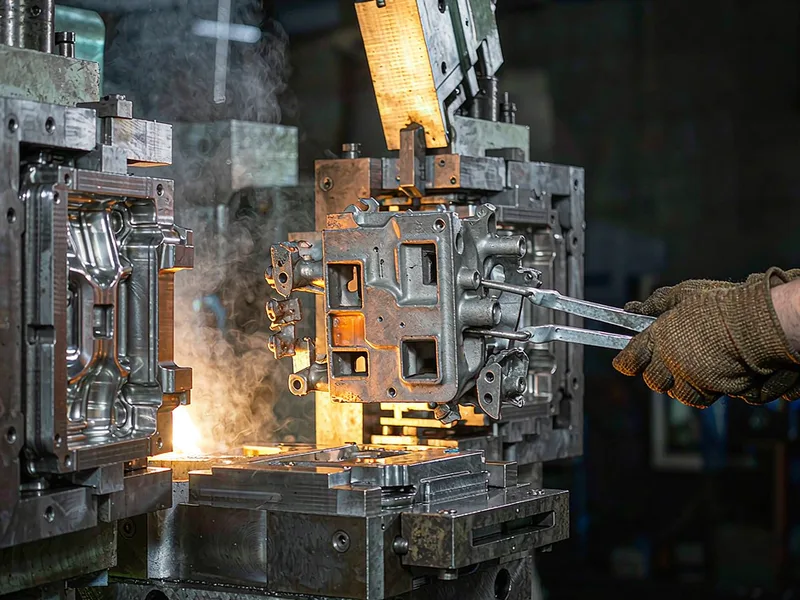
Die casting machine tonnage sizing from 280T to 4000T. Learn the clamp force formula, projected area, safety factors, and how to match machine size to part.
 10/22/2026
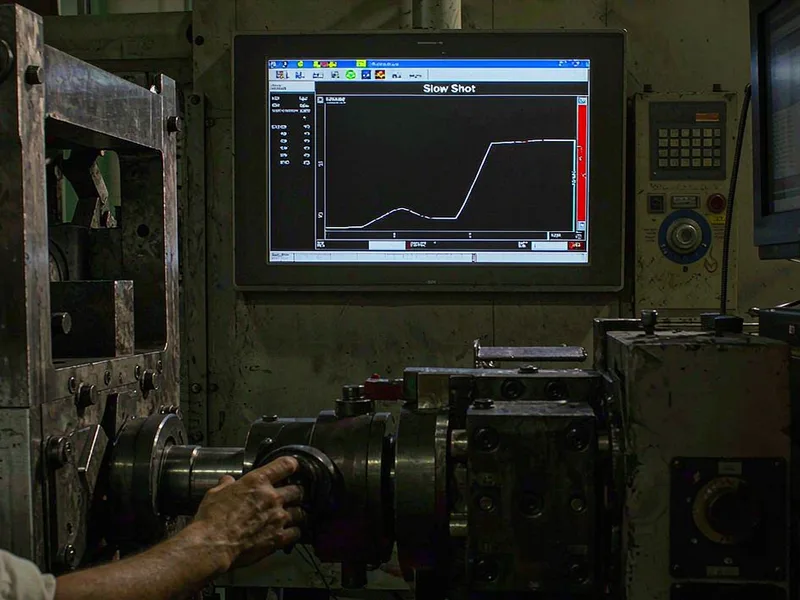
Die casting intensification pressure packs metal against shrinkage in the third HPDC phase. Learn setting ranges, timing rules, and how to verify soundness.
 10/21/2026
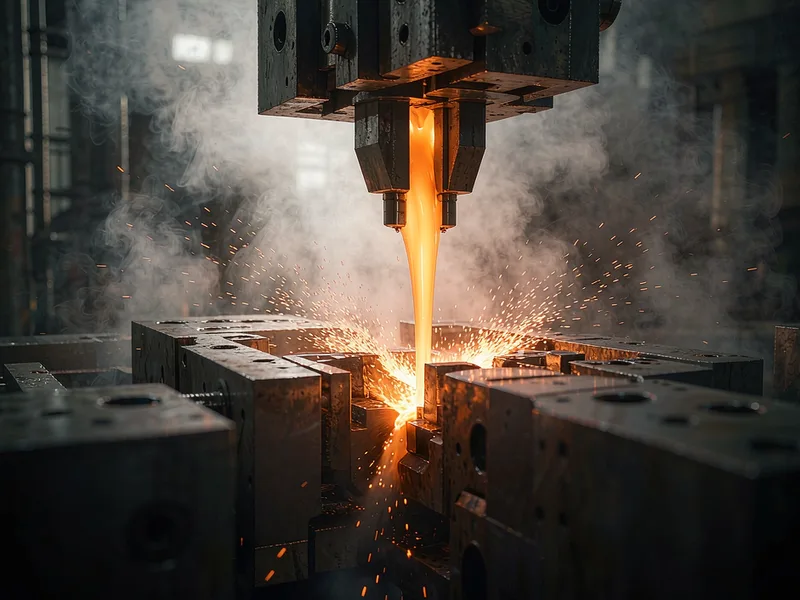
Gate velocity in HPDC: why 30-60 m/s works, how to hit it with shot speed and gate size, and how shot curve monitoring keeps porosity down.
 10/20/2026
Die casting simulation shows fill pattern, air traps and porosity before tooling is cut. See which mold flow predictions to trust and which to verify by trial shot.
 10/19/2026
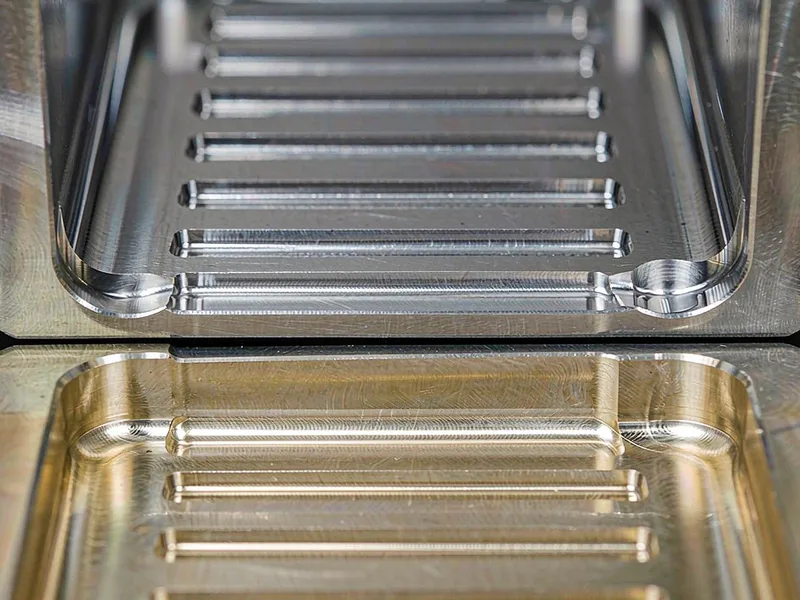
Die casting venting design guide: vent depth rules, overflow sizing, vacuum assist, and vent maintenance that keep porosity out of your castings.
 10/18/2026
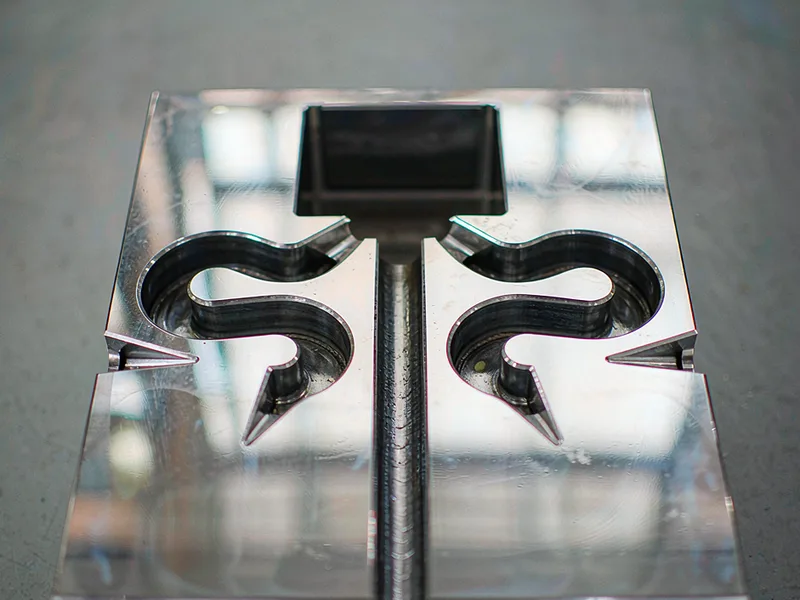
Die casting gating design guide: gate sizing, gate velocity, runner balancing, and fill patterns that stop cold shuts, jet flow, and porosity in HPDC.
 10/17/2026
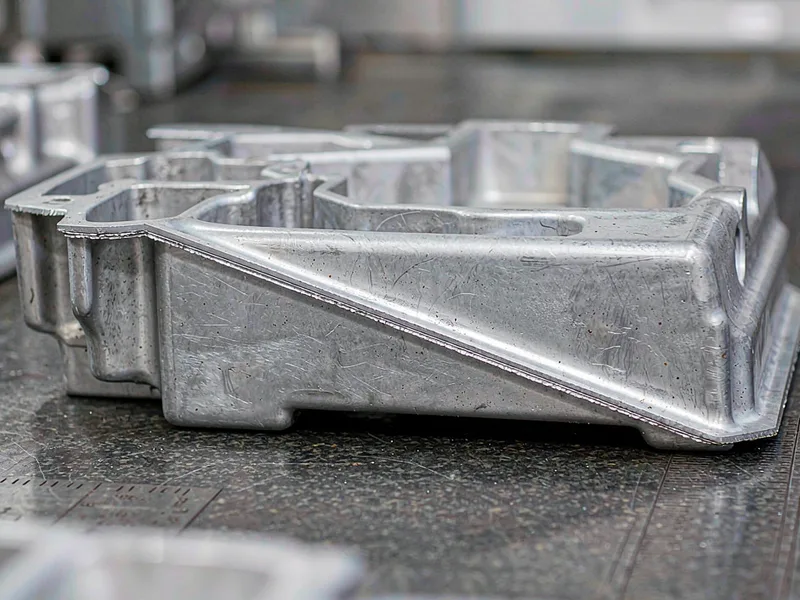
Die casting parting line design guide: where to split the mold, flat vs stepped lines, flash control, slide costs and tolerance rules that cut tooling cost.
 10/16/2026
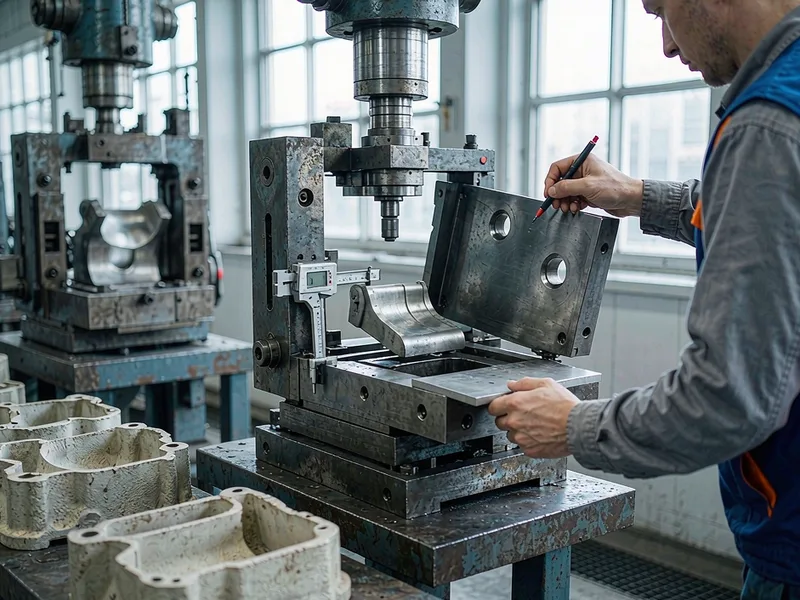
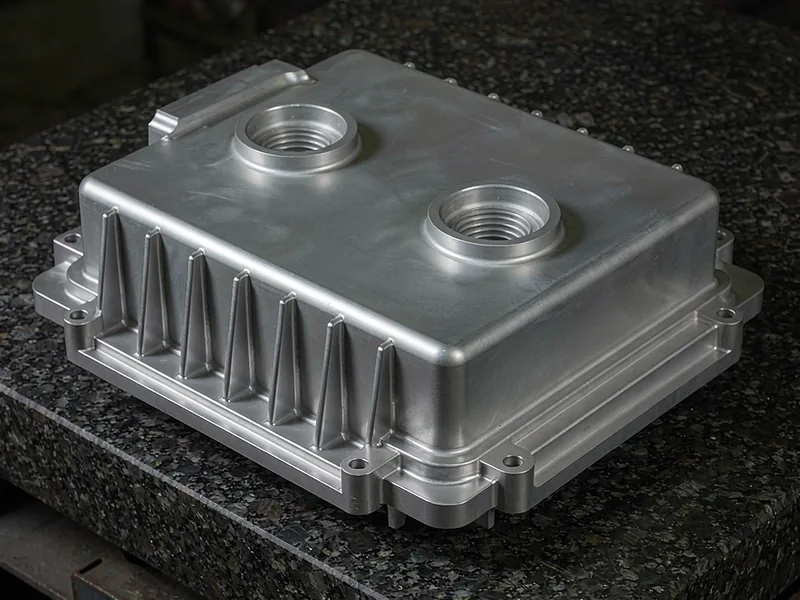
Die casting draft angle guide: 1.5-2 degrees outside walls, 2-3 degrees on cores, plus texture, shrinkage and slide rules for cleaner release.
 10/15/2026
Minimum wall thickness for aluminum die casting: working numbers by alloy and size, design rules for ribs and bosses, and the real cost of going too thin.
 10/14/2026
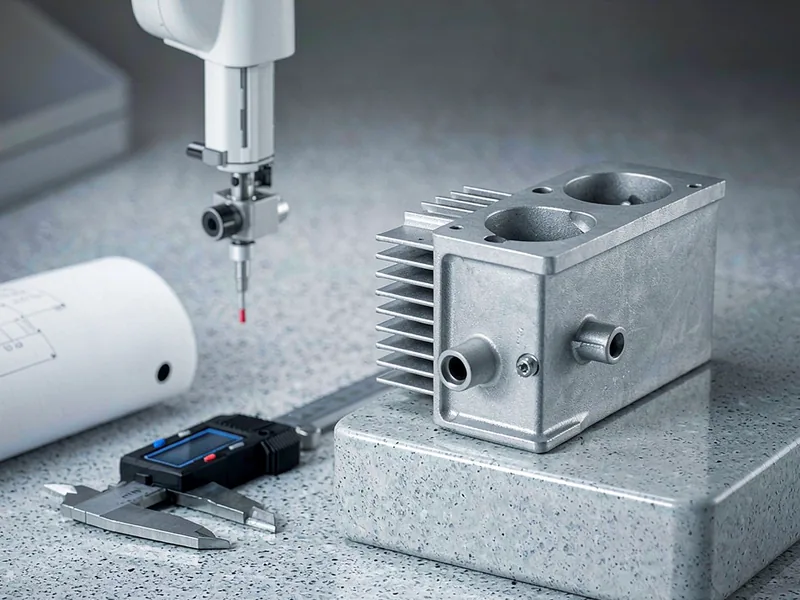
Die casting tolerances explained: NADCA Standard vs Precision limits, ISO 8062-3 CT grades, and how to spec tolerances that hold at volume.
 07/29/2026
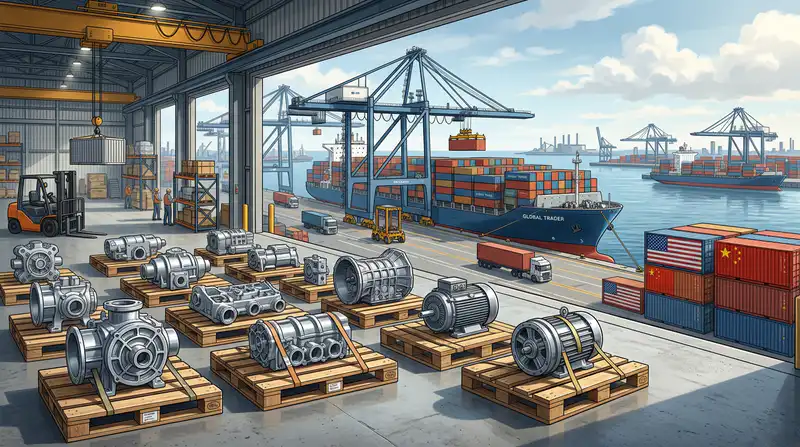
China produces roughly 40% of the world’s aluminum castings, and US importers can typically save 30-50% on unit costs versus domestic suppliers — but only if they navigate HTS classification, Section 301 tariffs, and supplier vetting correctly. This 7-step guide on how to import aluminum castings from China to USA walks through every critical decision, from choosing between die casting and sand casting to clearing CBP without costly delays. Expect to spend 8-14 weeks from first RFQ to warehouse delivery on a new program. Get any single step wrong — wrong HTS code, weak PPAP documentation, or an FOB term you didn’t understand — and margins evaporate fast. Quick Answer on Importing Aluminum Castings from China Understanding Aluminum Casting Types and Specifications Before Sourcing How to Find and Vet Reliable Aluminum Casting Suppliers in China Navigating US Tariffs, HTS Codes, and Section 301 Duties on Aluminum Castings Quality Control Inspection and Testing Protocols Shipping, Incoterms, and Customs Clearance Logistics Managing Payment Terms Contracts and Intellectual Property Risks Frequently Asked Questions About Importing Aluminum Castings from China Quick Answer on Importing Aluminum Castings from China Importing aluminum castings from China to the USA takes 10-16 weeks end-to-end and typically costs 30-50% less than domestic US foundries, even after Section 301 tariffs. The core process: define casting specs (alloy, tolerance, finish), vet foundries with audits and ISO 9001 verification, order pre-production samples, lock terms via a bilingual contract, inspect before shipment, then handle ocean freight and customs clearance under HTS code 7616.99.51 (most aluminum castings). Here’s the 7-step workflow we use for first-time buyers: Specs lockdown (Week 1-2): Drawings, alloy grade (e.g., A356, ADC12), AQL level Supplier vetting (Week 2-4): Shortlist 3-5 foundries, run ITA due diligence checks Sampling (Week 4-8): T1 samples + dimensional report Contract & deposit (Week 8-9): 30%…