HKXCAST One-Stop Aluminum Alloy Product Solutions Provider Email :hkxcast@163.com
 05/04/2026
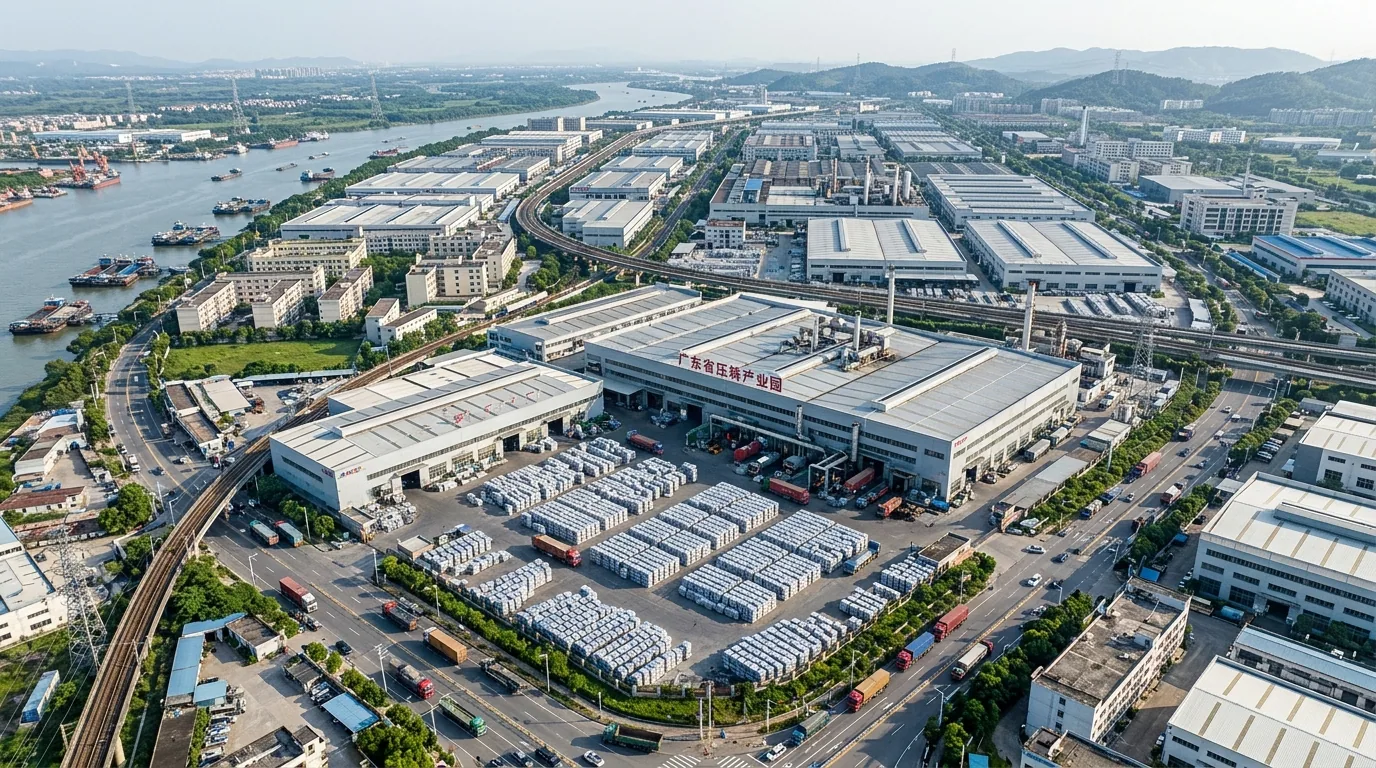
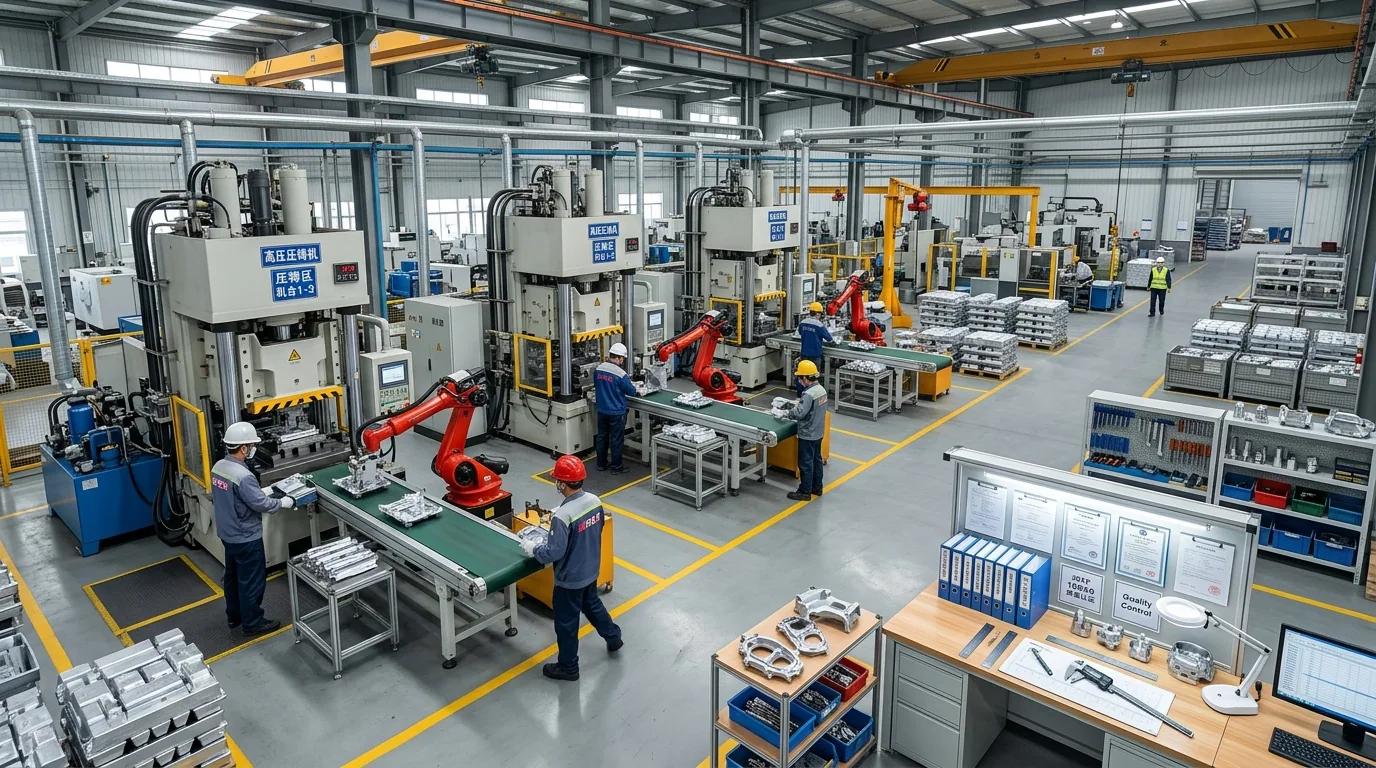
China produces roughly 58% of the world’s cast aluminum output, and that production is not evenly spread — it concentrates in four or five industrial belts with very different specializations. If you’re sourcing parts, the top aluminum casting regions in China each solve a different problem: Guangdong dominates high-volume die casting, Zhejiang owns precision automotive components, Jiangsu handles high-end industrial work, and Shandong leads in heavy sand-cast parts. Pick the wrong region and you’ll overpay by 20–40% or miss your tolerance window entirely. This guide breaks down where each cluster formed, what it does best, and how to match your project to the right supplier base — based on foundry visits, RFQ benchmarks, and real production data. Why China Dominates Global Aluminum Casting Production The top aluminum casting regions in China are Guangdong, Zhejiang, Jiangsu, Shandong, and Shanghai — five provinces that together account for roughly 70% of national output. China produces over 40% of the world’s aluminum castings by volume, driven by a mature supply chain, concentrated industry clusters, and a workforce trained specifically in high-pressure die casting (HPDC), gravity casting, and sand casting processes. Why this dominance? Three structural advantages compound. First, raw material access: China is the world’s largest primary aluminum producer, outputting around 41 million tonnes in 2023 according to the USGS Mineral Commodity Summaries. Second, cluster economics — in Ningbo or Foshan, a die caster can source molds, alloy ingots, CNC finishing, and anodizing within a 30 km radius, cutting lead times by 40-60% versus fragmented supply bases. Third, labor specialization. We visited a Foshan facility in 2023 running 280-ton to 1,650-ton cold chamber machines, and every shift had dedicated die-setters with 10+ years of ADC12 alloy experience — a depth of tacit knowledge that Western shops simply can’t staff at comparable cost. For buyers weighing process options before…
 04/27/2026
Roughly 40% of global aluminum casting output comes from China, yet a 2023 Asia Inspection report flagged that 1 in 5 first-time buyers received parts failing dimensional or porosity specs. Knowing how to verify a Chinese aluminum casting factory before wiring a deposit is the single biggest lever for protecting margins and tooling investments. This 7-step framework covers legal checks, technical audits, sample validation, and reference vetting — the same sequence procurement teams at tier-1 automotive and industrial buyers actually use. Quick Answer on Verifying a Chinese Aluminum Casting Factory Verifying a Chinese aluminum casting factory takes five layered checks, not one. Confirm the business license through China’s National Enterprise Credit Information Publicity System (GSXT), validate ISO 9001 and IATF 16949 certificates with issuing bodies, match claimed casting processes (HPDC, gravity, sand) to actual equipment lists, review third-party audit reports from SGS or Bureau Veritas, and finish with an on-site or live-video factory walkthrough. Skip any one of these and risk falls sharply. A 2023 QIMA supplier report flagged that roughly 32% of audited Chinese manufacturers showed at least one major non-conformity on first inspection — license mismatches and inflated capability claims topped the list. We’ve run this exact sequence on 14 aluminum suppliers in Guangdong and Zhejiang over the past three years. The pattern is consistent: two out of every five factories quietly subcontract tooling or trimming, something you’ll only catch by cross-referencing their equipment photos with actual HPDC tonnage records during the audit. Confirm Legal Registration and Business License Direct answer: Before discussing tooling or prices, pull the factory’s business license and cross-check it against three independent databases: the National Enterprise Credit Information Publicity System (gsxt.gov.cn), QCC (qcc.com), and Tianyancha. Confirm the 18-digit Unified Social Credit Code, registered capital (paid-in, not just subscribed), legal representative, establishment date, and — most critically — that the…
 04/21/2026
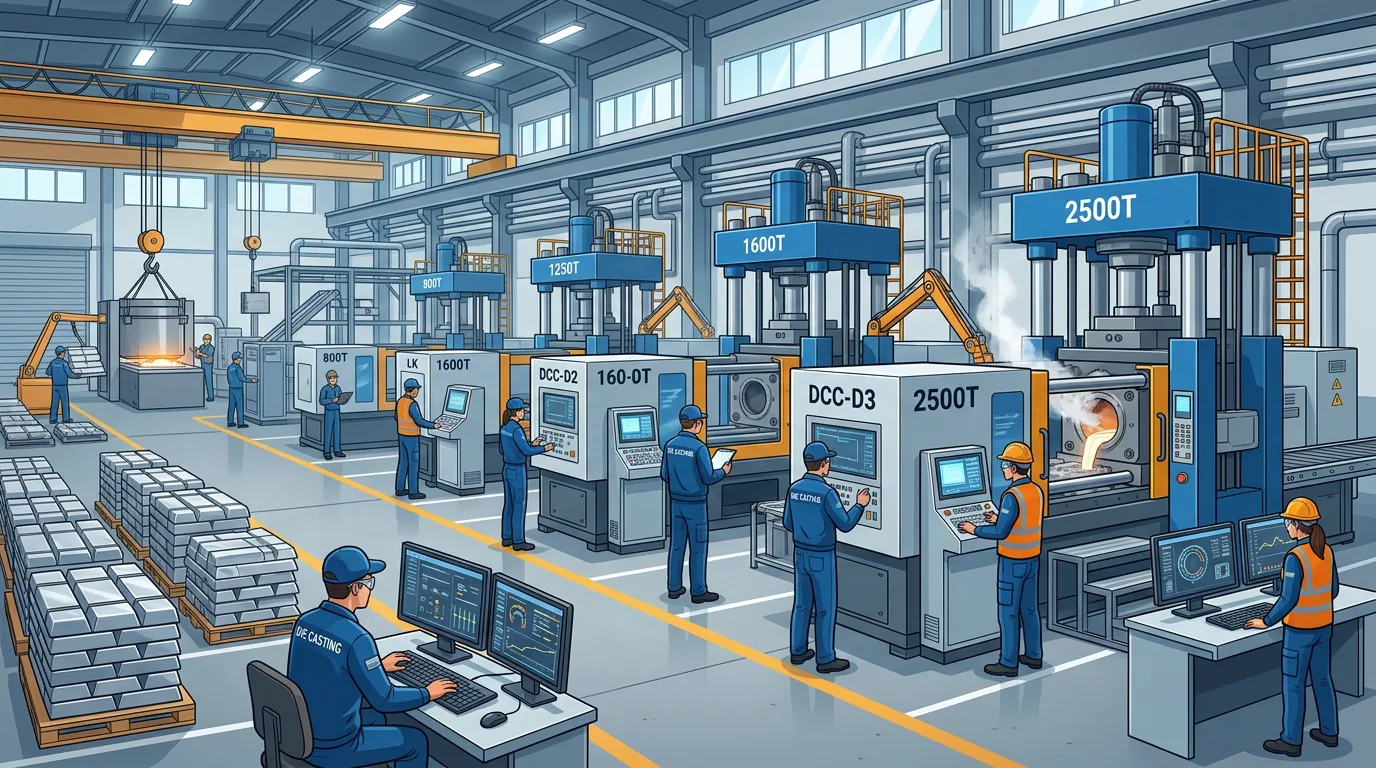
China produces roughly 58% of the world’s aluminum die castings by volume, according to Statista industry reports—yet buyer complaints about porosity defects, tooling ownership disputes, and missed lead times remain stubbornly common. Vetting high pressure die casting manufacturers in China comes down to three verifiable filters: documented process capability (Cpk ≥ 1.33), IATF 16949 or ISO 9001 certification backed by real audit trails, and transparent tooling IP terms. Get these right before pricing enters the conversation. This guide walks through each checkpoint, pulled from first-hand supplier audits across Ningbo, Dongguan, and Kunshan. What High Pressure Die Casting Manufacturers in China Offer High pressure die casting manufacturers China supply roughly 40% of global HPDC output by tonnage, thanks to concentrated tooling clusters in Ningbo, Dongguan, and Kunshan that push mold costs 50–70% below North American equivalents. Expect machine tonnage from 120T for small zinc connectors up to 4,000T+ for EV battery trays, with ADC12, A380, AlSi10MnMg, and Zamak 3/5 as the workhorse alloys. HPDC injects molten metal at 10,000–20,000 psi into a hardened steel die — producing near-net-shape parts with cycle times of 30–90 seconds. The process is defined in detail by Wikipedia’s die casting entry and benchmarked by the North American Die Casting Association. We audited a Ningbo supplier last spring running 12 cold-chamber cells between 800T and 2,500T; their quoted tooling for an ADC12 housing came in at $18,400 versus $62,000 from a Midwest shop — same SPI-A2 texture, same 30k-shot life guarantee. The tradeoff? You manage porosity specs, gating reviews, and CMM reports yourself. For a deeper process primer, see our guide on what HPDC actually involves. Core Capabilities to Evaluate in a Chinese HPDC Supplier Direct answer: A tier-one Chinese HPDC supplier should control five capabilities in-house: machine tonnage from 160T to 3,500T+, tool and die design/manufacturing, CNC post-machining (3- to 5-axis),…
 04/14/2026
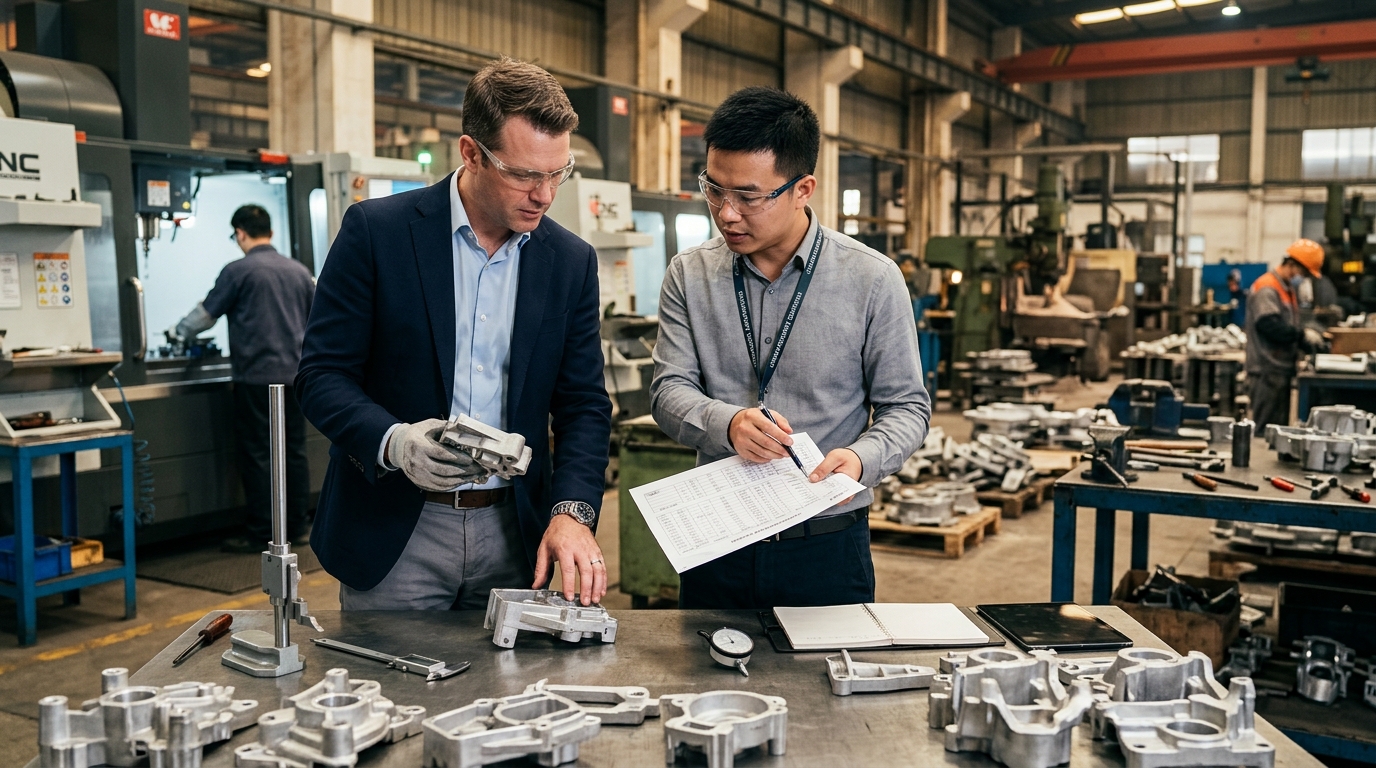
Roughly 58% of aluminum casting defects traced back to Chinese suppliers originate from process control gaps that a proper on-site audit would have caught before the first PO. A rigorous China aluminum foundry audit checklist isn’t paperwork — it’s the single highest-ROI quality gate in your sourcing workflow, filtering out underqualified shops before they cost you six-figure recalls. The checklist below distills what we use during live factory visits in Ningbo, Foshan, and Qingdao. What a China Aluminum Foundry Audit Checklist Actually Covers Why Aluminum Foundry Audits in China Require a Specialized Approach Pre-Audit Preparation and Document Requests Verifying Legal Entity and Export Qualifications Quality Management System and Certification Verification Casting Process Capability Assessment by Method High-Pressure Die Casting Cell Audit Points Gravity and Low-Pressure Die Casting Audit Points Equipment, Tooling, and Maintenance Evaluation Raw Material Control and Alloy Traceability What a China Aluminum Foundry Audit Checklist Actually Covers A China aluminum foundry audit checklist is a structured, on-site evaluation tool that verifies a casting supplier’s capability across nine specific domains: quality management system (QMS), equipment and tooling, raw materials and alloy control, process capability, inspection and metrology, traceability, environmental health and safety (EHS), logistics and export readiness, and commercial/legal standing. Unlike a generic supplier audit, it drills into aluminum-specific failure modes — porosity, cold shuts, dross inclusions, alloy cross-contamination — that generic ISO checklists simply miss. Most buyers walk into a foundry with a 40-line generic template. That’s the problem. A proper aluminum-focused audit runs 180 to 250 line items. We ran a two-day audit at a Ningbo HPDC plant last year using a 214-point version of this checklist, and we caught three issues a standard ISO 9001 review had passed six months earlier: a degassing rotor running 18% below spec RPM, no spectrometer calibration for 11 months, and…
 04/08/2026
Chinese foundries export over $4.2 billion in aluminum castings annually, yet roughly 30% of first-time Western buyers report quality or delivery disputes within their first order cycle, according to industry data from Statista’s foundry market reports. A qualified sourcing agent for aluminum castings China acts as your on-the-ground quality gate, contract enforcer, and technical translator — but only if you vet them correctly. This guide shows you exactly how. What a Sourcing Agent for Aluminum Castings in China Actually Does Why Buyers Use an Agent Instead of Contacting Chinese Foundries Directly Core Services a Qualified Aluminum Casting Agent Should Provide How to Evaluate and Choose the Right Sourcing Agent Fee Structures and What You Should Expect to Pay Common Risks When Sourcing Aluminum Castings from China and How Agents Mitigate Them Step-by-Step Process of Working with a China Sourcing Agent Frequently Asked Questions What a Sourcing Agent for Aluminum Castings in China Actually Does A sourcing agent for aluminum castings China is a local intermediary who turns your 2D drawing or 3D STEP file into delivered parts. They shortlist foundries, audit capabilities on-site, negotiate tooling and piece prices, run PPAP-style quality inspections, and coordinate export logistics — usually for a 5–10% commission or a fixed retainer. Unlike a trading company, a true agent represents you, not the factory. Here’s where buyers get confused. Three models look similar on paper but behave very differently once money moves: Model Who They Represent Typical Markup Best For Sourcing Agent The buyer 5–10% commission (disclosed) Custom aluminum castings, multi-vendor programs Trading Company Itself (resells) 15–30% hidden margin Stock or semi-custom parts Direct Foundry The foundry 0% (but no cross-checks) Buyers with in-house QC in China We audited a gravity-casting program in Ningbo last year where the “agent” was quietly marking parts up 22% and…
 04/01/2026
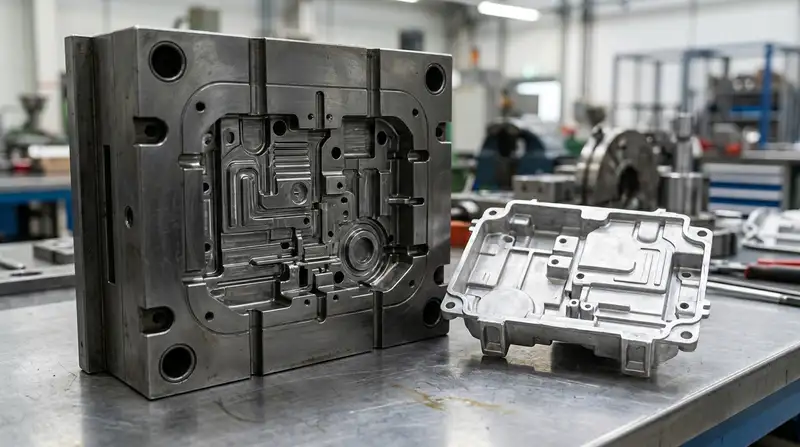
The global die casting market reached $81.3 billion in 2023 and is projected to grow at a 6.8% CAGR through 2030, according to Grand View Research — a clear signal that manufacturers are betting heavily on this process over alternatives like sand casting or CNC machining. Custom die casting services use reusable steel molds (called dies) and high-pressure injection of molten metal to produce complex, dimensionally precise parts at scale, making them the go-to solution for industries ranging from automotive to consumer electronics. This guide breaks down exactly how the process works, which alloys and methods suit different applications, and what separates a reliable die casting partner from one that will cost you months in rework. What Custom Die Casting Services Actually Involve Quick definition: Custom die casting services use reusable steel molds (called dies) to inject molten metal—typically aluminum, zinc, or magnesium alloys—under high pressure, producing precision-engineered components tailored to a client’s exact specifications. That definition sounds simple. The reality is anything but. Unlike standard or catalog casting, where you pick from pre-existing mold geometries, custom die casting services start from scratch: your CAD model, your tolerances, your alloy selection. The die itself is CNC-machined from H13 tool steel and can cost anywhere from $5,000 to $75,000 depending on part complexity, cavity count, and expected production volume. Why does that matter? Because the die is the single biggest upfront investment—and the single biggest determinant of part quality. A well-designed die with proper gate placement, overflow wells, and cooling channels can hold dimensional tolerances as tight as ±0.002 inches. A poorly designed one produces porosity, flash, and scrap rates that quietly destroy your margins. How Custom Differs from Standard Casting According to the Wikipedia overview of die casting, the process accounts for a significant share of all metal castings produced globally, with cycle times as fast as 30 seconds per…
 09/30/2025
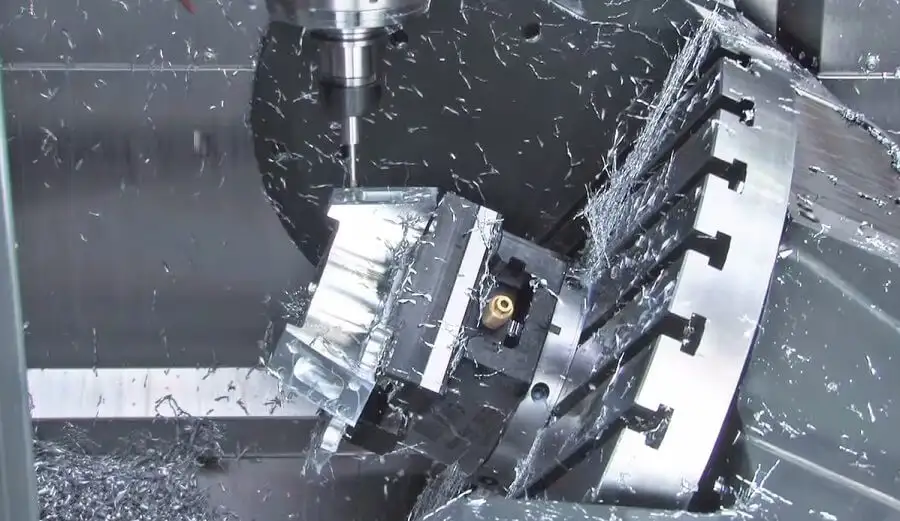
CNC (Computer Numerical Control) technology has drastically changed the landscape of modern manufacturing, making processes faster, more precise, and more efficient. The evolution of CNC has led to advancements in industries ranging from automotive to aerospace and medical devices. In this article, we explore the history of CNC, its development, and its applications in modern industries. Additionally, we’ll showcase how HKX Die Casting has embraced CNC technology to enhance precision and quality in die casting processes. What is CNC Machining? CNC machining is a manufacturing process that uses computer-controlled machines to perform a variety of tasks such as cutting, drilling, milling, and shaping. Unlike traditional manual machining, CNC machines are programmed with specific instructions that allow for higher precision and automation. Advantages of Using CNC Machining At HKX Die Casting, CNC technology plays a crucial role in creating high-precision molds and parts, improving the overall efficiency of our die casting process. CNC History The history of CNC technology is rooted in the development of Numerical Control (NC) machines, which were first used in the late 1940s and early 1950s. These early machines, though groundbreaking, were limited by the manual control systems that operated them. The First CNC Machine The concept of CNC began with the invention of NC machines in the 1940s, driven by the need for automation during World War II. The first CNC machine was developed in the 1950s, with significant contributions from John T. Parsons, who is often regarded as the father of NC. These early machines were mechanical but laid the groundwork for computer-driven systems that followed. Development of CNC Technology Today’s CNC Industry Today, CNC technology is an integral part of manufacturing in nearly every industry, from automotive and aerospace to medical devices and die casting. Modern CNC Machines With continuous advancements in technology, modern…
 09/27/2025
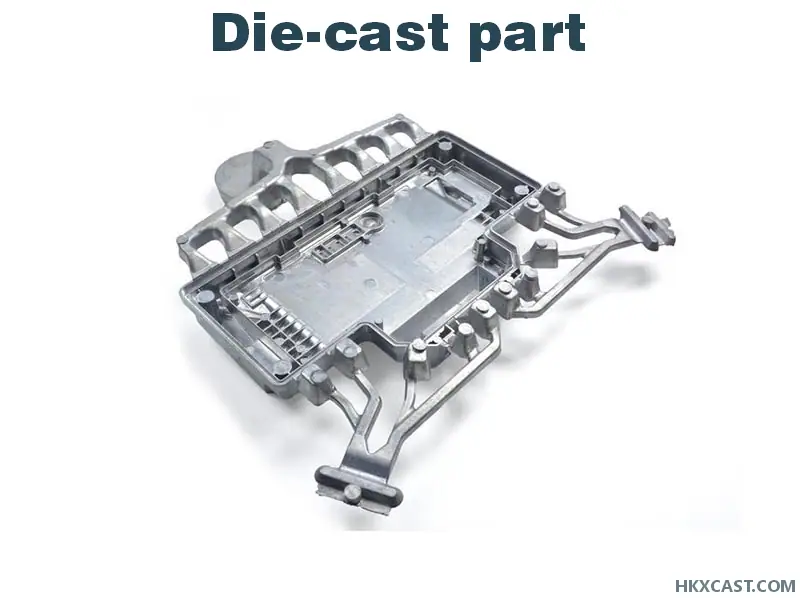
Die casting and investment casting are two of the most widely used metal casting methods in modern manufacturing. While both processes aim to produce accurate and durable parts, they differ significantly in terms of tooling, materials, cost, and production capabilities. In this article, we break down the key differences, advantages, and decision-making factors to help you determine which casting process best suits your project. Die Casting vs. Investment Casting: Key Differences, Pros & Cons Explained 1. IntroductionMetal casting is essential in producing complex parts across various industries, from automotive to aerospace. Choosing the right casting method can directly impact product quality, lead time, and cost efficiency. Among the many techniques available, die casting and investment casting are often compared due to their distinct strengths and capabilities. Understanding how they work—and when to use each—is critical to making an informed decision. 2. What Is Die Casting?Die casting is a high-speed manufacturing process that involves injecting molten metal into hardened steel molds (dies) under high pressure. It’s most commonly used with non-ferrous alloys such as aluminum, zinc, and magnesium. Key features: 3. What Is Investment Casting?Also known as lost wax casting, investment casting involves creating a wax model of the desired part, coating it with ceramic material to form a mold, and then pouring molten metal into the cavity left behind after the wax is melted out. Key features: 4. What Is the Difference Between Die Casting and Investment Casting?The primary difference lies in the tooling and material handling: 5. Side-by-Side Comparison Table Feature Die Casting Investment Casting Mold Type Steel molds (reusable) Ceramic molds (single-use) Suitable Materials Zinc, Aluminum, Magnesium Stainless steel, Brass, Titanium Production Volume High Low to medium Part Complexity Moderate High Tolerances ±0.002″–0.005″ ±0.001″–0.003″ Surface Finish Good Excellent Tooling Cost High upfront Lower upfront Per-Part Cost Low (high…
 09/25/2025
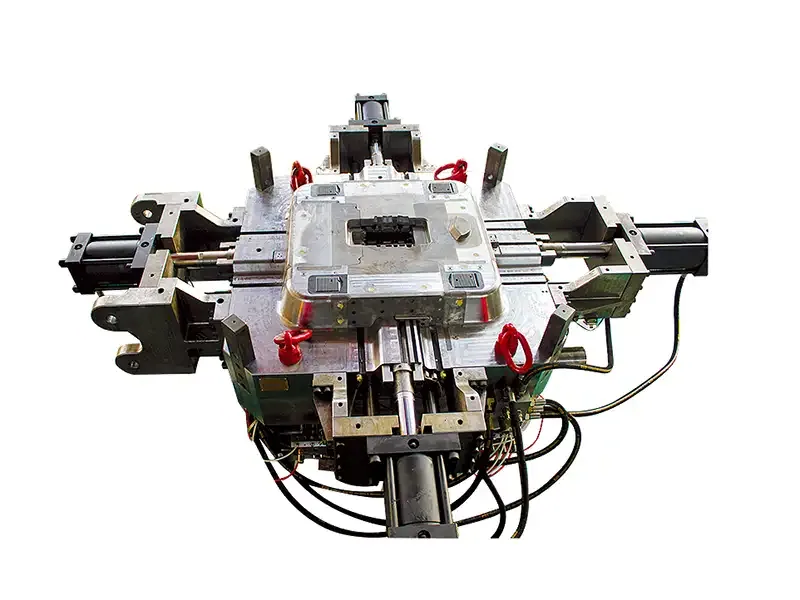
Multi-slide die casting is a specialized form of hot-chamber die casting that uses four or more slides moving in different directions to create complex, high-precision metal parts. Unlike conventional two-plate or three-plate systems, multi-slide die casting enables tooling from multiple axes, allowing for intricate geometries without secondary machining. This technology is ideal for small parts with tight tolerances, commonly used in industries requiring mass production with consistent quality and minimal material waste. die casting mold How Multi-Slide Die Casting Works At the core of the process is a precision die that incorporates multiple moving slides. Each slide contains a tool steel insert that shapes one side of the component. When molten metal—usually zinc or magnesium—is injected into the mold, the slides move simultaneously to lock the cavity, then retract to release the part once solidified. Key process features: Key Advantages of Multi-Slide Die Casting These benefits translate to better ROI and reduced total manufacturing costs over time. Applications and Industries Multi-slide die casting is widely adopted across industries that demand precision, durability, and cost efficiency: Its versatility makes it an ideal solution for OEMs requiring tight specifications and high-volume consistency. Multi-Slide vs Traditional Die Casting Feature Multi-Slide Die Casting Traditional Die Casting Tolerance ±0.001 in ±0.003–0.005 in Part Complexity High Moderate Tooling Cost Higher upfront Lower upfront Cycle Time Faster (2–5 sec) Slower (10–30 sec) Secondary Operations Often unnecessary Frequently required While traditional die casting is suitable for larger and simpler parts, multi-slide excels in producing small, intricate components with minimal post-processing. Considerations for Choosing Multi-Slide Die Casting Before choosing multi-slide die casting, consider the following factors: Environmental and Economic Impact Multi-slide die casting is more sustainable than many traditional metalworking methods: These attributes support both economic savings and ESG (Environmental, Social, and Governance) goals. Conclusion Multi-slide die casting offers…
 09/22/2025
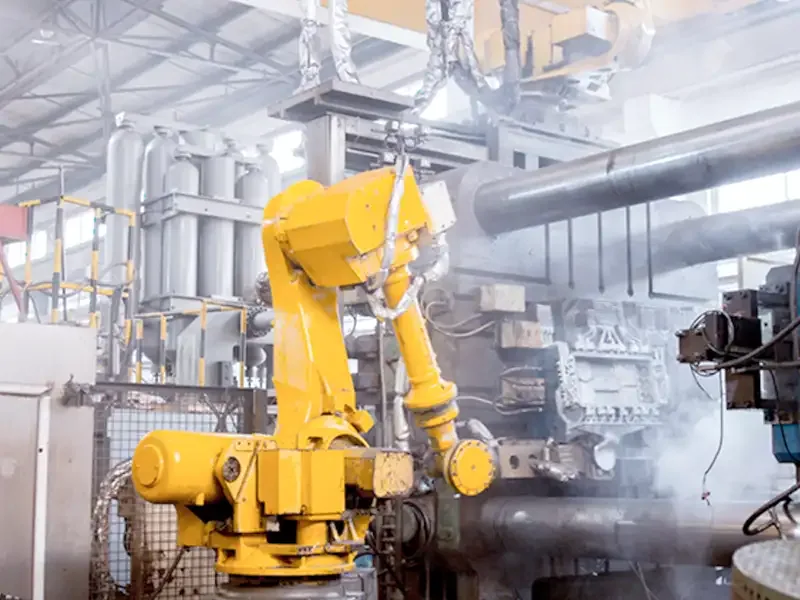
Magnesium die casting has become a prominent manufacturing technology in industries seeking lightweight, high-performance components. As the lightest structural metal, magnesium offers an excellent strength-to-weight ratio, good dimensional stability, and outstanding machinability, making it ideal for applications in automotive, aerospace, electronics, and beyond. This article presents a comprehensive overview of magnesium die casting, including its process, commonly used alloys, material properties, advantages, limitations, applications, and design considerations. 1. What is Magnesium Die Casting? Magnesium die casting is a metal forming process in which molten magnesium alloy is injected under high pressure into a steel mold cavity, where it solidifies into the desired shape. The process combines the light weight and good mechanical performance of magnesium with the speed and precision of die casting. Magnesium is 75% lighter than steel and 33% lighter than aluminum, making it the lightest structural material available. Its excellent castability enables the production of complex, thin-walled, and high-precision components, which is why manufacturers increasingly prefer magnesium die casting over traditional alternatives when weight reduction and efficiency are critical. 2. How Does Magnesium Die Casting Work? The magnesium die casting process involves several key stages: Depending on the production volume and casting size, magnesium die casting is performed using hot chamber machines (suitable for smaller parts with high productivity) or cold chamber machines (for larger parts and more aggressive alloys). Process parameters like injection speed, mold temperature, and alloy composition greatly influence final product quality. 3. What Magnesium Alloys are There in Die Casting? Several magnesium alloys have been developed for die casting, each offering a balance of strength, ductility, corrosion resistance, and cost. Common magnesium alloys include: Selecting the appropriate alloy depends on specific application requirements, such as mechanical loads, environmental exposure, machining, and finishing needs. 4. Properties of Magnesium and Magnesium Alloys in Die Casting…
 09/19/2025
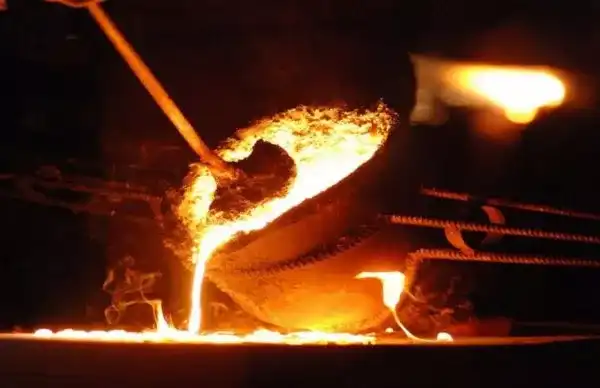
Casting is one of the most ancient yet enduringly relevant manufacturing processes. From producing bronze tools in antiquity to creating high-performance aerospace components today, casting has shaped human civilization and continues to play a pivotal role in modern industry. As a fundamental metal forming method, casting enables the economical production of components with complex geometries, a wide range of materials, and varying sizes — from gram-level precision parts to multi-ton structural components. This article comprehensively explores what casting is, how it works, its various types, materials, advantages, limitations, applications, and its comparison with injection molding, offering engineers and professionals a structured understanding of the process. 1. What is Casting? Casting is a manufacturing process in which a liquid material, most commonly molten metal, is poured into a mold that contains a cavity shaped to the desired component geometry. Upon solidification, the casting is removed and may undergo additional operations such as heat treatment, machining, or surface finishing. Casting is unique in its ability to create complex internal and external shapes in a single operation. Unlike machining, which removes material, or forging, which deforms it under pressure, casting allows manufacturers to achieve intricate details, internal channels, and thin or thick sections economically. This makes it especially important in industries where both performance and design freedom are critical. 2. How Does Casting Work? The casting process involves several essential steps: Process parameters such as pouring temperature, cooling rate, mold design, and alloy composition significantly affect the quality, strength, and dimensional accuracy of the casting. 3. Different Types of Casting Methods Casting can be classified into several methods based on mold material, filling mechanism, and application requirements: 3.1. Sand Casting This traditional process uses bonded sand to form molds, which are cheap and flexible. Sand casting is highly versatile, suitable for small batches…
 09/17/2025
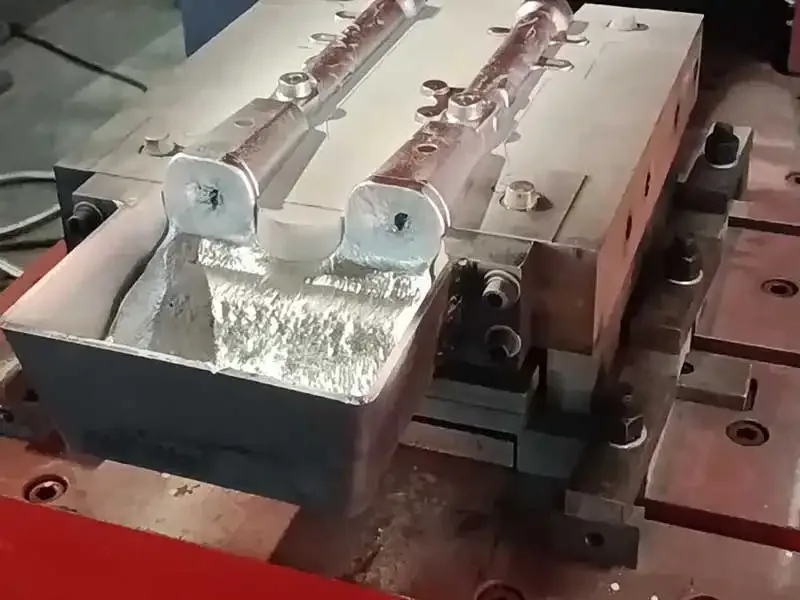
Gravity die casting (GDC) is a permanent mold casting process that utilizes gravity to fill molten metal into a metallic mold cavity. Owing to its ability to produce components with superior mechanical properties, dimensional accuracy, and surface finish compared to sand casting, GDC has become an indispensable manufacturing method in the automotive, aerospace, and machinery industries. This article systematically examines the principles of gravity die casting, the optimization of process parameters, its advantages and limitations, classifications, as well as recent industrial trends and applications, providing engineers and researchers with a comprehensive reference. Fundamentals of Gravity Die Casting What is Gravity Die Casting? Gravity die casting is a permanent mold metal casting process in which molten metal is poured into a metallic mold and fills the cavity entirely under the influence of gravity, without the application of external pressure. It is also referred to as permanent mold casting, distinguishing it from expendable mold methods such as sand casting and from forced-fill techniques such as high-pressure die casting. In this process, the mold—fabricated from high-temperature-resistant steel or cast iron—is reusable and precisely machined to the desired geometry. The molten metal, typically aluminum, magnesium, or copper-based alloys, is introduced into the mold either manually or via controlled pouring systems. After filling, the metal solidifies within the mold and forms a dense, fine-grained structure owing to the rapid heat extraction provided by the metallic surfaces. The inherent simplicity of relying on gravity to fill the mold minimizes turbulence and entrapped gas, resulting in improved mechanical properties and dimensional accuracy of the casting. This makes gravity die casting particularly suited for medium- to high-volume production of components where strength, surface finish, and consistency are critical. Basic Principles In gravity die casting, molten metal is poured into a preheated metallic mold under the action of gravity….