A413 (AlSi12): Pressure-Tight Thin-Wall Castings
Some parts cannot leak. Think hydraulic covers, pressurized housings, and thin electronic shells that must seal for life. For those jobs, A413 aluminum alloy is a specialist. A413 is a near-eutectic Al-Si grade with about 12 percent silicon and almost no copper. That chemistry gives it two gifts: outstanding fluidity and excellent pressure tightness. It fills thin walls that starve other alloys and holds a seal under pressure. The trade-off is modest strength and tougher machining. This guide explains how A413 works, where it fits, and how to design pressure-tight thin-wall parts that pass leak testing the first time.
Key Takeaways
- A413 aluminum alloy is a near-eutectic Al-Si grade built for thin walls and pressure tightness.
- A silicon level near 12 percent lowers the melting point and maximizes fluidity.
- Low copper gives A413 good corrosion resistance and stable sealing over time.
- Strength and hardness are modest, so A413 suits covers, housings, and fittings, not heavy loads.
- Hard silicon particles raise machining cost, so plan inserts and feeds around them.
Why Eutectic Silicon Fills Thin Walls
Aluminum and silicon meet at a eutectic point near 12 percent silicon. At that point the alloy melts at its lowest temperature, near 577 degrees Celsius. A lower melting point means the metal stays liquid longer during the shot. Long enough, in fact, to reach the far corners of a thin cavity.
Fluidity is the payoff. A413 flows into 0.8 to 1.2 mm walls that would freeze short in a higher-silicon or high-copper grade. That is why it suits covers with large thin panels and fine ribs. The metal races to the edges before it solidifies.
Better fill also means fewer cold shuts and less trapped gas. Fewer fill defects mean fewer leak paths. When you cast a part that must hold pressure, that single advantage often decides the alloy choice on its own.
Thin walls also cut weight and cost. Less metal per part means a lighter box and a faster cycle. A cooler, thinner section solidifies sooner, so the die opens earlier. For high-volume covers, those seconds add up to real savings over a program.
A413 Aluminum Alloy: Properties at a Glance
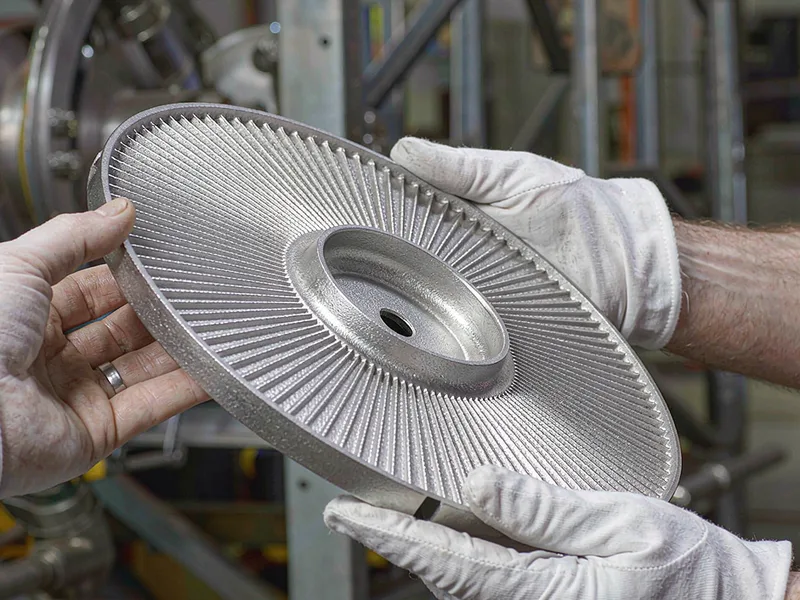
The table compares A413 with a general-purpose grade on the properties that matter for pressure-tight work. Values are typical for as-cast die castings. Your results vary with wall thickness and process control.
| Property | A413 (AlSi12) | A380 |
|---|---|---|
| Silicon content | 11.0–13.0% | 7.5–9.5% |
| Copper content | ≤1.0% | 3.0–4.0% |
| Fluidity | Excellent | Very good |
| Pressure tightness | Excellent | Good |
| Tensile strength | ~295 MPa | ~324 MPa |
| Yield strength | ~145 MPa | ~160 MPa |
| Hardness | ~80 HB | ~80 HB |
| Machinability | Fair | Very good |
Note the pattern. A413 trades tensile strength for fill and sealing. It gives up roughly 30 MPa of strength against A380. In return it fills thin walls more reliably and holds pressure better. For a cover or housing, that is a fair bargain.
Hardness stays competitive because silicon itself is hard. The alloy wears well and resists galling. That hardness is also why cutters struggle, a point we return to later.
Thermal performance adds another angle. A413 conducts heat well, near 120 watts per meter-kelvin. That helps covers that sit over motors, drivers, or sensors. The alloy pulls heat away and keeps the electronics inside within their limits. For sealed housings, that cooling path is a quiet bonus.
Designing Pressure-Tight Thin-Wall Parts
Uniform walls do the heavy lifting. A steady 1.2 mm section solidifies evenly and avoids the hot spots that leak. When you must thicken a feature, taper it. A gentle taper over two wall thicknesses keeps metal feeding and blocks shrink voids.
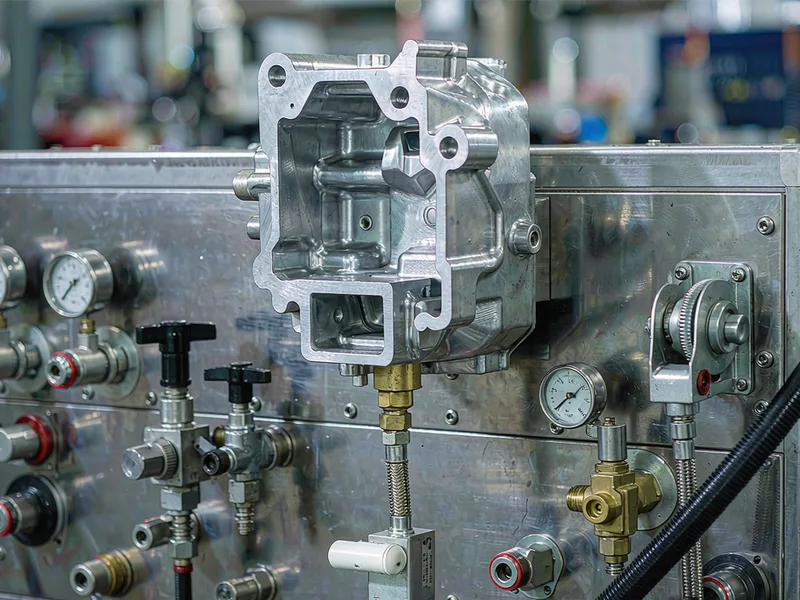
Gate placement decides where leaks happen. Gates should feed the thickest sections and the sealing faces first. Keep weld-line locations off any surface that holds pressure. If two flow fronts meet on a seal face, the cold shut becomes the leak.
Draft and corner design support the same goal. Add reliable draft on every wall so parts eject cleanly without drag marks. Round inside corners to keep metal flowing and to avoid hot spots. Small changes at the drawing stage prevent the fill defects that turn into failed leak tests later.
Venting matters just as much. Trapped gas creates porosity, and porosity creates leaks. Add generous vents and overflows at the last points to fill. An A413 aluminum alloy part with good venting seals far better than the same part with poor venting. Process and design work together here.
Machining, Finishing, and Limits
Machining A413 takes more care than A380. The hard silicon particles abrade cutting edges and wear inserts fast. Use sharp carbide or diamond tooling with positive rake angles. Keep feeds steady so the tool cuts instead of rubbing.
Finishing is straightforward. A413 takes paint, powder coat, and most conversion coatings well. Its low copper also supports good corrosion resistance and even helps with welding. Casting repairs by welding hold up better here than in high-copper grades.
Sourcing is simple. A413 is a standard AA grade, so ingot is widely available and well documented. Suppliers list it against the same specs worldwide, which keeps chemistry consistent across plants. That consistency helps when a program runs in more than one region.
Keep quality checks tied to the sealing function. Measure wall thickness on first articles and recheck after any tooling repair. Track leak test results as a trend, not a yes-or-no gate. Trends reveal drift early, before a batch of covers fails. Small habits like these protect the pressure tightness that made you pick this grade.
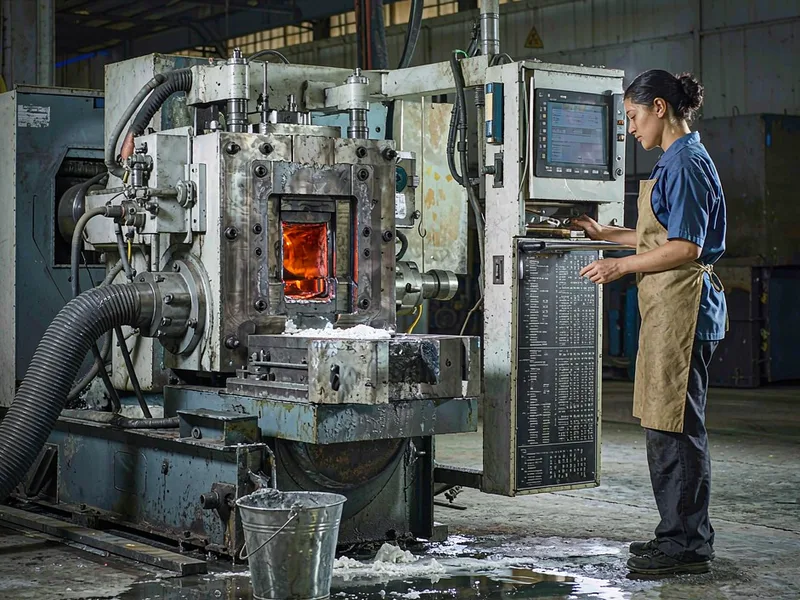
Know the limits. A413 is not a structural alloy. It has low yield strength, so it will not carry heavy loads or take high torque. Keep threads shallow and back them with steel inserts where loads run high. For pressure and thin walls, A413 is the right answer. For structure, choose a stronger grade.
Inspection closes the loop. Match your checking plan to the risk. Pressure-tight parts deserve leak testing plus X-ray on the sealing faces. A quick porosity check on the gate area catches trouble early. Catching a leak at the cell costs far less than catching it at the customer.
External Links
- North American Die Casting Association (NADCA) — design and alloy guidance for thin-wall and pressure-tight die castings.
- ASTM B85 — standard specification for aluminum-alloy die castings, covering A413 chemistry and properties.
- International Organization for Standardization (ISO) — source of the ISO 8062 tolerance system used for cast thin-wall and sealing features.
FAQ
What is A413 best for?
A413 suits pressure-tight and thin-wall parts. Common uses include hydraulic covers, pump housings, instrument cases, and thin electronic shells. Choose it when fill and sealing matter more than strength.
Why is A413 so good at pressure tightness?
Its near-eutectic silicon level gives excellent fluidity and short freezing range. The metal fills thin walls cleanly and traps less gas. Fewer fill defects mean fewer leak paths under pressure.
Is A413 aluminum alloy strong?
No, it is a low-strength grade. Tensile strength sits near 295 MPa and yield near 145 MPa. Use it for covers and housings, not structural brackets or high-torque joints.
How thin can A413 aluminum alloy walls go?
With good die design, walls of 0.8 to 1.2 mm are realistic on small parts. Longer flow paths need thicker sections. Always check flow length against fill before you set the wall.
Does A413 machine well?
It machines fairly, not easily. Hard silicon particles wear tools, so use sharp carbide or diamond inserts with steady feeds. Plan for more tool changes than you would need on A380.