Recycled vs Primary Aluminum in Die Casting: Quality & Carbon
Most of the aluminum cast today has lived a previous life. Automotive parts, window frames, and beverage cans return as scrap, remelt, and come back as new castings. That loop saves enormous energy, but it also changes the metal in ways a buyer should understand. Iron creeps upward, gas content shifts, and the carbon story changes completely. This guide compares recycled aluminum die casting metal against primary alloy on quality and carbon. We show where secondary metal comes from, what changes in the melt, how much carbon each route saves, and how we control quality so the recycled share never puts your parts at risk. By the end, you can choose the right mix for your program with confidence.
Key Takeaways
- Recycled aluminum cuts carbon by roughly 95 percent versus primary smelting.
- Quality risk sits in iron and trace elements, not in the recycling itself.
- Primary metal is the dilution tool that keeps recycled chemistry in window.
- Structural and thin-wall parts need tighter trace element limits than brackets do.
- Ask for heat-level chemistry and spectrometer data, whatever the mix.
Where Recycled Metal Comes From
Secondary aluminum starts as scrap, and scrap comes in grades. Clean, known returns from our own foundry top the list. Gates, runners, and rejects go straight back into the furnace with almost no quality loss. This closed-loop scrap is the safest recycled feed there is.
Next comes purchased scrap from outside. Old automotive parts, machining chips, and cast housings arrive baled and graded. These carry more uncertainty. Paint, oil, iron inserts, and mixed alloys all ride along unless the sorting is good.
Post-consumer scrap, such as mixed building products, sits at the far end. It is the cheapest and the most contaminated. Good melt shops buy it knowingly and blend it down rather than run it neat. The grade of scrap you start with sets the ceiling on the quality you can deliver.
What Changes in the Metal
Recycling does not damage aluminum. The metal itself survives remelting without losing its core properties. What changes is the company it keeps. Every trip through the loop adds iron, and some elements such as copper, zinc, and nickel accumulate because they are hard to remove.
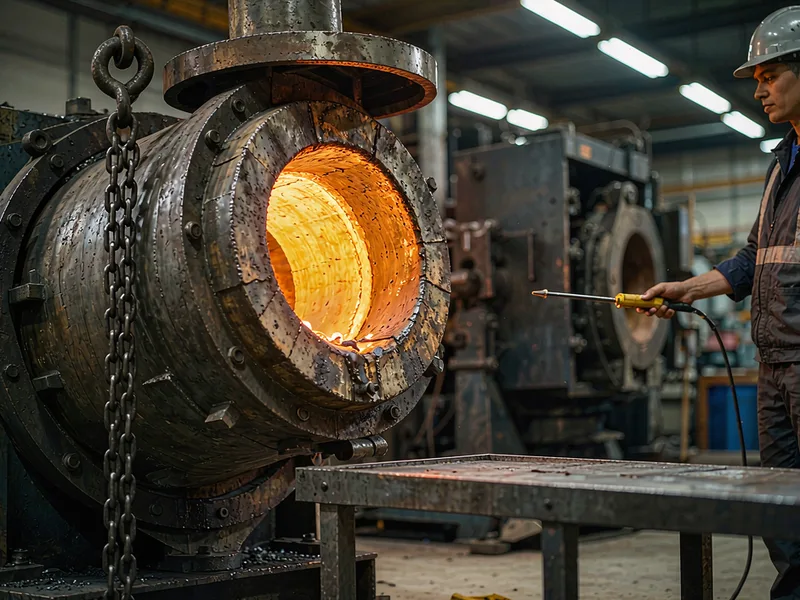
The table below shows the practical differences we manage between primary and recycled charge material for a typical A380-type casting alloy.
| Property | Primary-based charge | Recycled charge | Impact on castings |
|---|---|---|---|
| Iron content | 0.15–0.4% | 0.8–1.3% | Die protection vs lower ductility |
| Trace elements (Ni, Zn, Pb) | Low, tightly set | Higher, drifting | Corrosion and machining limits |
| Dissolved gas after treatment | Low | Low, with good degassing | Porosity risk if neglected |
| Carbon, kg CO2e per tonne | ~16–18 (grid dependent) | ~0.5–0.7 | Scope 3 reporting for buyers |
| Relative metal cost | Index 100 | Index 70–85 | Direct piece-price effect |
*Carbon figures are indicative global averages. Hydropower-based primary can be far lower; check your supplier’s certified data.
None of these differences are hidden once you measure them. A spectrometer reads the whole story in two minutes. The mistake is assuming recycled means off-spec, or assuming it means nothing changed. Both are wrong.
The Carbon Case in Plain Numbers
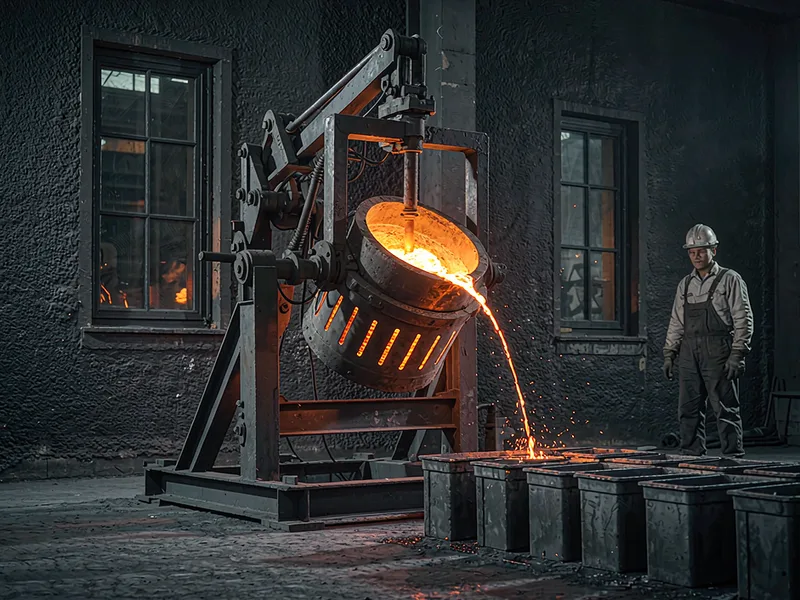
Making primary aluminum is energy hungry. Smelting one tonne from bauxite emits roughly 16 to 18 tonnes of CO2e on a typical global grid, counting both the process and the power. Remelting scrap needs only about 5 percent of that energy, and emissions drop to roughly half a tonne per tonne of metal.
That gap is why automotive buyers now ask for recycled content in their quotes. For a die caster, the recycled share is one of the few levers that cuts carbon by an order of magnitude without touching the part design.
Be careful with claims, though. Ask for certified data, not brochures. A serious supplier can show the recycled percentage by mass balance and the emission factor behind it. We quote both the recycled share and the carbon number per tonne so your scope 3 report rests on real figures.
How We Control Quality on a Recycled Charge
Quality control starts before the melt. We grade incoming scrap, inspect it, and keep contaminated material out of the good pile. Chips are centrifuged to remove cutting fluid. Baled returns are checked for iron inserts and mixed alloys.
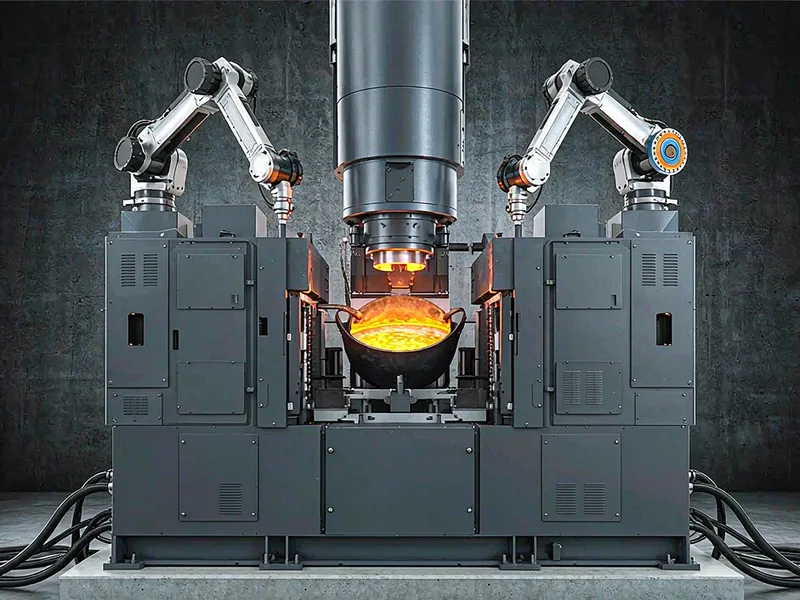
In the furnace, the work is blending and measuring. High-iron scrap is diluted with primary ingot or clean returns until the chemistry sits mid-window. Every charge gets a spectrometer reading, and gas content is checked with a density test before metal leaves the furnace.
Degassing and filtration finish the job. Rotating degasser units strip hydrogen, and ceramic foam filters catch oxide films and inclusions. Done well, a recycled aluminum die casting melt fills thin walls and passes leak tests just like a primary-based one. Done casually, it shows up as porosity weeks later.
Choosing the Right Mix for Your Part
The right answer depends on what the part does. A mounting bracket or a gearbox housing tolerates the higher iron of a recycled charge very well. The die loves it, the price is lower, and nothing in service notices.
Thin-wall electronics housings, pressure-tight parts, and structural components need more care. There you want tighter trace element limits, often more primary in the blend, and full heat traceability. The casting process stays the same; the chemistry window shrinks.
Many programs land in the middle. A common setup blends closed-loop returns with a primary top-up, holding iron below about 1.1 percent. That mix keeps die life long, keeps ductility acceptable, and keeps the carbon story strong.
Tell us the duty of the part and we will recommend the blend. We will also show you the chemistry and carbon data behind it, heat by heat, so your customer sees proof instead of promises. That is how recycled aluminum die casting supply should work.
External Links
- North American Die Casting Association (NADCA) — industry guidance on alloy selection, recycled content, and melting practice for die casting.
- ASTM B85 — chemistry and mechanical limits for aluminum-alloy die castings, the baseline for judging any recycled blend.
- ASM International — reference data on how iron and trace elements affect aluminum alloy properties.
FAQ
Is recycled aluminum die casting quality lower than primary?
Not automatically. The metal properties depend on chemistry and melt treatment, not on where the atoms came from. With graded scrap, dilution, degassing, and spectrometer checks, recycled charge meets the same spec as primary-based metal.
How much carbon does recycled aluminum save?
Roughly 95 percent. Primary smelting emits about 16 to 18 tonnes of CO2e per tonne on an average grid, while remelting scrap emits around half a tonne. Certified supplier data gives the exact figure for your report.
Why does iron build up in recycled metal?
Scrap picks up iron from inserts, blasting media, tooling wear, and mixed alloys. Most of it dissolves in the melt and cannot be skimmed off. Dilution with primary or clean returns is the practical fix.
Which parts should use more primary aluminum?
Pressure-tight parts, thin-wall housings, and structural components benefit from lower iron and tighter trace limits. Brackets, covers, and general housings run well on a high recycled blend.
What documentation should I ask for?
Request heat-level chemistry from a spectrometer, the recycled content percentage with its mass-balance basis, and carbon data per tonne. These three documents turn a sustainability claim into evidence.